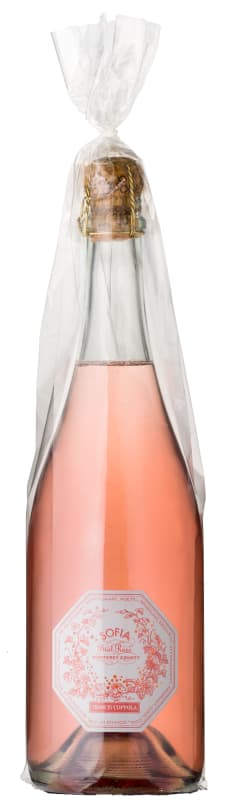
Francis Ford Coppola Sofia Brut Rose Front Bottle Shot
Francis Ford Coppola Sofia Brut Rose Front Bottle Shot Francis Ford Coppola Sofia Brut Rose Front Label

Winemaker Notes

Styled after the Sparkling Rosés in France, Sofia Brut Rosé offers delicate effervescence, crisp natural acidity, and a light creamy texture. Aromas of raspberry, black currant and cherry. Flavors of raspberry and cherry. Fine bubbles with a persistent mousse, velvety texture and smooth body on the finish.

Blend: 66% Pinot Noir, 22% Chardonnay, 12% Grenache
Francis Ford Coppola Winery

Francis Ford Coppola Winery

View all products
Francis Ford Coppola Winery, undefined
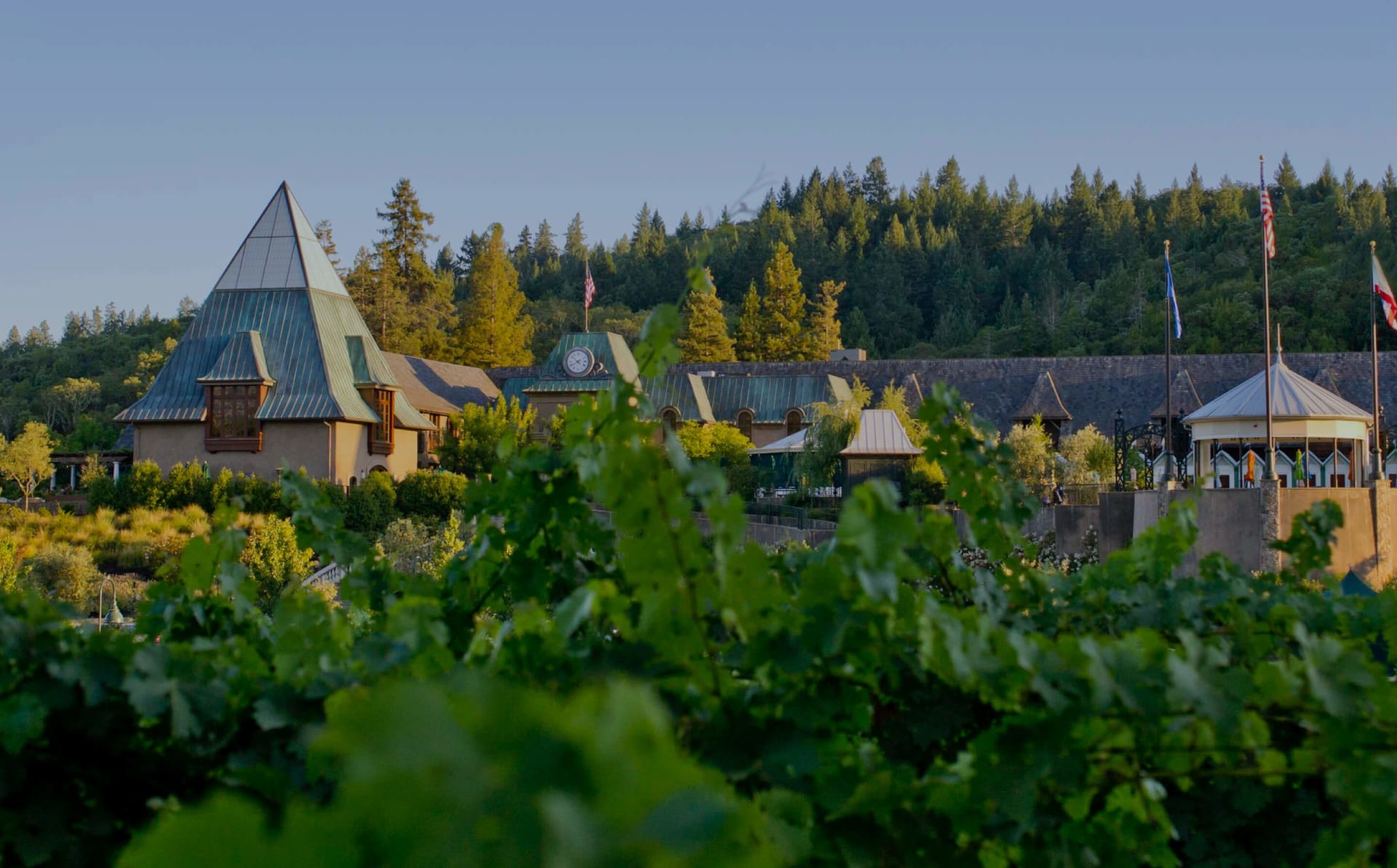
Francis Ford Coppola Winery Winery Video

Francis Ford Coppola Winery, re-opened in July 2010, is the latest venture from Francis Ford Coppola, whose passion for wine, food and adventure is nowhere more evident than in this new production – a winery resort located in the heart of Alexander Valley, California. Among the many attractions at the property, Francis Ford Coppola Winery features a wine tasting bar, two restaurants, swimming pools, a movie gallery, a performing arts pavilion and a park area with game tables and bocce courts.

Francis puts it best, saying the winery is meant to be "a wine wonderland, a park of pleasure where people of all ages can enjoy all the best things in life – food, wine, music, dancing, games, swimming and performances of all types. A place to celebrate the love of life."

Image for Sparkling Rosé Champagne, Prosecco & More content section

Sparkling Rosé

Champagne, Prosecco & More

View all products

What are the different types of sparkling rosé wine?

Rosé sparkling wines like Champagne, Prosecco, Cava, and others make a fun and festive alternative to regular bubbles—but don’t snub these as not as important as their clear counterparts. Rosé Champagnes (i.e., those coming from the Champagne region of France) are made in the same basic way as regular Champagne, from the same grapes and the same region. Most other regions where sparkling wine is produced, and where red grape varieties also grow, also make a rosé version.

How is sparkling rosé wine made?

There are two main methods to make rosé sparkling wine. Typically, either white wine is blended with red wine to make a rosé base wine, or only red grapes are used but spend a short period of time on their skins (maceration) to make rosé colored juice before pressing and fermentation. In either case the base wine goes through a second fermentation (the one that makes the bubbles) through any of the various sparkling wine making methods.

What gives rosé Champagne and sparkling wine their color and bubbles?

The bubbles in sparkling wine are formed when the base wine undergoes a secondary fermentation, which traps carbon dioxide inside the bottle or fermentation vessel. During this stage, the yeast cells can absorb some of the wine’s color but for the most part, the pink hue remains.

How do you serve rosé sparkling wine?

Treat rosé sparkling wine as you would treat any Champagne, Prosecco, Cava, and other sparkling wine of comparable quality. For storing in any long-term sense, these should be kept at cellar temperature, about 55F. For serving, cool to about 40F to 50F. As for drinking, the best glasses have a stem and a flute or tulip shape to allow the bead (bubbles) and beautiful rosé hue to show.

How long do rosé Champagne and sparkling wine last?

Most rosé versions of Prosecco, Champagne, Cava or others around the “$20 and under” price point are intended for early consumption. Those made using the traditional method with extended cellar time before release (e.g., Champagne or Crémant) can typically improve with age. If you are unsure, definitely consult our Customer Care team for guidance.

Image for Monterey Central Coast, California content section

Monterey

Central Coast, California

View all products

A geographic and climatic paradise for grape vines, Monterey is a part of the greater Central Coast AVA and contains within it five smaller sub-appellations, including Arroyo Seco, San Lucas, San Bernabe, Hames Valley and the famous Santa Lucia Highlands. The climate is relatively warm but tempered by cool, coastal winds, allowing the regions in Monterey County an exceptionally long growing season. Bud break often happens two weeks sooner and harvest tends to be two weeks later compared to other surrounding regions.

Monterey’s coastal side, where the cooling ocean fog allows grapes to develop a perfect sugar-acid balance, excels in the production of Chardonnay, Pinot Noir and Riesling. Warmer, inland subzones are home to fleshy, concentrated and full-bodied reds like Cabernet Sauvignon, Merlot and Zinfandel.

Chardonnay, covering about 40% of vineyard acreage, is the most widely planted grape in all of Monterey County.

WAL377167_0 Item# 955579