
Winemaker Notes
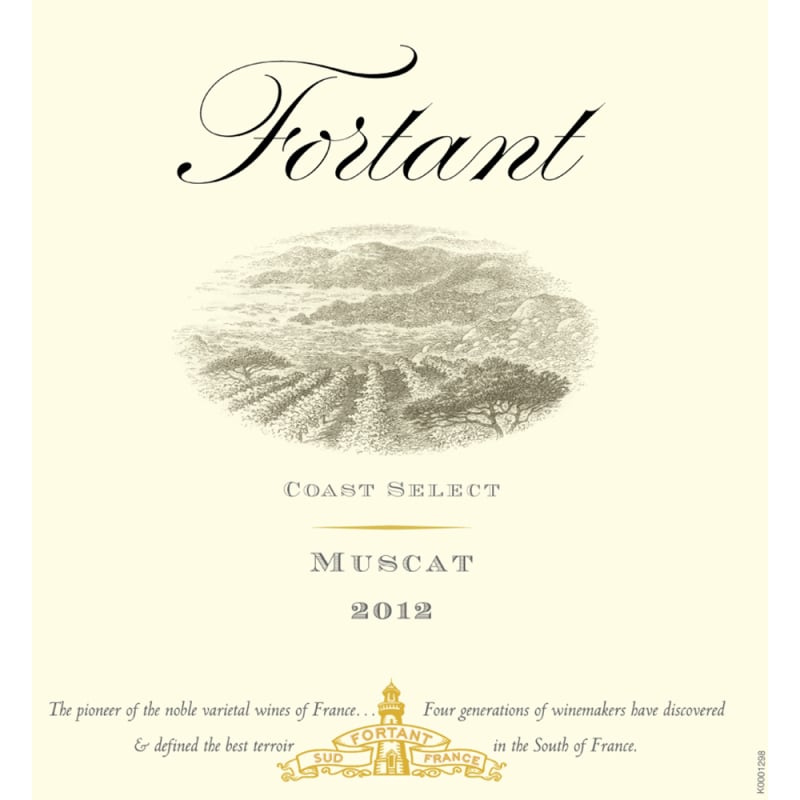
This wine is saffron yellow in color and features an explosive nose redolent of litchi and rose. Round and delectable on the palate with lovely tropical fruit flavors and a long, soft, smooth finish.


While Muscat comes in a wide range of styles from dry to sweet, still to sparkling and even fortified, it's safe to say it is always alluringly aromatic and delightful. The two most important versions are the noble, Muscat Blanc à Petits Grains, making wines of considerable quality and Muscat of Alexandria, thought to be a progeny of the former. Somm Secret—Pliny the Elder wrote in the 13th century of a sweet, perfumed grape variety so attractive to bees that he referred to it as uva apiana, or “grape of the bees.” Most likely, he was describing Muscat.

A catchall term for the area surrounding the Languedoc and Roussillon, Pays d’Oc is the most important IGP (Indication Géographique Protégée) in France, producing 85% of this country’s wine under the IGP designation. (IGP indicates wine of good quality, not otherwise elevated to the Appellation d'Origine Contrôlée (AOC) status.)
The near perfect Mediterranean climate combined with dry, cool winds from the north, optimal soils, altitudes and exposures make Pays d’Oc an ideal wine growing region. Single varietal wines and blends are possible here and while many types of grapes do well in Pays d’Oc, Chardonnay, Pinot Noir, Grenache and Cinsault are among the most common.