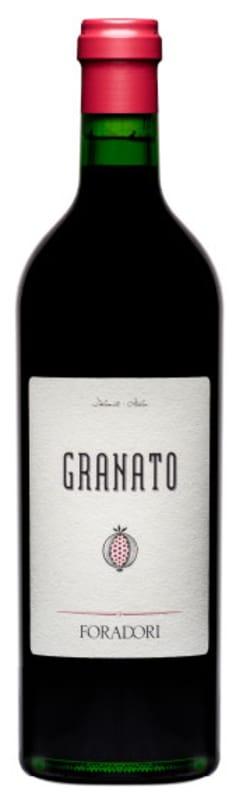


Winemaker Notes
Granato evolved over the decades, as did the farming--from conventional to organic to biodynamic--and the winemaking--from extractive techniques and heavy new-oaking to a lighthanded, terroir-focused approach.
Professional Ratings
-
James Suckling
Dark purple color, with aromas of blackcurrants and earthy clay minerality The palate is firm but refined, with a full body, lifted acidity and nice tension in the finish, carrying the fruit flavors. From organically and biodynamically grown grapes with Demeter certification. Drink or hold.
-
Wine Spectator
This fluid, seamless red shows depth, definition and vivid presence, offering pureed black cherry, black plum and blueberry fruit, with olive tapenade and mineral notes, plus pretty violet, marjoram, anise, white pepper and paprika aromatics. There's a plush chalkiness to the texture, and sculpted tannins firm the long, lively finish. Teroldego. Drink now through 2040.
-
Decanter
Old-vine pergola-trained Teroldego from three vineyards, vinified in open-top wood vats and aged for one year in small oak and one year in large oak vessels. Vertical and with lovely sapidity, it has fine structure with intense, dark cherry fruit, some amaro and cola, black pepper, and herbal touches. Lovely.
-
Vinous
Moody, earthy, savory and intense, the 2022 Teroldego Granato demands the taster's attention as it grumbles up with a dark mix of woodland berries, grilled herbs, ash and hints of animal musk. This sweeps across the palate, more energetic and spry than its bouquet would suggest, with a tart core of blackberry and sour cherry propelled by brisk acidity. The 2022 possesses sweet tannins, coming across as youthful and structured but still approachable. I expect this to mature beautifully over the medium term.


Beyond the usual suspects, there are hundreds of red grape varieties grown throughout the world. Some are indigenous specialties capable of producing excellent single varietal wines, while others are better suited for use as blending grapes. Each has its own distinct viticultural characteristics, as well as aroma and flavor profiles, offering much to be discovered by the curious wine lover. In particular, Portugal and Italy are known for having a multitude of unique varieties but they can really be found in any region.
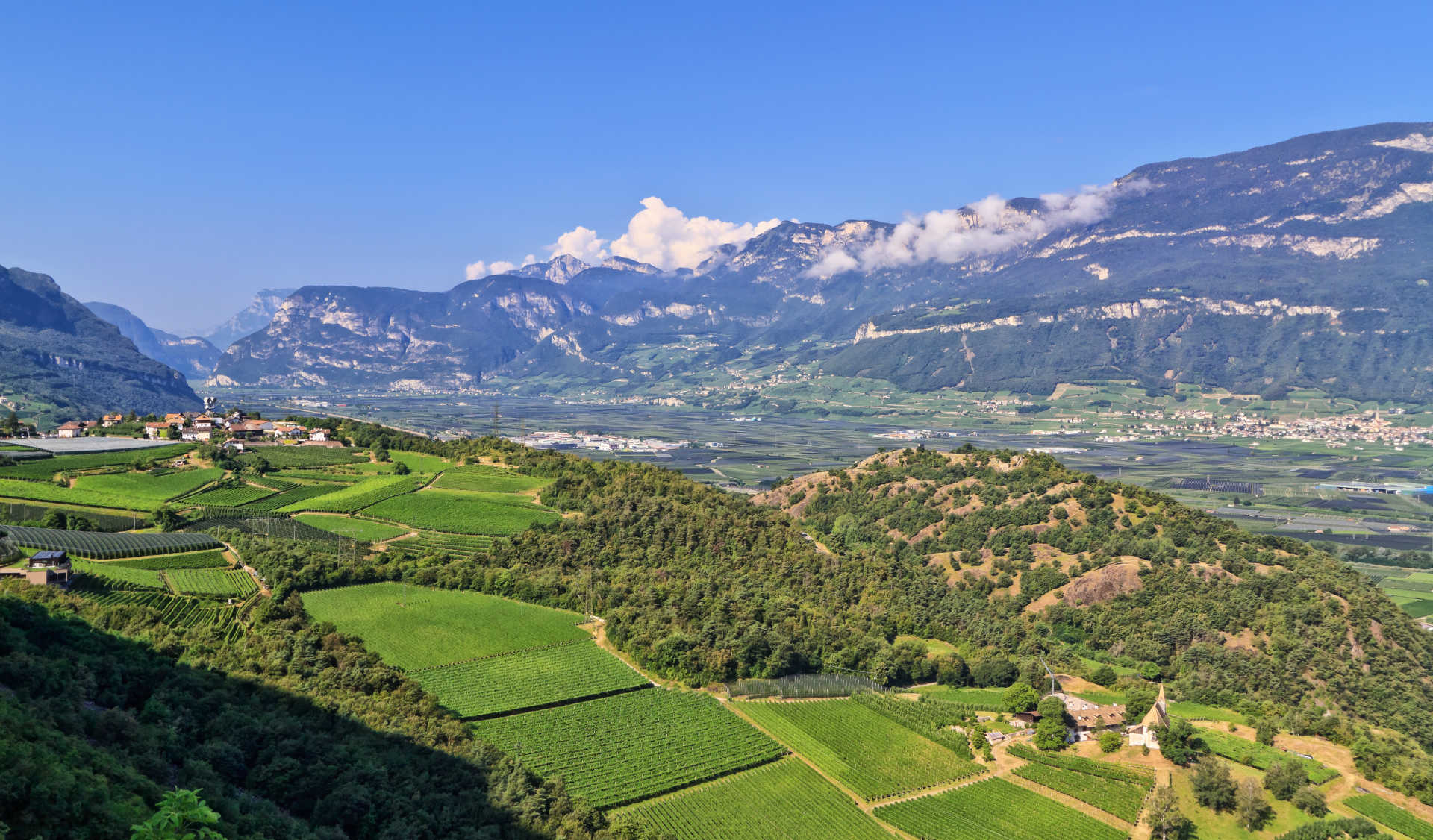
A mountainous northern Italian region heavily influenced by German culture, Trentino-Alto Adige is actually made up of two separate but similar regions: Alto Adige and Trentino.
Trentino, the southern half, is primarily Italian-speaking and largely responsible for the production of non-native, international grapes. There is a significant quantity of Chardonnay, Pinot Grigio and Merlot produced. But Trentino's native and most unique red variety, Teroldego, while still rare, is gaining popularity. It produces a deeply colored red wine rich in wild blackberry, herb, coffee and cocoa.
The rugged terrain of German-speaking Alto Adige (also referred to as Südtirol) focuses on small-scale viticulture, with great value placed on local varieties—though international varieties have been widely planted since the 1800s. Sheltered by the Alps from harsh northerly winds, many of the best vineyards are at extreme altitude but on steep slopes to increase sunlight exposure.
Dominant red varieties include the bold, herbaceous Lagrein and delicate, strawberry-kissed, Schiava, in addition to some Pinot Nero.
The primary white grapes are Pinot grigio, Gewürztraminer, Chardonnay and Pinot blanc, as well as smaller plantings of Sauvignon blanc, Müller Thurgau. These tend to be bright and refreshing with crisp acidity and just the right amount of texture. Some of the highest quality Pinot grigio in Italy is made here.