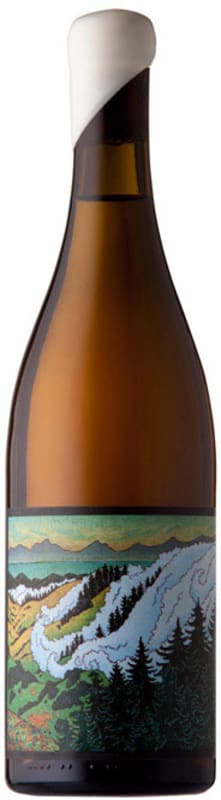


Winemaker Notes


Unquestionably one of the most diverse grape varieties, Chenin Blanc can do it all. It shines in every style from bone dry to unctuously sweet, oaked or unoaked, still or sparkling and even as the base for fortified wines and spirits. Perhaps Chenin Blanc’s greatest asset is its ever-present acidity, maintained even under warm growing conditions. Somm Secret—Landing in South Africa in the mid 1800s, today the country has double the acreage of Chenin Blanc planted compared to France. There is also a new wave of dedicated producers committed to restoring old Chenin vines.

As the lower part of the greater Sierra Foothills appellation, Amador is roughly a plateau whose vineyards grow at 1,200 to 2,000 feet in elevation. It is 100 miles east of both San Francisco and Napa Valley. Most of its wineries are in the oak-studded rolling hillsides of Shenandoah Valley or east in Fiddletown, where elevations are slightly higher.
The Sierra Foothills growing area was among the largest wine producers in the state during the gold rush of the late 1800s. The local wine industry enjoyed great success until just after the turn of the century when fortune-seekers moved elsewhere and its population diminished. With Prohibition, winemaking was totally abandoned, along with its vineyards. But some of these, especially Zinfandel, still remain and are the treasure chest of the Sierra Foothills as we know them.
Most Amador vines are planted in volcanic soils derived primarily from sandy clay loam and decomposed granite. Summer days are hot but nighttime temperatures typically drop 30 degrees and the humidity is low, making this an ideal environment for grape growing. Because there is adequate rain throughout the year and even snow in the winter, dry farming is possible.