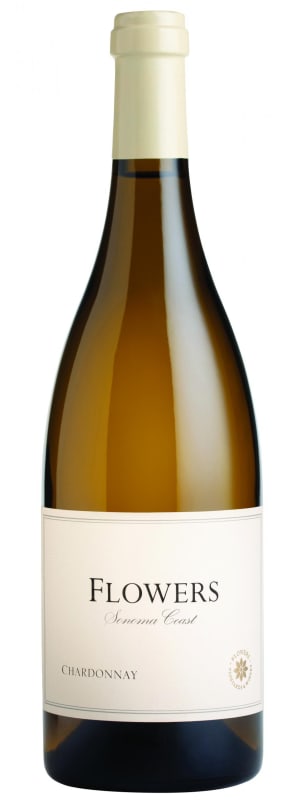


Winemaker Notes
Professional Ratings
-
Wine & Spirits
Oak plays a structural role in this chardonnay, framing the wine’s white plum and litchi richness in an edge of nutmeg spice. The fruit in the middle of the frame is soft, the edges savory, with leesy bitterness that holds a scent of white flowers. Intriguing and integrated.
-
James Suckling
A linear and tight white with sliced lemon and green apple, as well as hints of honeysuckle. Medium body with a creamy texture and a salty, jasmine undertone to the fruit at the finish. Solid. Phenolics.
-
Wine Spectator
Fragrant, with orange blossom, lemon zest, lime sherbet and fresh pear flavors that are elegant and precise, while accents of sesame seed and sea salt minerality linger on the smooth finish.
-
Wine Enthusiast
This smooth, harmonious, silky wine offers a seamless mélange of apples, peaches, almonds and vanilla on a medium body, while subtle acidity persists on the palate and helps the fruit flavors echo on the finish. In a nutshell, it is rich but very well balanced.
-
Robert Parker's Wine Advocate
The 2021 Chardonnay Sonoma Coast has intense aromas of yellow apples, Greek yogurt, honey and hazelnuts. The palate is satiny and mouth coating with a concentrated core of honeyed fruit. It’s balanced by refreshing acidity and has a long, ethereal finish.
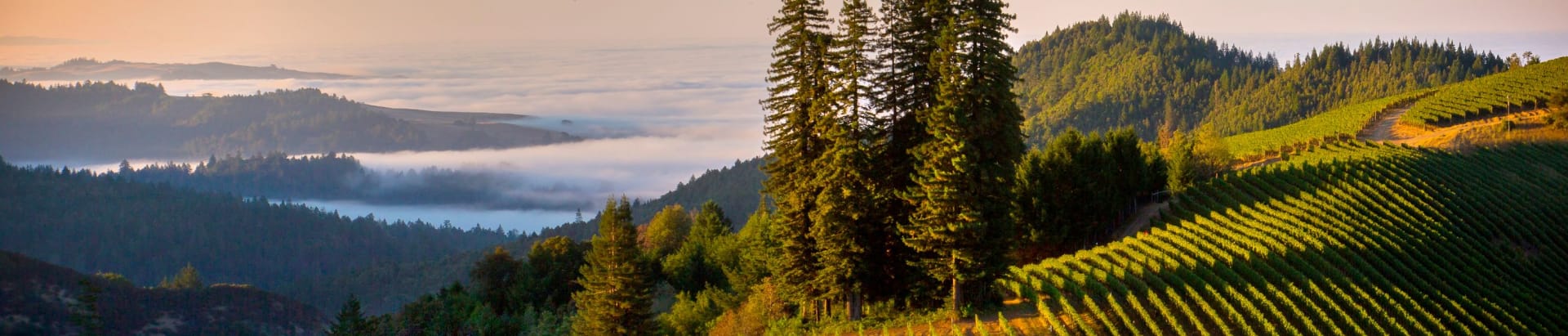


Over 25 years ago, Flowers Vineyards and Winery pioneered the growing of Pinot Noir and Chardonnay on the rugged coastal ridges of the extreme Sonoma Coast. Joan and Walt Flowers had a simple goal, to make exceptional wine that captures the wild beauty of the land and the spirit of the Sonoma Coast. This idea continues to drive everything we do - farming responsibly, harvesting by hand, using 100% native fermentation, and making wine with minimal intervention. Our unwavering commitment to crafting distinctive wines that capture the spirit of the Sonoma Coast has been the bedrock of our success, and it will continue to drive us forward for years to come.
Perched on top of soaring coastal ridges that border the nearby Pacific Ocean, our estate vineyards, Camp Meeting Ridge and Sea View Ridge, rise to impressive elevations from 1,150 to 1,875 feet. Flowers resides in the Fort Ross-Seaview American Viticulture Area (AVA), which was established in 2012 and located on the extreme western edge of the Sonoma Coast Appellation. Defined by elevation, rugged terrain and proximity to the Pacific Ocean, vineyard plantings are limited to 920-1,800+ft above sea level and are only 2% of the total AVA acreage.
The Pacific Ocean is less than two miles from the vineyards, generating cooling sea breezes and coastal fog while the soaring elevations ensure abundant sunshine for a long, slow growing season. Together they create an ideal environment for elegant and nuanced Pinot Noir and Chardonnay.

One of the most popular and versatile white wine grapes, Chardonnay offers a wide range of flavors and styles depending on where it is grown and how it is made. While it tends to flourish in most environments, Chardonnay from its Burgundian homeland produces some of the most remarkable and longest lived examples. California produces both oaky, buttery styles and leaner, European-inspired wines. Somm Secret—The Burgundian subregion of Chablis, while typically using older oak barrels, produces a bright style similar to the unoaked style. Anyone who doesn't like oaky Chardonnay would likely enjoy Chablis.

A vast appellation covering Sonoma County’s Pacific coastline, the Sonoma Coast AVA runs all the way from the Mendocino County border, south to the San Pablo Bay. The region can actually be divided into two sections—the actual coastal vineyards, marked by marine soils, cool temperatures and saline ocean breezes—and the warmer, drier vineyards further inland, which are still heavily influenced by the Pacific but not quite with same intensity.
Contained within the appellation are the much smaller Fort Ross-Seaview and Petaluma Gap AVAs.
The Sonoma Coast is highly regarded for elegant Pinot Noir, Chardonnay, and, increasingly, cool-climate Syrah. The wines have high acidity, moderate alcohol, firm tannin, and balanced ripeness.