


Winemaker Notes
At 80% of the blend, Sauvignon Blanc anchors the wine with lush flavors and zesty acidity. Ten percent Chardonnay brings a creamy mouthfeel and notes of Bosc pear and apple. Malvasia gives the wine its beguiling notes of citrus flower and jasmine. This is a delicious rendering of Soliloquy from an extraordinary vineyard, an age-worthy white that can carry its own with a robust meal and a worthy companion to our proprietary red wine, Trilogy.
Professional Ratings
-
James Suckling
Plenty of cinnamon apples, pears and warm spices on the nose follow through to a medium body with fresh acidity. Charming core of juicy fruit at the center before a vivid finish.
-
Robert Parker's Wine Advocate
A blend of 80% Sauvignon Blanc, 10% Chardonnay and 10% Malvasia, all aged in used oak, the 2022 Soliloquy features attractive aromas of grapefruit and tangerine, plus hints of melon and fig. It's medium-bodied but plump and generous, with a long, silky finish.
-
Wine Spectator
Complex and aromatic, with notes of honeysuckle, lemon blossom and makrut lime leaf. There's also a refreshing core of acidity, offering details of yuzu and lemon sherbet, plus a touch of sliced apple and apple skin on the finish. Sauvignon Blanc, Malvasia and Chardonnay.
-
Decanter
A blend of Sauvignon Blanc, Chardonnay and Malvasia from the estate Crossroads Vineyard, this wine delivers fruit-centred aromatics but delivers on savoury character. Aromas of cut grapefruit, ripe peach and crushed chalk lean into a more savoury and mineral-driven palate. Petrichor notes, lemon curd, followed by cut grasses, savoury pollen notes and a deep ripe stone fruit character.

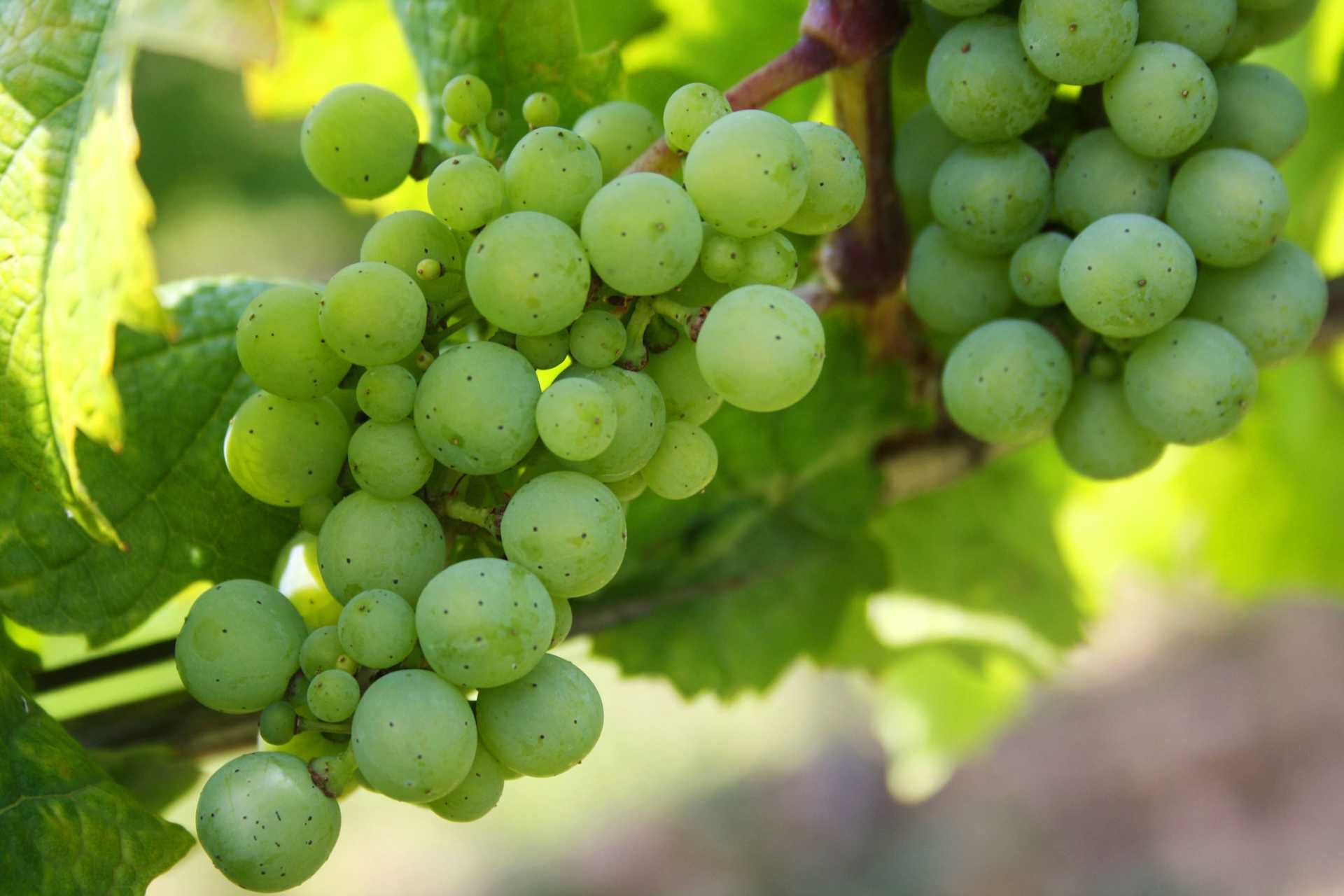
With hundreds of white grape varieties to choose from, winemakers have the freedom to create a virtually endless assortment of blended white wines. In many European regions, strict laws are in place determining the set of varieties that may be used in white wine blends, but in the New World, experimentation is permitted and encouraged. Blending can be utilized to enhance balance or create complexity, lending different layers of flavors and aromas. For example, a variety that creates a soft and full-bodied white wine blend, like Chardonnay, would do well combined with one that is more fragrant and naturally high in acidity. Sometimes small amounts of a particular variety are added to boost color or aromatics. Blending can take place before or after fermentation, with the latter, more popular option giving more control to the winemaker over the final qualities of the wine.

One of the world's most highly regarded regions for wine production as well as tourism, the Napa Valley was responsible for bringing worldwide recognition to California winemaking. In the 1960s, a few key wine families settled the area and hedged their bets on the valley's world-class winemaking potential—and they were right.
The Napa wine industry really took off in the 1980s, when producers scooped up vineyard lands and planted vines throughout the county. A number of wineries emerged, and today Napa is home to hundreds of producers ranging from boutique to corporate. Cabernet Sauvignon is definitely the grape of choice here, with many winemakers also focusing on Bordeaux blends. White wines from Napa Valley are usually Chardonnay and Sauvignon Blanc.
Within the Napa Valley lie many smaller sub-AVAs that claim specific wine characteristics based on situation, slope and soil. Farthest south and coolest from the influence of the San Pablo Bay is Carneros, followed by Coombsville to its northeast and then Yountville, Oakville and Rutherford. Above those are the warm St. Helena and the valley's newest and hottest AVA, Calistoga. These areas follow the valley floor and are known generally for creating rich, dense, complex and smooth red wines with good aging potential. The mountain sub appellations, nestled on the slopes overlooking the valley AVAs, include Stags Leap District, Atlas Peak, Chiles Valley (farther east), Howell Mountain, Mt. Veeder, Spring Mountain District and Diamond Mountain District. Napa Valley wines from the mountain regions are often more structured and firm, benefiting from a lot of time in the bottle to evolve and soften.