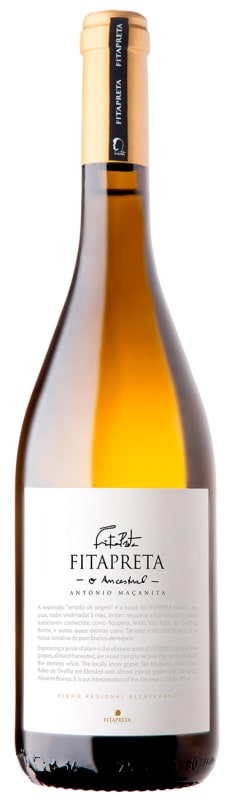


Winemaker Notes
Bright straw-yellow. On the nose, fresh orchard and stone fruit commingle with apple skin and faint herbal notes. On the palate, good concentration and weight, with bright fresh fruit and clean acidity. Nicely focused on the finish with a pronounced chalkiness to the mineral cut.
Blend: 40% Roupeiro, 20% Field Blend, 16% Rabo de Ovelha, 8% Arinto, 8% Tamarez, 8% Alicante Branco
Professional Ratings
-
Robert Parker's Wine Advocate
The 2019 Branco Ancestral is sourced from a blend of two vineyards: Vinha da Nora (20% of the blend is a 37-year-old field blend, representing the traditional source for what was the Fitapreta regular Branco) and the winery's new Vinha Chão do Eremitas (80% of the blend is sourced from this 50-year-old vineyard acquired in 2018). Given that change, the labeling of the regular Branco has now changed too—it's now the "Branco Ancestral." Same level, same function, but not the same wine any more. Aside from the 20% field blend, the wine also has 40% Roupeiro, 16% Rabo de Ovelha and 8% each of Arinto, Tamarez and Alicante Branco, unoaked but for 10% of the juice in neutral wood. It comes in at 12.5% alcohol. Beautifully done, this is looking like a good change for the winery, at least in this vintage. Spicy and with fine supporting acidity overall, this refreshing Branco is a perfect summer white. It's not particularly deep, but it is certainly refreshing, and the blend gives it a little bit of a difference in a flavor profile too, something that at times reminded me a little of a subtle Malvasia. It will be interesting to see if this can age. In the meanwhile, I'm leaning up on this a bit.
-
Wine Spectator
Sleek in texture, with fragrant floral aromas flanking the tangerine and pineapple flavors, this medium-bodied white is marked with accents of honey and spice that carry through on the finish. Good density and harmony of flavors. Roupeiro, Antão Vaz, Arinto, Rabo de Ovelha, Tamarez and Alicante Branco. Drink now through 2024.



Fitapreta is the culmination of a partnership between a young, dynamic Portuguese winemaker and a British-born viticulturist, dedicated to a new examination of terroir in the Alentejo. The winemaker Antonio Macanita returned home to his native Portugal after winemaking stints in Napa, Australia and France, most notably Ch. Lynch Bages. David Booth, the viticulturist, was already well established in Portugal when they began work together in 2004. Fitapreta operates on the Portuguese idea of “Palpite” or intuition when it comes to their viticulture and winemaking. With this trust of the land and the natural growth process of the vineyard, Antonio Macanita is able to make wines that are imbued with a singular sense of place. This winery operates on a strictly gravity-fed basis to avoid any harsh treatment of the must. All wines are spontaneously fermented with indigenous yeasts. Small parcels of each vineyard are fermented separately to preserve distinct stylistic qualities. These are then blended to achieve a layered, complete picture of the terroir.
The Alentejo is a large region in southeastern central Portugal, which is one of the agricultural centers of the country. The climate is Atlantic-Mediterranean, with significant diurnal-nocturnal temperature differences. This temperature range produces fruit with a natural combination of maturity and freshness. The Alentejo sees 3,000 hours of annual sunshine and 600mm of annual rainfall, less than 15% of which falls during the growing season. These vineyards are planted to rocky schist at 300-400m elevation.
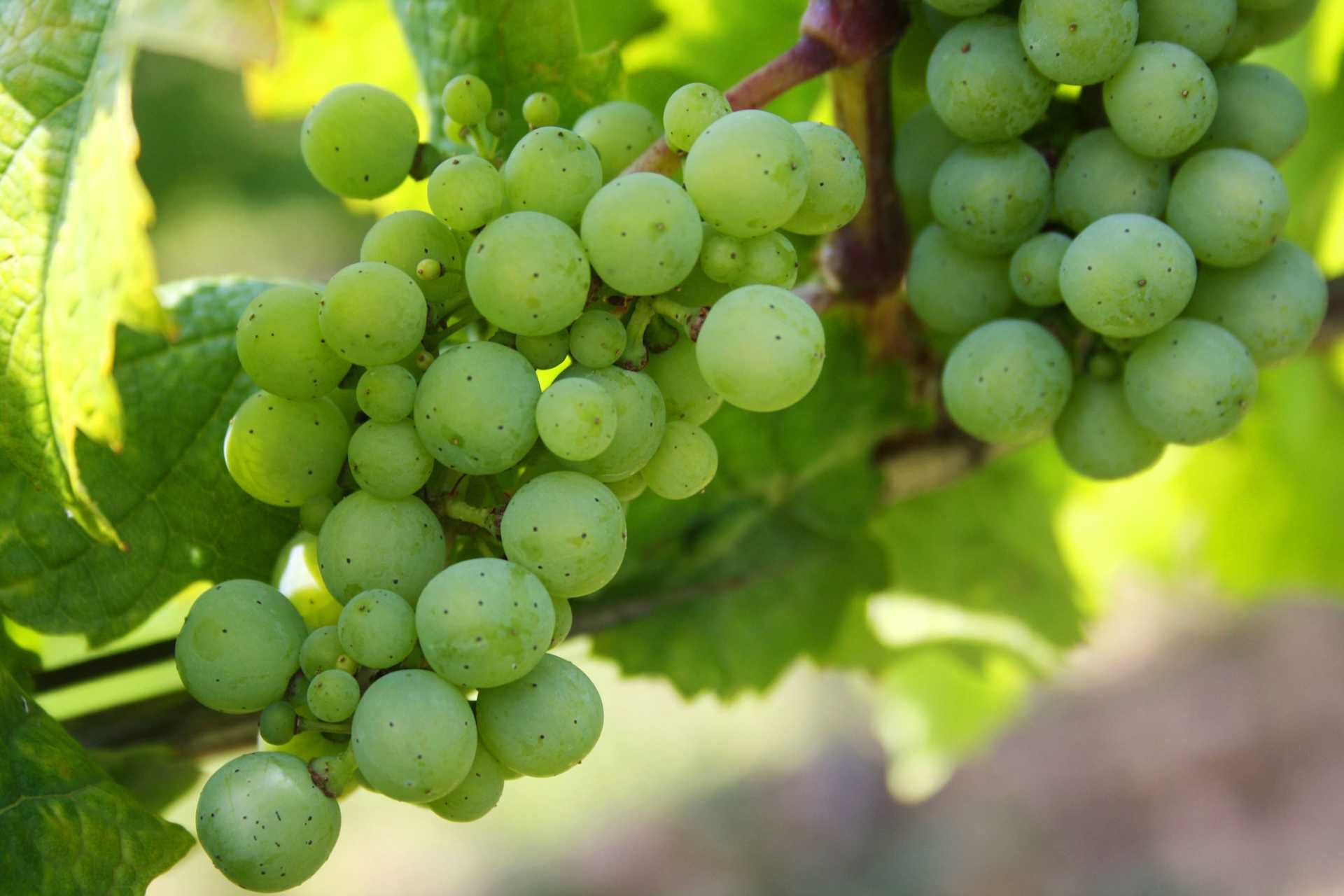
With hundreds of white grape varieties to choose from, winemakers have the freedom to create a virtually endless assortment of blended white wines. In many European regions, strict laws are in place determining the set of varieties that may be used in white wine blends, but in the New World, experimentation is permitted and encouraged. Blending can be utilized to enhance balance or create complexity, lending different layers of flavors and aromas. For example, a variety that creates a soft and full-bodied white wine blend, like Chardonnay, would do well combined with one that is more fragrant and naturally high in acidity. Sometimes small amounts of a particular variety are added to boost color or aromatics. Blending can take place before or after fermentation, with the latter, more popular option giving more control to the winemaker over the final qualities of the wine.

Responsible for a majority of Portugal’s fine wine production—and over half of the world’s cork production—Alentejo represents a major force in Portugal’s wine industry. This southern Portugese region is characterized by stretches of rolling plains and vineyards dotted with majestic cork oaks. Access to land enables the farmers of Alentejo to produce wines in great economies of scale, without compromising quality, compared to those regions to the north. The region of Alentejo indeed covers a third of the country.
Its classified (DOP) wines must come from one of eight subregions, where elevations are a bit higher, air cooler and less fertile soils are perfect for vines. The optimal regions are Portalegre, Borba, Redondo, Reguengos de Monsaraz, Granja-Amareleja, Vidigueira, Evora and Moura. Alentejo is not without the conveniences of modern winemaking as well. Irrigation supplements low rainfall and temperature control in the winery assures high quality wines.
The potential of the area has attracted many producers and its wine production continues to grow. Alentejo’s charming, fruit-forward wines have naturally led to local and global popularity.
White wines tend to be blends of Antão Vaz, Roupeiro and Arinto. However, in growing proportions, the white grapes Verdelho, Alvarinho and Viognier have been enjoying success. But red varieties actually exceed whites in Alentejo. Aragonez, Trincadeira, Alicante Bouschet and Castelão grapes blend well together and are responsible for most of the Alentejo reds.