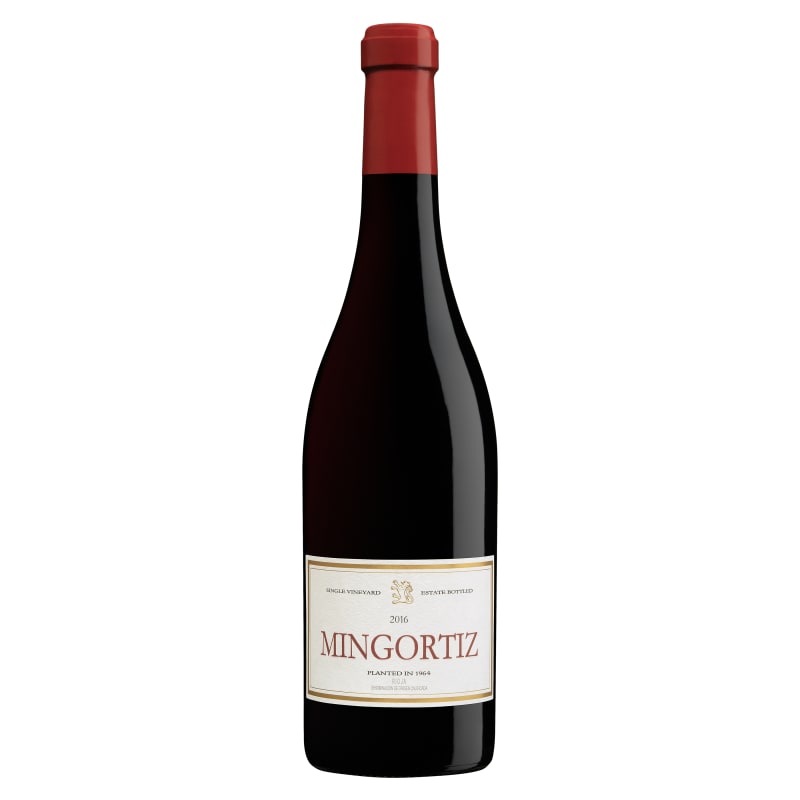


Winemaker Notes
Blend: 100% Tempranillo
Professional Ratings
-
Robert Parker's Wine Advocate
There is a faint animal note on the nose of the 2016 Mingortiz that seems to dominate the profile, which includes hints of leather, licorice and fountain pen ink. The fruit is black rather than red. It was generously oaked, and the oak is especially noticeable on the palate, which is normal, because the wine is very young. This is a lot less ripe than the previous year, and even if the alcohol is not much lower, it feels better balanced.
-
Wine Enthusiast
This bold Rioja from a stellar vintage is quite potent and could use another five to 10 years in the cellar. Deep blackberry aromas are supported by lemony oak and char accents. A full-bodied palate has tannic bite and some heat to work through, while it tastes of blackberry, cassis and toasted oak. A high-octane finish confirms that this is a Tempranillo to drink through 2035.
Cellar Selection -
James Suckling
Aromas of ripe fruit, smoke and spice with dried flowers, too, following through to a medium body with firm, silky tannins and a flavorful finish. Firm and focused. Linear and bright.
-
Wine & Spirits
Miguel Angel de Gregorio farms this parcel of vines planted in 1964 in the Rioja Alta town of Briones. It faces south at an altitude of 1,690 feet and he treats the fruit to the same regime as Gaminde (also recommended here). The result is a polished Rioja with the kind of density you might expect from a viño de autor. The texture is pure satin, the earthy fruit juicy and generous. This may only need time to grow more expressive, though it’s a pleasure to drink now if you gravitate toward powerful reds.


Hailed as the star red variety in Spain’s most celebrated wine region, Tempranillo from Rioja, or simply labeled, “Rioja,” produces elegant wines with complex notes of red and black fruit, crushed rock, leather, toast and tobacco, whose best examples are fully capable of decades of improvement in the cellar.
Rioja wines are typically a blend of fruit from its three sub-regions: Rioja Alta, Rioja Alavesa and Rioja Oriental, although specific sub-region (zonas), village (municipios) and vineyard (viñedo singular) wines can now be labeled. Rioja Alta and Alavesa, at the highest elevations, are considered to be the source of the brightest, most elegant fruit, while grapes from the warmer and drier, Rioja Oriental, produce wines with deep color, great body and richness.