

Winemaker Notes
Professional Ratings
-
Robert Parker's Wine Advocate
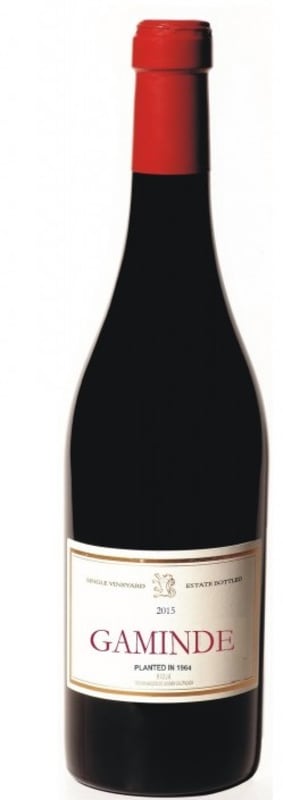
One of two new vineyard-designated reds produced for the first time in 2015, the 2015 Gaminde was sourced from a plot planted in Briones back in 1942 at 495 meters of altitude on clay and gravel soils. The bunches were selected, then the grapes were sorted by a new optical machine and put to ferment uncrushed in a French oak vat after a cold soak. Malolactic was in barrel followed by 16 months in new French barriques. This comes from red soils with clay, soils that tend to deliver more fruit-forward wines, a little baroque, juicy and tasty. It's quite fruit-driven, with glossy tannins, balsamic with more volume. A showy, ripe, modern Rioja with some lactic hints. 9,000 bottles produced. It was bottled in April 2017.
-
Wine Spectator
This red is ripe and concentrated. Bold fruit flavors of blackberry and currant mingle with cocoa, toast and licorice notes, giving this a jammy character that stays lively thanks to sweet-tart acidity. Well-integrated tannins keep this sturdy. In the modern style. Tempranillo.


Hailed as the star red variety in Spain’s most celebrated wine region, Tempranillo from Rioja, or simply labeled, “Rioja,” produces elegant wines with complex notes of red and black fruit, crushed rock, leather, toast and tobacco, whose best examples are fully capable of decades of improvement in the cellar.
Rioja wines are typically a blend of fruit from its three sub-regions: Rioja Alta, Rioja Alavesa and Rioja Oriental, although specific sub-region (zonas), village (municipios) and vineyard (viñedo singular) wines can now be labeled. Rioja Alta and Alavesa, at the highest elevations, are considered to be the source of the brightest, most elegant fruit, while grapes from the warmer and drier, Rioja Oriental, produce wines with deep color, great body and richness.