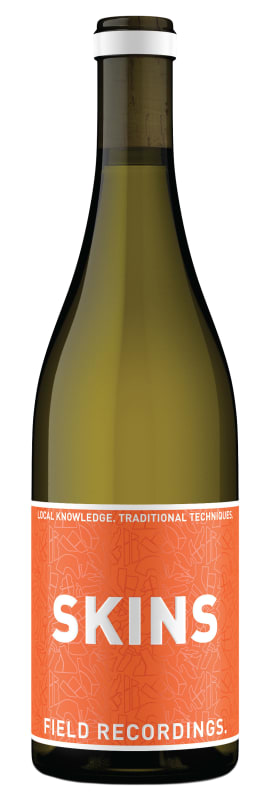


Winemaker Notes
A crisp orange wine perfect to pair with spicy foods, springtime and...well, anything. It will make you a believer in non-red wines. Field Recordings uses a mix of white grapes from different vineyards that they destem and ferment on skins, resulting in a beautiful showcase of all the delicate flavors of white wine, but with more substance and texture.
Blend: 35% Chenin Blanc, 35% Pinot Gris, 12% Riesling, 12% Albariño, 4% Tocai Friulano, 2% Verdelho
Professional Ratings
-
Wine Enthusiast
One of the most popular wines in the Field Recordings' lineup, this skin-contact blend of 35% Chenin Blanc, 35% Pinot Gris, 12% Albariño, 12% Riesling, 4% Tocai Friuliano and 2% Verdelho really is fascinating. The pinkish-orange wine carries aromas of strawberry, red plum, rose water and melon rinds from the nose into a deeply textural palate, loaded in red apple and white-flower flavors. Believe the hype.
Editors' Choice

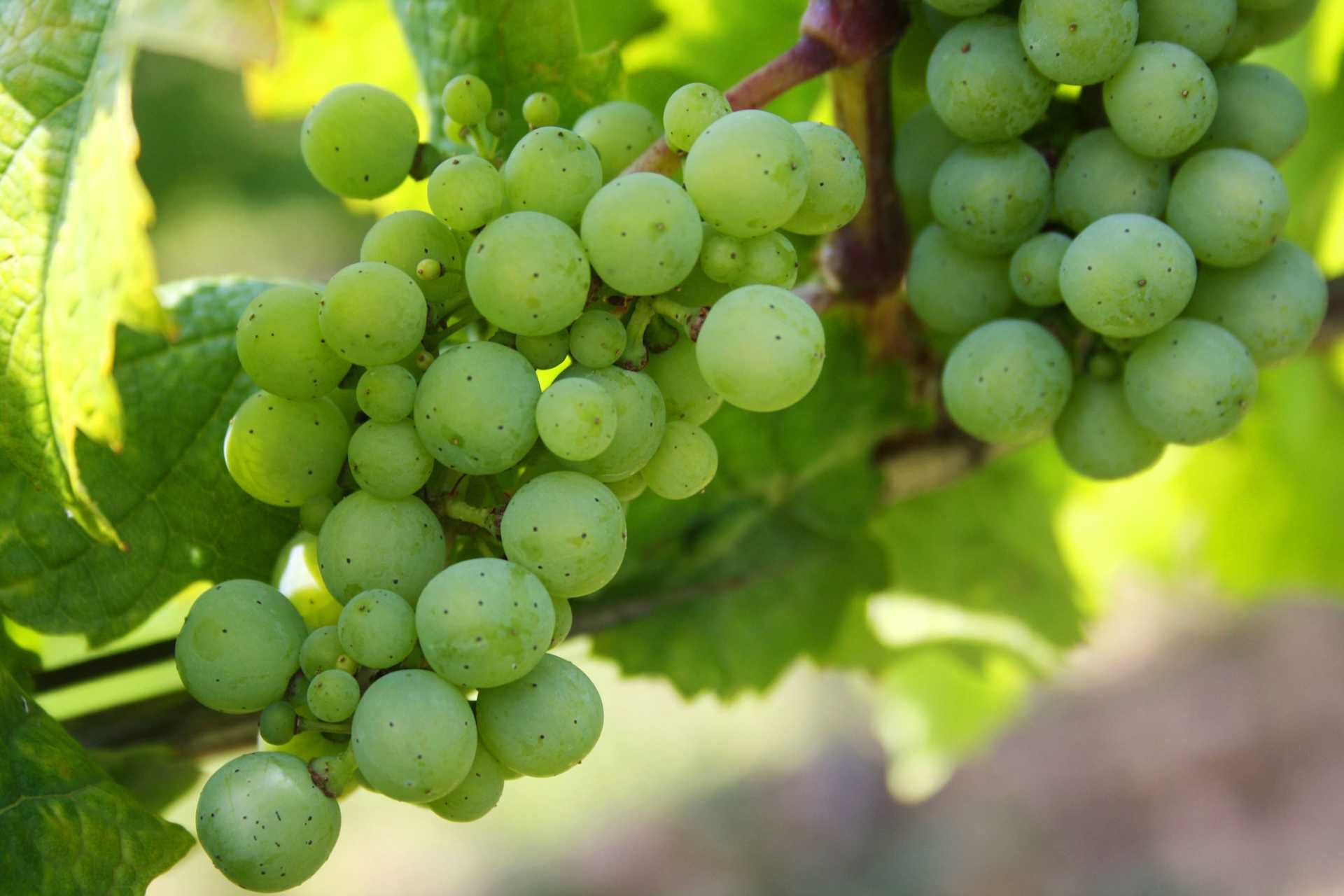
With hundreds of white grape varieties to choose from, winemakers have the freedom to create a virtually endless assortment of blended white wines. In many European regions, strict laws are in place determining the set of varieties that may be used in white wine blends, but in the New World, experimentation is permitted and encouraged. Blending can be utilized to enhance balance or create complexity, lending different layers of flavors and aromas. For example, a variety that creates a soft and full-bodied white wine blend, like Chardonnay, would do well combined with one that is more fragrant and naturally high in acidity. Sometimes small amounts of a particular variety are added to boost color or aromatics. Blending can take place before or after fermentation, with the latter, more popular option giving more control to the winemaker over the final qualities of the wine.
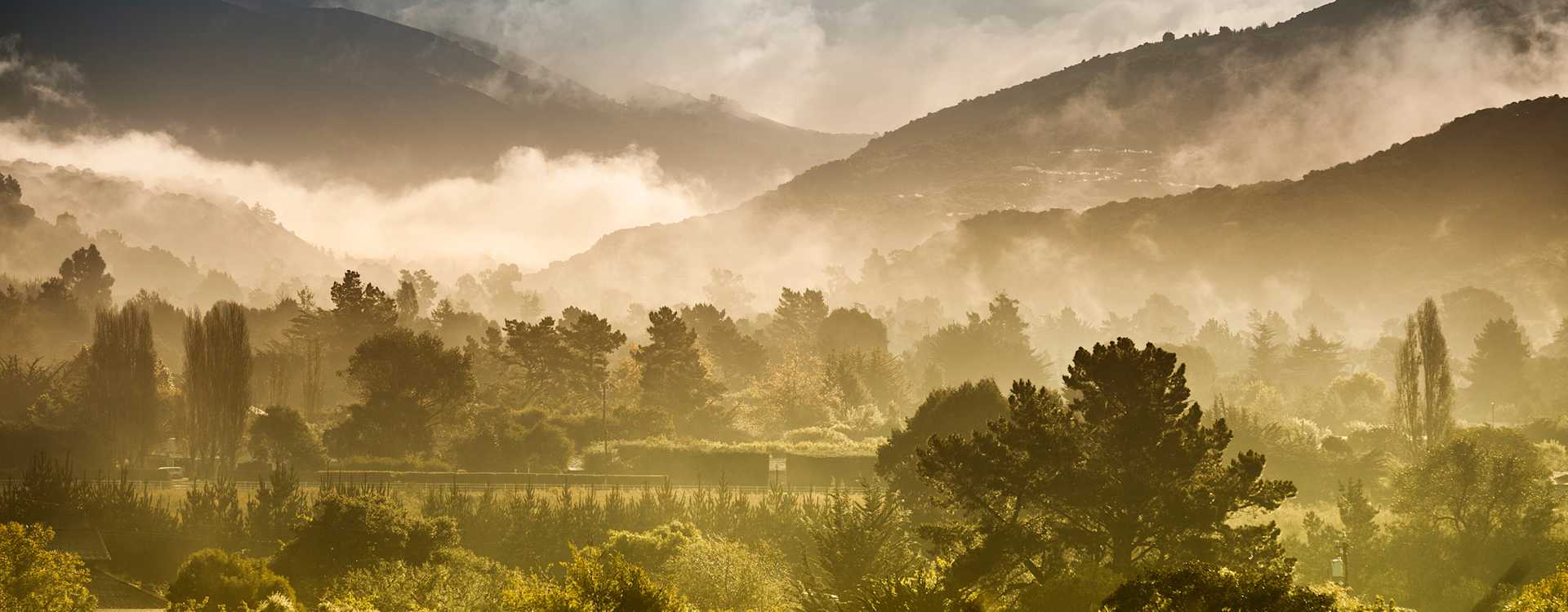
The largest and perhaps most varied of California’s wine-growing regions, the Central Coast produces a good majority of the state's wine. This vast California wine district stretches from San Francisco all the way to Santa Barbara along the coast, and reaches inland nearly all the way to the Central Valley.
Encompassing an extremely diverse array of climates, soil types and wine styles, it contains many smaller sub-AVAs, including San Francisco Bay, Monterey, the Santa Cruz Mountains, Paso Robles, Edna Valley, Santa Ynez Valley and Santa Maria Valley.
While the Central Coast California wine region could probably support almost any major grape varietiy, it is famous for a few Central Coast reds and whites. Pinot Noir, Chardonnay, Cabernet Sauvignon and Zinfandel are among the major ones. The Central Coast is home to many of the state's small, artisanal wineries crafting unique, high-quality wines, as well as larger producers also making exceptional wines.