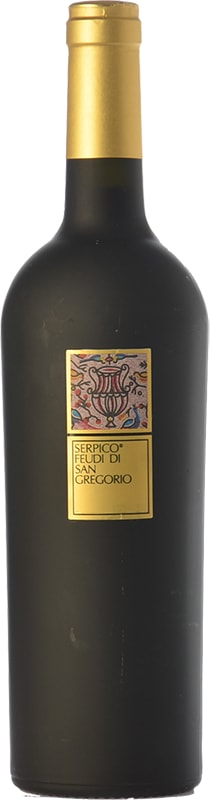


Winemaker Notes
Well-matched with roasted meat and game.
Professional Ratings
-
Wine Spectator
Bold and structured red. Dark color; black licorice, raspberry and mineral character and hints of dried flowers; full-bodied, with spicy fruit and undertones of black pepper. Chewy finish. This is fantastic.
-
Robert Parker's Wine Advocate
The 2001 Serpico is another wine that appears to need more bottle age. Today it is in an in-between stage where the fruit is no longer primary but the tertiary notes aren’t fully developed either. The 2001 is a powerful Serpico with impressive tannic clout that will require further cellaring to soften. With time, hints of wild cherries, herbs, chocolate and leather emerge but only with great reluctance. Anticipated maturity: 2013-2023.
Rating: 92+

Italian Red Wine
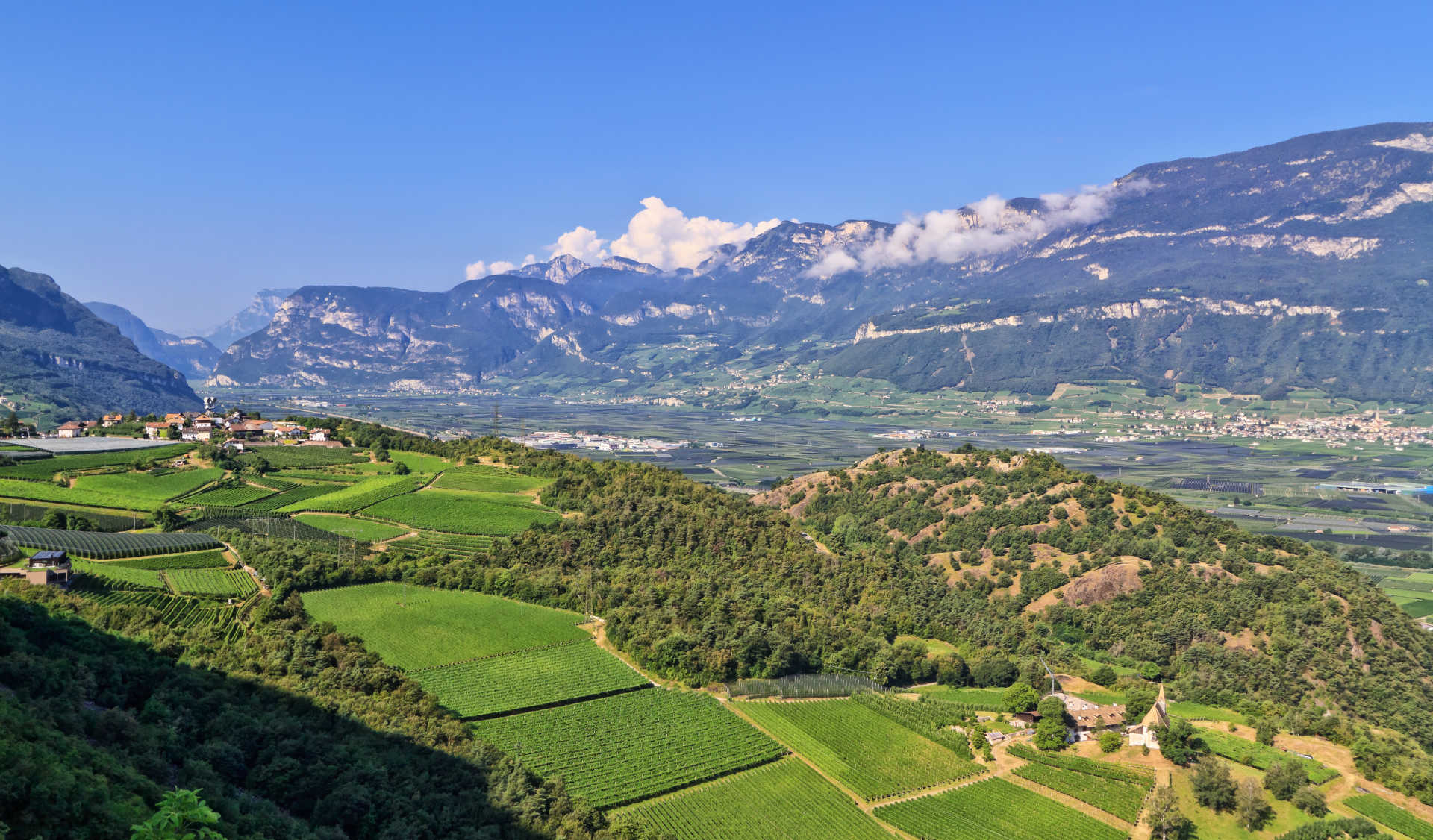
While picturesque hillsides, endless coastlines and a favorable climate serve to unify the grape-growing culture of this country. The apparent never-ending world of indigenous grape varieties gives Italy an unexampled charm and allure for its red wines. From the steep inclines of the Alps to the sprawling, warm, coastal plains of the south, red grape varieties thrive throughout.
The kings of Italy, wines like Barolo and Barbaresco (made of Nebbiolo), and Chianti and Brunello di Montalcino (made of Sangiovese), as well as Amarone (mostly Corvina), play center stage for the most lauded, collected and cellar-worthy reds. Less popular but entirely deserving of as much praise are the wines made from Aglianico, Sagrantino and Nerello Mascalese.
For those accustomed to drinking New World reds, the south is the place to start. Grapes like Negroamaro or Primitvo from Puglia and Nero d’Avola from Sicily make soft, ammicable, full-bodied, fruit-dominant wines. Curious palates should be on the lookout for Cannonau (Grenache), Lagrein, Teroldego, Ruché, Freisa, Cesanese, Schiopettino, Rossese and Gaglioppo to name a few.