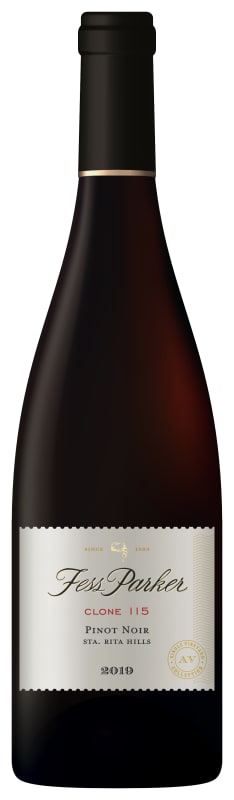


Winemaker Notes
Blend: 100% Pinot Noir
Professional Ratings
-
Wine Enthusiast
Opulent aromas of dried cherry, cola spice and loamy earth offer a comforting fatness on the nose of this clonal expression. The palate's mouthfeel is quite viscous but contained by a zesty acidity, as those dark-cherry-cola flavors arise.
-
Jeb Dunnuck
More fruit-filled and juicy, the 2019 Pinot Noir Clone 115 offers ample cherry and mulberry notes as well as background cigar, spice, and floral nuances. It too is medium-bodied and beautifully balanced, with lots of character.
-
Robert Parker's Wine Advocate
Medium ruby-purple, the 2019 Pinot Noir Clone 115 features red and blue berries on the nose with touches of baking spice, citrus peel and potpourri. The palate is medium-bodied, soft and juicy with spicy fruits and an uplifted finish. Best After 2022
-
Wine & Spirits
From Ashley’s, one of Fess Parker’s estate vineyards, this wine leads with scents of mulled spice, licorice and pfeffernüse adorning a dark plum core. For all the aromatic savor, there’s one pure, spicy, dark fruit-lined olive note delivered with finesse—for a mushroom tartelette.
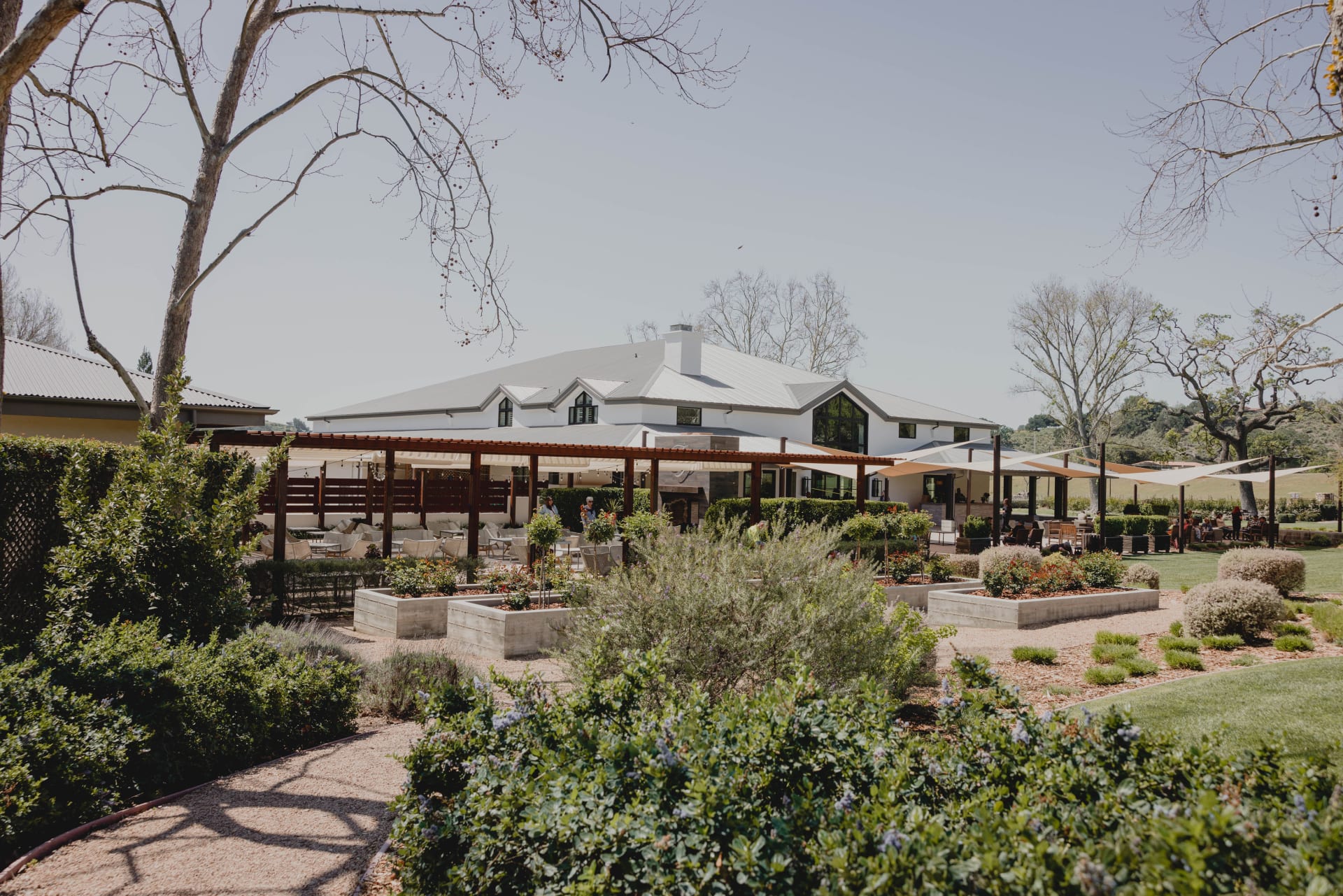


Established in 1989, Fess Parker Winery is a multi-generational family owned and operated winery that has a rich heritage in Santa Barbara County. Fess Parker produces premium, small-lot, vineyard designated Burgundian varietals from the Sta. Rita Hills and Santa Maria Valley as well as Rhône varietals from their organically farmed, SIP Certified estate vineyard.
Outstanding fruit sources, including some of the finest vineyards in the county, coupled with skilled winemaking, led by Blair Fox, form the foundation for the winery’s success. Now three generations in, the Fess Parker Family is proud to carry on Fess’s legacy of wine heritage and hospitality in Santa Barbara.
Fess Parker Winery was proud to be named a Top 100 Winery in the World by Wine & Spirits Magazine in both 2022 and 2023.

Thin-skinned, finicky and temperamental, Pinot Noir is also one of the most rewarding grapes to grow and remains a labor of love for some of the greatest vignerons in Burgundy. Fairly adaptable but highly reflective of the environment in which it is grown, Pinot Noir prefers a cool climate and requires low yields to achieve high quality. Outside of France, outstanding examples come from in Oregon, California and throughout specific locations in wine-producing world. Somm Secret—André Tchelistcheff, California’s most influential post-Prohibition winemaker decidedly stayed away from the grape, claiming “God made Cabernet. The Devil made Pinot Noir.”
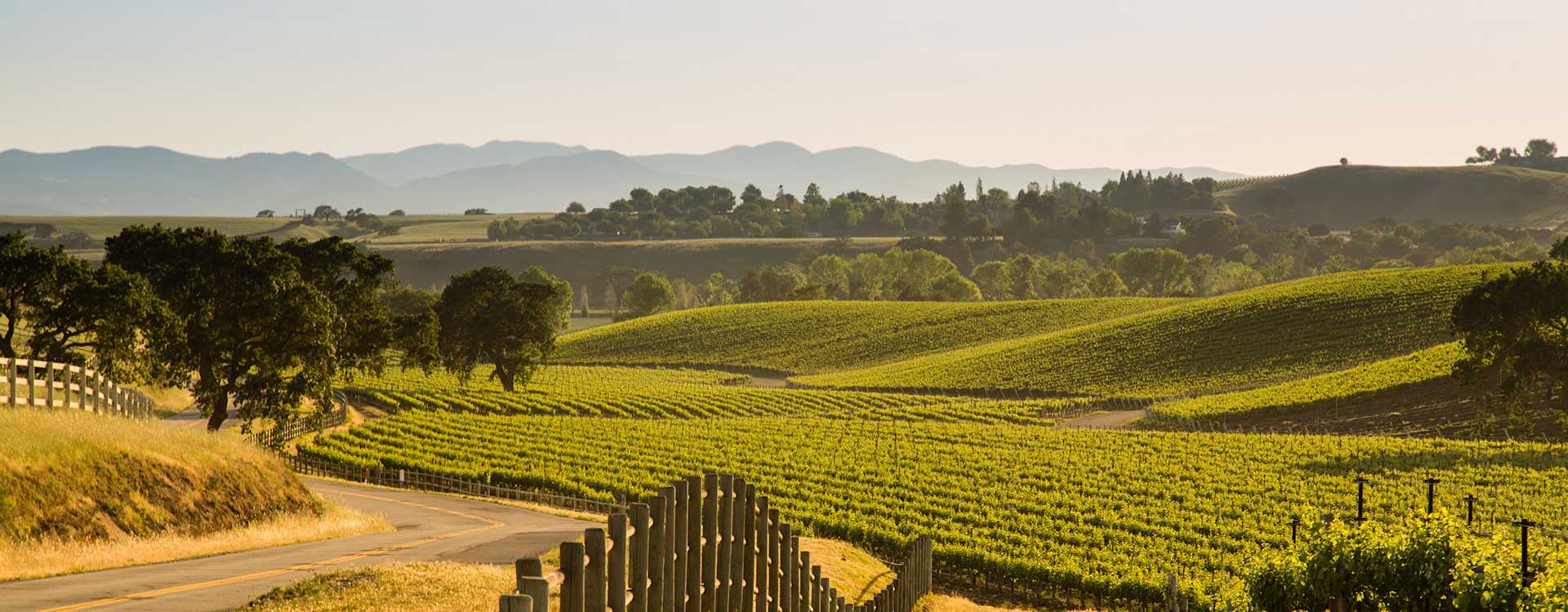
A superior source of California Chardonnay and Pinot Noir, Sta. Rita Hills is the coolest, westernmost sub-region of the larger Santa Ynez Valley appellation within Santa Barbara County. This relatively new AVA is unquestionably one to keep an eye on.
The climate of Sta. Rita Hills is a natural match for Chardonnay and Pinot noir, thanks to the crisp ocean breezes and well-drained, limestone-rich calcareous soil. Here, grapes ripen just enough, while retaining brisk acidity and harmonious balance.