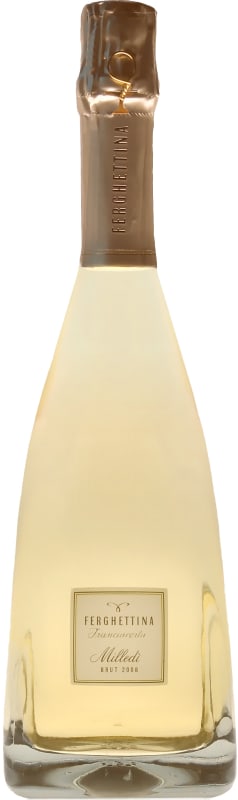


Winemaker Notes
Straw yellow color with golden and green reflections. The perlage is fine and persistent. In the mouth, the wine has elegant notes of
citrus and minerals. Pair with Red Mullet with a light tomato sauce, vegetarian lasagna, lobster au gratin, and sun dried tomatoes risotto with scallops.
Professional Ratings
-
Wine Enthusiast
Bread crust, baked apple and citrus aromas follow on to the crisp, elegant palate along with pear and grapefruit. A hint of ginger accents the primary flavors while bright acidity and a silky perlage provide vibrancy and finesse.


Representing the topmost expression of a Champagne house, a vintage Champagne is one made from the produce of a single, superior harvest year. Vintage Champagnes account for a mere 5% of total Champagne production and are produced about three times in a decade. Champagne is typically made as a blend of multiple years in order to preserve the house style; these will have non-vintage, or simply, NV on the label. The term, "vintage," as it applies to all wine, simply means a single harvest year.

Containing an exciting mix of wine producing subregions, Lombardy is Italy’s largest in size and population. Good quality Pinot noir, Bonarda and Barbera have elevated the reputation of the plains of Oltrepò Pavese. To its northeast in the Alps, Valtellina is the source of Italy’s best Nebbiolo wines outside of Piedmont. Often missed in the shadow of Prosecco, Franciacorta produces collectively Italy’s best Champagne style wines, and for the fun and less serious bubbly, find Lambrusco Mantovano around the city of Mantua. Lugana, a dry white with a devoted following, is produced to the southwest of Lake Garda.