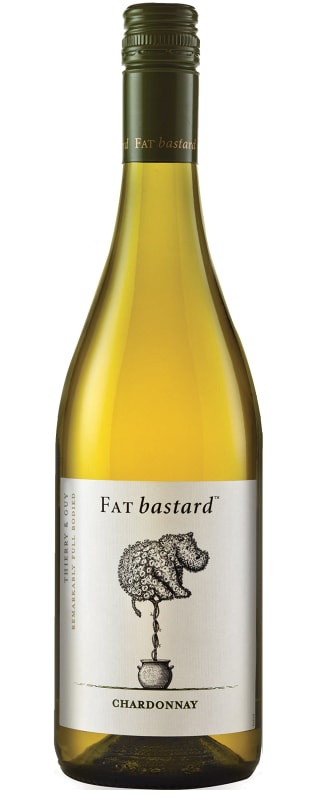


Winemaker Notes
Golden yellow robe. Elegant nose with aromas of white fruits (peach, pear). Full-bodied structure with great fruit flavors and hints of vanilla.
Excellent as an aperitif. Baked salmon, grilled tuna steak, flavorful seafood dishes, white meat (chicken, veal with mushrooms) and cheese.
Professional Ratings
-
Tasting Panel
Although the name of the wine indicates a full-bodied profile, we find it quite balanced. The richness of toffee plays in the pen with tart green apple and a hit of hazelnut. Oak integrates well, with a sense of charred lemon-marshmallow on the finish.


One of the most popular and versatile white wine grapes, Chardonnay offers a wide range of flavors and styles depending on where it is grown and how it is made. While it tends to flourish in most environments, Chardonnay from its Burgundian homeland produces some of the most remarkable and longest lived examples. California produces both oaky, buttery styles and leaner, European-inspired wines. Somm Secret—The Burgundian subregion of Chablis, while typically using older oak barrels, produces a bright style similar to the unoaked style. Anyone who doesn't like oaky Chardonnay would likely enjoy Chablis.

A catchall term for the area surrounding the Languedoc and Roussillon, Pays d’Oc is the most important IGP (Indication Géographique Protégée) in France, producing 85% of this country’s wine under the IGP designation. (IGP indicates wine of good quality, not otherwise elevated to the Appellation d'Origine Contrôlée (AOC) status.)
The near perfect Mediterranean climate combined with dry, cool winds from the north, optimal soils, altitudes and exposures make Pays d’Oc an ideal wine growing region. Single varietal wines and blends are possible here and while many types of grapes do well in Pays d’Oc, Chardonnay, Pinot Noir, Grenache and Cinsault are among the most common.