


Winemaker Notes
Professional Ratings
-
James Suckling
Plenty of black cherry and berry character with hints of flowers. Medium to full body, soft and fresh tannins and a clean and delicious finish. Lovely now.
-
Robert Parker's Wine Advocate
Fanti's 2013 Brunello di Montalcino is a fruit-driven expression that makes a fresh and simple presentation. The wine tastes younger than it actually is, thanks to those notes of vibrant cherry and crème de cassis. There is a candied element as well that resembles sweet watermelon or peach. It's hard to determine where the wine's aging trajectory will take it. If all the fresh fruit fades, it's not clear what will replace it. But the wine is sturdy and firm in texture, so it might just keep us guessing.
-
Wine Enthusiast
Aromas of blueberry, truffle, coconut and a whiff of dark spice emerge on this. On the firm palate, tight grainy tannins support sour cherry, French oak, star anise and espresso alongside brisk acidity. Drink after 2023.
-
Wine Spectator
Lean yet intense, this red offers cherry, currant, strawberry, saline and iron flavors. Fresh and balanced, finishing compact. Best from 2020 through 2032.
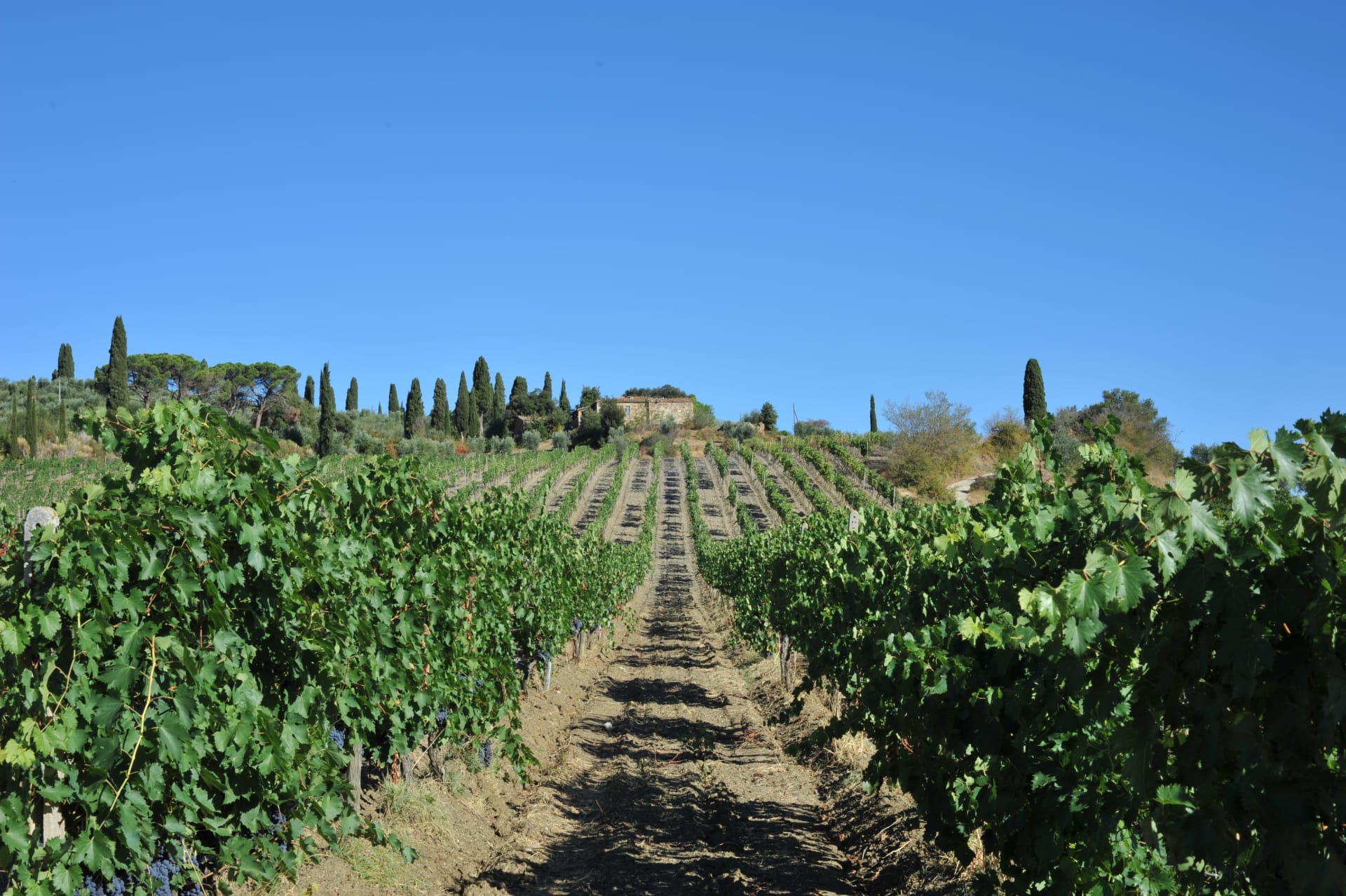


The Fanti Family has been producing wine and-extra virgin olive oil in Tuscany for nearly 200 years. In the 1970s, current owner Filippo first took over the Estate, marking a major turning point in its history. After redesigning and replanting across its 300 hectare property, an innovation-meets-tradition winemaking technique has resulted in extremely high-quality grape growing, all while avoiding any non-organic fertilizers. Eighty percent of the plantings in the vineyards are Sangiovese or Sangiovese Grosso, a focus that reinforces the family’s commitment to the quality wine of the region and which is reflected in Fanti’s highly rated Brunelli. Filippo’s daughter Elisa joined the team in 2007 and has since been instrumental in reinforcing their position in the international market.
When Filippo decided to reconfigure their 300 hectare property, he allocated 50 hectares to be grape vines, just half that of the olive grove. He apportioned other plots of the property to crops and woodlands in a layout that was designed to nurture the vineyards. With soil that is laden with limestone and clay, optimal daytime sun exposure and a nighttime thermal drop, the viniculture is carefully orchestrated to mirror the flavors and aromas of both the grape and the territory. The winery itself is partially built into a hill to reduce visual impact and protect the scenery.
Inside the winery, Filippo himself has carefully selected everything, from the sorting table, stainless steel vats and pumpover system to a very high standard of barrel selection. As a result, Fanti continues to produce hallmark Southern Montalcino wines with the help of their surrounding terroir and passion for making approachable wines for new wine makers and seasoned pros alike.

Among Italy's elite red grape varieties, Sangiovese has the perfect intersection of bright red fruit and savory earthiness and is responsible for the best red wines of Tuscany. While it is best known as the chief component of Chianti, it is also the main grape in Vino Nobile di Montepulciano and reaches the height of its power and intensity in the complex, long-lived Brunello di Montalcino. Somm Secret—Sangiovese doubles under the alias, Nielluccio, on the French island of Corsica where it produces distinctly floral and refreshing reds and rosés.

Famous for its bold, layered and long-lived red, Brunello di Montalcino, the town of Montalcino is about 70 miles south of Florence, and has a warmer and drier climate than that of its neighbor, Chianti. The Sangiovese grape is king here, as it is in Chianti, but Montalcino has its own clone called Brunello.
The Brunello vineyards of Montalcino blanket the rolling hills surrounding the village and fan out at various elevations, creating the potential for Brunello wines expressing different styles. From the valleys, where deeper deposits of clay are found, come wines typically bolder, more concentrated and rich in opulent black fruit. The hillside vineyards produce wines more concentrated in red fruits and floral aromas; these sites reach up to over 1,600 feet and have shallow soils of rocks and shale.
Brunello di Montalcino by law must be aged a minimum of four years, including two years in barrel before realease and once released, typically needs more time in bottle for its drinking potential to be fully reached. The good news is that Montalcino makes a “baby brother” version. The wines called Rosso di Montalcino are often made from younger vines, aged for about a year before release, offer extraordinary values and are ready to drink young.