
Winemaker Notes
Pairs brilliantly with cassoulet or hearty casseroles, smoked beef or cured sausages, and roasted lamb with mint sauce.
Professional Ratings
-
Robert Parker's Wine Advocate
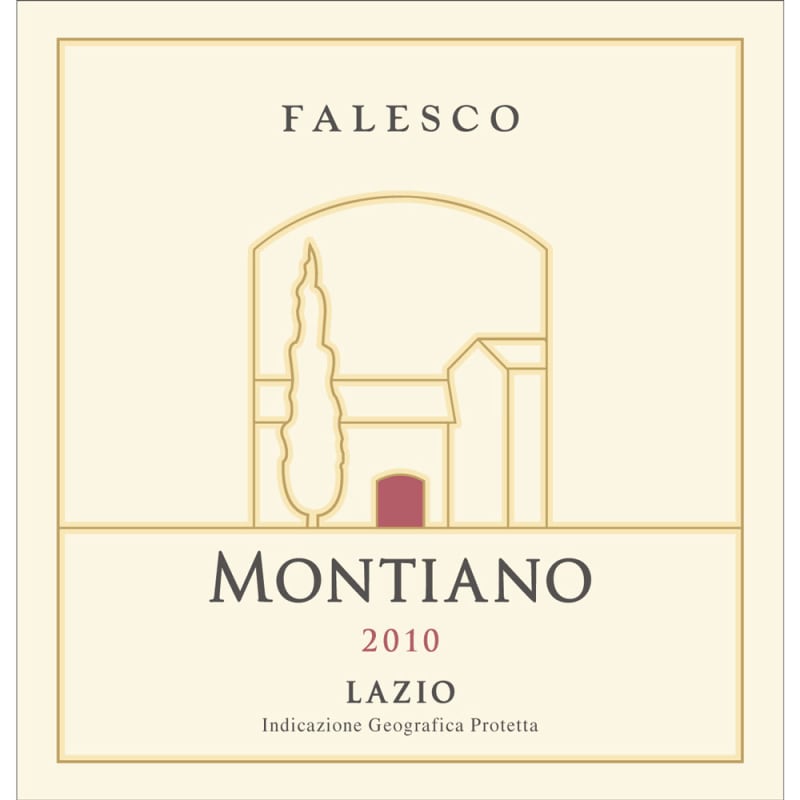
Sporting a new, minimalist design (a simple cream background replaces the label’s previous look), the 2010 Montiano is a great achievement for Riccardo Cotarella and his family. The wine is 100% Merlot and every effort has been made to preserve the high quality of fruit harvested in this happy vintage. It’s bold, rich, velvety and chocolaty all at the same time, with mesmerizing layers of dark cherry, Indian spice and tobacco. Anticipated maturity: 2014-2020.
-
Wine Spectator
Fragrant, medicinal herb notes lead the way in this brawny red. The grippy tannins are tightly knit with the macerated plum, black olive, cacao and graphite flavors. Give this some time to flex its muscles. Merlot. Best from 2017 through 2025.


When asked to name common Italian red grapes, most wine drinkers would probably begin with Sangiovese and continue with various other indigenous varieties. But Merlot (along with several other international varieties) has a significant presence in Italy, with over 60,000 acres planted. Granted, much of this is everyday quaffing wine grown in the northeast by producers taking advantage of the vine’s prolific nature, especially in the Veneto and Friuli.
But through much of the country the wine is grown with more care and used predominantly as a blending agent, thereby adding a certain soft, fleshy appeal to a great many reds. Of course, this practice is often not mentioned on labels. In Tuscany, Merlot appears in a wide variety of blends, as well as sometimes in Chianti Classico. In fact, Italian Merlot reaches its greatest heights in the coastal Tuscan region of Maremma. Here it appears in blends and – spectacularly – in 100% varietal expressions like Masseto, L’Apparita and Messorio. Italian Merlots such as these boast the power, concentration and complexity seen in the finest examples from Bordeaux’s Right Bank.