
Winemaker Notes
Professional Ratings
-
Robert Parker's Wine Advocate
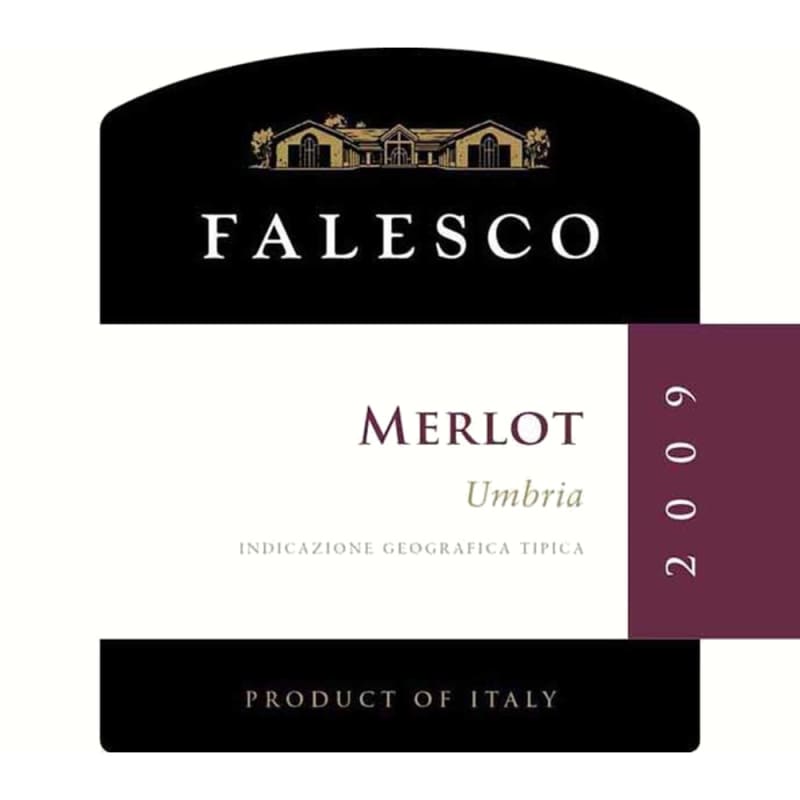
The 2009 Merlot is one of the finest wines I have ever tasted from Falesco. It is a decidedly firm, vibrant Merlot that stands in stark contrast to the super-ripe, obvious Vitiano Rosso. Here the fruit is wonderfully precise and elegant. Jammy blueberries, blackberries, cinnamon, leather and crushed rocks are woven into a beautiful fabric. The French oak is layered very nicely, adding depth and flavor, but never overpowering the wine. This is impressive juice from proprietor Riccardo Cotarella. Anticipated maturity: 2010-2017.


When asked to name common Italian red grapes, most wine drinkers would probably begin with Sangiovese and continue with various other indigenous varieties. But Merlot (along with several other international varieties) has a significant presence in Italy, with over 60,000 acres planted. Granted, much of this is everyday quaffing wine grown in the northeast by producers taking advantage of the vine’s prolific nature, especially in the Veneto and Friuli.
But through much of the country the wine is grown with more care and used predominantly as a blending agent, thereby adding a certain soft, fleshy appeal to a great many reds. Of course, this practice is often not mentioned on labels. In Tuscany, Merlot appears in a wide variety of blends, as well as sometimes in Chianti Classico. In fact, Italian Merlot reaches its greatest heights in the coastal Tuscan region of Maremma. Here it appears in blends and – spectacularly – in 100% varietal expressions like Masseto, L’Apparita and Messorio. Italian Merlots such as these boast the power, concentration and complexity seen in the finest examples from Bordeaux’s Right Bank.