


Winemaker Notes
The 2018 Failla Estate Vineyard Chardonnay opens to sea air and Meyer lemon on the nose that lead to a complex and balanced palate framed by bay leaf, orange blossom, and a lengthy and energetic finish.
Professional Ratings
-
Jeb Dunnuck
I was able to taste two Chardonnays from Failla. The 2018 Chardonnay Estate Vineyard comes from an estate vineyard in the Fort Ross-Seaview AVA and spent 11 months in 10% new French oak. This medium gold-hued 2018 has a more savory bouquet of crushed citrus, white peach, dried herbs, and spice. This carries to a medium-bodied, nicely concentrated Chardonnay with a distinct marine, salty, oyster shell-like minerality, beautiful overall balance, bright acidity, and a clean finish. Think Chablis meets the Sonoma Coast. It's going to evolve for a solid decade or more.


One of the most popular and versatile white wine grapes, Chardonnay offers a wide range of flavors and styles depending on where it is grown and how it is made. While it tends to flourish in most environments, Chardonnay from its Burgundian homeland produces some of the most remarkable and longest lived examples. California produces both oaky, buttery styles and leaner, European-inspired wines. Somm Secret—The Burgundian subregion of Chablis, while typically using older oak barrels, produces a bright style similar to the unoaked style. Anyone who doesn't like oaky Chardonnay would likely enjoy Chablis.
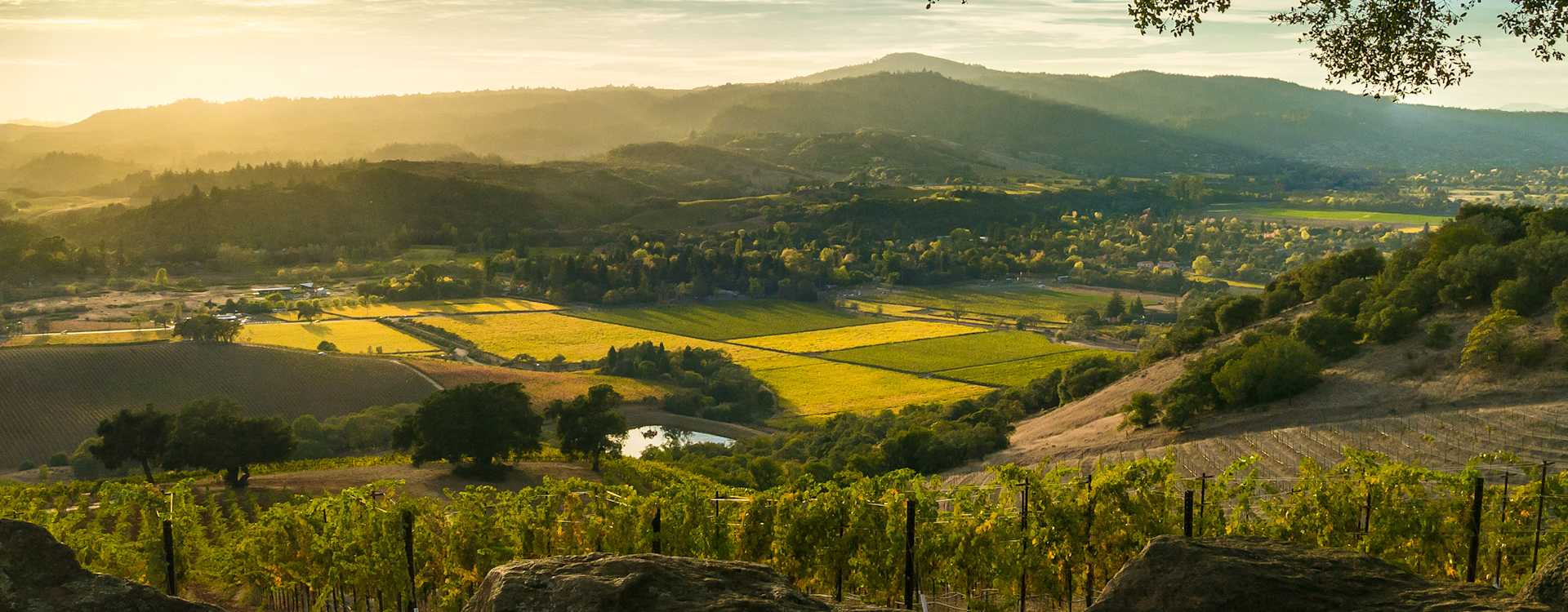
On the far western edge of the larger Sonoma Coast appellation, the Fort Ross-Seaview AVA hugs right up against the Pacific coast. Vineyards, planted at rugged elevations between 920 to 1,800 feet, occupy only two percent of the total land in the AVA. Fort Ross-Seaview growers believe that the region boasts an ideal mix of sunshine, cool air and beneficial stress for producing high quality Chardonnay and Pinot noir.