

Winemaker Notes
Professional Ratings
-
Wine Enthusiast
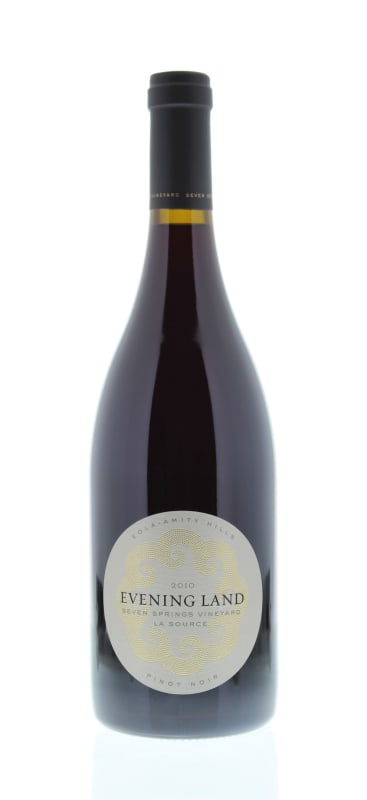
In a stellar lineup of 2010 Evening Land Pinots, this is the best. It displays eye-popping character and depth, a ripe powerhouse at just 13.1% alcohol. Black cherry fruit comes laced with cinnamon and baking spice notes. It’s a full, round, rich, and fruity wine that just never quits.
-
Wine Spectator
This red is remarkable for its array of vivid flavors on a sleek, airy frame, shading its juicy raspberry and cherry fruit with a streak of wet rock, crushed rose petal and white pepper, all of it put together seamlessly. The finish just doesn't quit. Drink now through 2020. 971 cases made.
-
Wine & Spirits
Light and sinewy, with a hint of sour cherry and dark strawberry, this feels poised and a bit distant when first poured, in keeping with the vintage. It broadens with air, the texture going creamy and gently sweet, brightened by fine acidity. It’s a wine that's quiet and composed to serve with smoked sturgeon or cod.
-
Robert Parker's Wine Advocate
Evening Land’s 2010 Pinot Noir Seven Springs Vineyard La Source – representing selected, inter alia shallower tufa and weathered basalt soils – predictably has much in common with its generic counterpart, notably an emphasis on invigoratingly tart, juicy cranberry and cherry tinged with sassafras, fruit pit, and black pepper. But here, much more complexity is achieved, including overtones of floral perfume, lemon oil, and licorice as well as a mouthwateringly savory salted red meat undertone that carries through the multilayered and almost unstoppably vibrant finish. The clarity and polish of this performance are unlikely to diminish over the coming decade, but rather to be enhanced by their stay in bottle.


Thin-skinned, finicky and temperamental, Pinot Noir is also one of the most rewarding grapes to grow and remains a labor of love for some of the greatest vignerons in Burgundy. Fairly adaptable but highly reflective of the environment in which it is grown, Pinot Noir prefers a cool climate and requires low yields to achieve high quality. Outside of France, outstanding examples come from in Oregon, California and throughout specific locations in wine-producing world. Somm Secret—André Tchelistcheff, California’s most influential post-Prohibition winemaker decidedly stayed away from the grape, claiming “God made Cabernet. The Devil made Pinot Noir.”

Running north to south, adjacent to the Willamette River, the Eola-Amity Hills AVA has shallow and well-drained soils created from ancient lava flows (called Jory), marine sediments, rocks and alluvial deposits. These soils force vine roots to dig deep, producing small grapes with great concentration.
Like in the McMinnville sub-AVA, cold Pacific air streams in via the Van Duzer Corridor and assists the maintenance of higher acidity in its grapes. This great concentration, combined with marked acidity, give the Eola-Amity Hills wines—namely Pinot noir—their distinct character. While the region covers 40,000 acres, no more than 1,400 acres are covered in vine.