
Winemaker Notes
Professional Ratings
-
Robert Parker's Wine Advocate
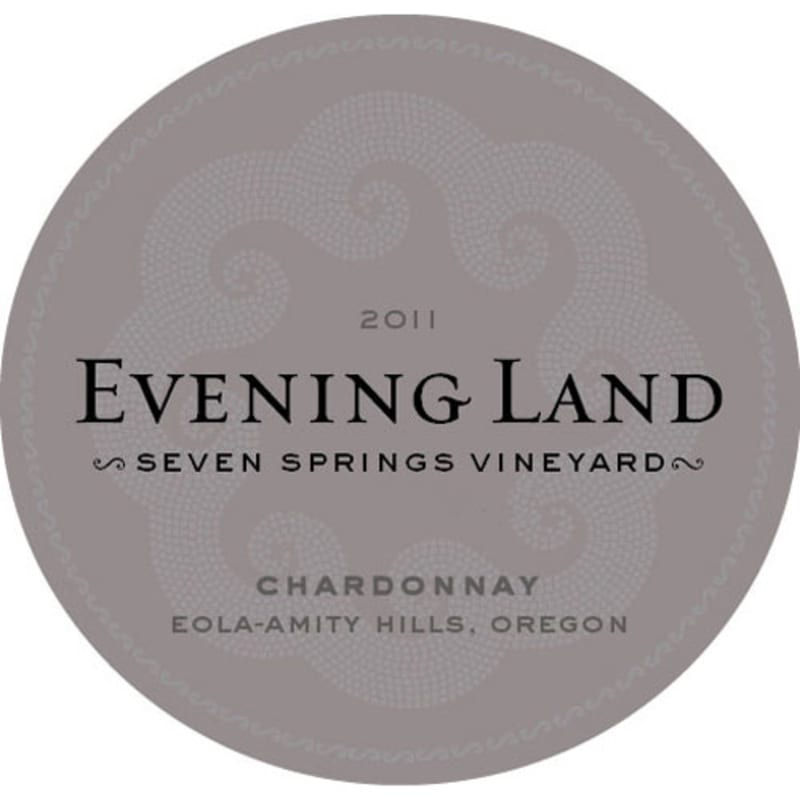
While there are only 346 cases of it, Evening Land’s 2011 Chardonnay Seven Springs Vineyard represents what will henceforth count as their intro-level white bottling, one whose volume will increase as young, newly planted, and about-to-be-planted estate vines (including in a new section adjacent to Bethel Heights) come on-line. White peach, apricot, and quince make for a lusciously fruity impression that is in turn wreathed in honeysuckle and heliotrope; laced with brightly juicy, enlivening lime and orange; bedded on a silken, creamy pillow; and suffused with saliva-liberating salinity in a long, lip-smacking, “could we please do that again!” finish. And this is from young vines (albeit, note, of considerable clonal diversity)! Of course, Dominique Lafon knows a thing or two about Chardonnay. And I have every reason to believe in the special talents of both Isabelle Meunier and Seven Springs terroir. But this wonderful wine is still simply a poster child for something that should by now have become evident, namely that some of the world’s most deliciously distinctive and complex Chardonnays already do – and in future, increasingly will – come from Oregon’s Willamette Valley. What’s more, this represents one fine value by international standards for its cepage, or indeed any other.
-
Wine Enthusiast
Good, crisp flavors of melon and pineapple are the focus here. The acidity keeps the wine fresh and lively, and a light touch of caramel runs through the palate pleasing finish.
-
Wine Spectator
Light, tangy and juicy, with pear and lemon curd flavors, coming together intensely and harmoniously on the finish.


One of the most popular and versatile white wine grapes, Chardonnay offers a wide range of flavors and styles depending on where it is grown and how it is made. While it tends to flourish in most environments, Chardonnay from its Burgundian homeland produces some of the most remarkable and longest lived examples. California produces both oaky, buttery styles and leaner, European-inspired wines. Somm Secret—The Burgundian subregion of Chablis, while typically using older oak barrels, produces a bright style similar to the unoaked style. Anyone who doesn't like oaky Chardonnay would likely enjoy Chablis.

Running north to south, adjacent to the Willamette River, the Eola-Amity Hills AVA has shallow and well-drained soils created from ancient lava flows (called Jory), marine sediments, rocks and alluvial deposits. These soils force vine roots to dig deep, producing small grapes with great concentration.
Like in the McMinnville sub-AVA, cold Pacific air streams in via the Van Duzer Corridor and assists the maintenance of higher acidity in its grapes. This great concentration, combined with marked acidity, give the Eola-Amity Hills wines—namely Pinot noir—their distinct character. While the region covers 40,000 acres, no more than 1,400 acres are covered in vine.