

Winemaker Notes
Professional Ratings
-
Decanter
A fine example of mineral and zesty Assyrtiko, made from 60-year-old vines. In fact, the precise blend is 90% Assyrtiko, 5% Aidani, 5% Athiri. It’s hard to imagine this as a Chablis alternative from the climate perspective, but in taste (lime, lemon and pears) and concentration they are surprisingly close.

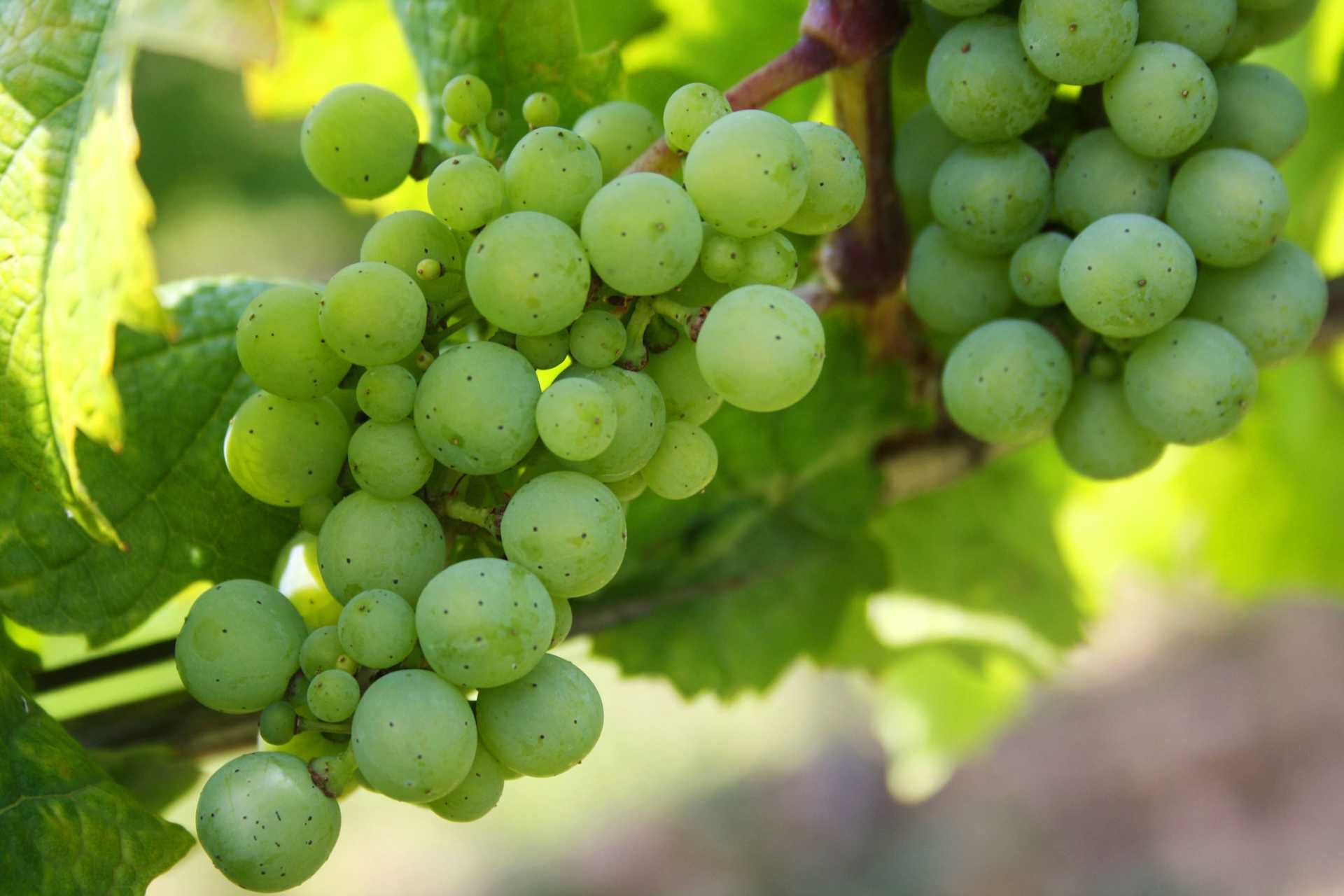
With hundreds of white grape varieties to choose from, winemakers have the freedom to create a virtually endless assortment of blended white wines. In many European regions, strict laws are in place determining the set of varieties that may be used in white wine blends, but in the New World, experimentation is permitted and encouraged. Blending can be utilized to enhance balance or create complexity, lending different layers of flavors and aromas. For example, a variety that creates a soft and full-bodied white wine blend, like Chardonnay, would do well combined with one that is more fragrant and naturally high in acidity. Sometimes small amounts of a particular variety are added to boost color or aromatics. Blending can take place before or after fermentation, with the latter, more popular option giving more control to the winemaker over the final qualities of the wine.
