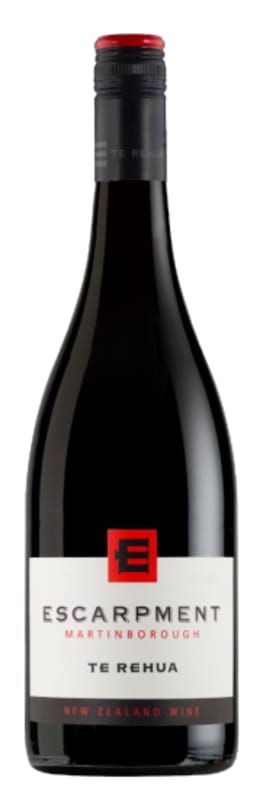


Winemaker Notes
A unique site derived complexity and texture combined with black cherry and plum fruit along with tight savoury nuances of forest floor, black tea and licorice. The inclusion of stems gives the wine aromatic lift and the firm tannins are a hallmark of this block.
It will compliment roast meats, game and charcuterie.
Professional Ratings
-
James Suckling
A juicy and savory 2021 with dried strawberry, meat, mineral and earth undertones. Medium to full body. Chewy tannins and layered. Slightly smoky at the end. Charcoal. Very drinkable but better in 2025.
-
Wine Enthusiast
This is a Pinot set for the long haul and it needs time in a decanter now to show its true personality. It's meaty with a sanguine tinge. There are raspberry, plum, dried violet and cola nuances amid heaps of savory spice. On the palate, fine, spicy tannins are taut and chiseled, but there's lovely freshness and fruit character here, too. Best to leave this at least another year or two. Drink from 2025–2033.
Cellar Selection -
Robert Parker's Wine Advocate
The 2021 Te Rehua Pinot Noir has got sensational mid-palate weight and clarity. It is pleasurable and spicy, littered with satsuma plum, hints of goji berry, pomegranate molasses and even a slather of black olive tapenade. It's in a really great place right now.
-
Wine Spectator
Leads with fresh, juicy cherry and strawberry flavors on a muscular body, with black tea, forest floor and aromatic details of black pepper, rose petal, sarsaparilla and white pepper. Gains momentum on the finish. Drink now through 2031.


Thin-skinned, finicky and temperamental, Pinot Noir is also one of the most rewarding grapes to grow and remains a labor of love for some of the greatest vignerons in Burgundy. Fairly adaptable but highly reflective of the environment in which it is grown, Pinot Noir prefers a cool climate and requires low yields to achieve high quality. Outside of France, outstanding examples come from in Oregon, California and throughout specific locations in wine-producing world. Somm Secret—André Tchelistcheff, California’s most influential post-Prohibition winemaker decidedly stayed away from the grape, claiming “God made Cabernet. The Devil made Pinot Noir.”

Part of the Wairarapa region in the southern end of the country’s North Island, Martinborough is a bucolic appellation full of artisan, lifestyle wine producers. Above all else, their goals are to tend vineyards for low yields and create wines of supreme quality. Pinot noir is the main grape variety here, occupying over half of the land under vine.
Comparing topography, climate and soils, the region is nearly identical to Marlborough except that it produces top quality reds on the regular.