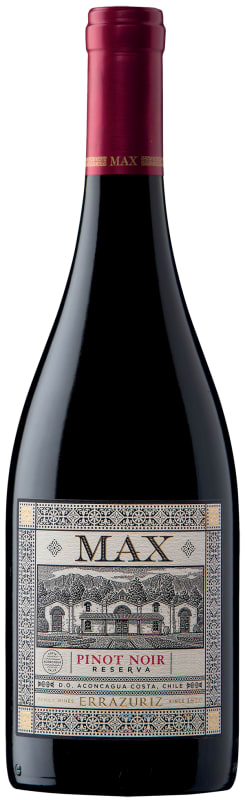


Winemaker Notes
Intense cherry red color with ruby highlights. On the nose, it is fruity, reminiscent of raspberry, blueberry and attractive notes of rose petal, plus a balsamic touch that adds complexity. On the palate, it is consistent with its nose where the fruit gives way later to balsamic and spicy notes plus a light toasted note that reminds of its time in the French oak barrels.
Professional Ratings
-
James Suckling
This has a swathe of fresh, spicy French oak, making an impressively complex impression on the nose with plenty of fragrant, red florals and cherries. The palate has a very succulent feel with attractively fresh fruit pop. Special 150th anniversary edition.


Thin-skinned, finicky and temperamental, Pinot Noir is also one of the most rewarding grapes to grow and remains a labor of love for some of the greatest vignerons in Burgundy. Fairly adaptable but highly reflective of the environment in which it is grown, Pinot Noir prefers a cool climate and requires low yields to achieve high quality. Outside of France, outstanding examples come from in Oregon, California and throughout specific locations in wine-producing world. Somm Secret—André Tchelistcheff, California’s most influential post-Prohibition winemaker decidedly stayed away from the grape, claiming “God made Cabernet. The Devil made Pinot Noir.”

The Aconcagua River runs east from the charming costal town of Valparaiso and bisects the land creating the valley after which it was named. While alluvial soils predominate the Aconcagua Valey along its river throughout, its east-west flow creates drastically different conditions on each of its ends. Its western, seaside vineyards, with clay and stony soils upon gently rolling hills, produce cool-climate varieties such as Sauvignon Blanc, Chardonnay and Pinot Noir. Its inner region is one of Chile’s hottest and produces some of its best red wines. Panquehue in the inner Aconcagua is the site of Chile’s first Syrah vines, planted in 1993.