


Winemaker Notes
Starting off with savory roasted meats and herbs, the 2020 Estate Blend opens up to reveal juicy black cherry, black licorice, vanilla, violets, tar, and graphite flavors as it first flows across the upper palate. At the same time, lots of firm, thick tannins impact a more linear and serious structure to the wine, heralding the gifts cellar age will bring. Seven varieties harmonize in this wine to create a lasting impression of the unique terroir of Epoch's Paderewski Vineyard.
Blend: 46% Syrah, 24% Grenache, 11% Mourvèdre, 11% Tempranillo, 5% Graciano, 2% Zinfandel, 1% Carignan
Professional Ratings
-
Jeb Dunnuck
The 2020 Estate Blend is brilliant, and I'd put it up with the top wines in the vintage. A blend of 46% Syrah, 24% Grenache, and smaller portions of Mourvèdre, Tempranillo, Graciano, Zinfandel, and Carignan, it has a pure, layered bouquet of black and blue fruits, peppery herbs, and spring flowers that carries to a medium to full-bodied, seamless red with beautiful tannins and a great finish. It's also one of the larger production wines in the lineup as well, so don't miss it.
-
Vinous
Black raspberry, dried flowers and white pepper form the 2020 Estate Blend's inviting bouquet. This is soft and soothing on the palate. Crisp red and black fruits cascade throughout, underpinned by saline mineral tones that drench the senses. The 2020 finishes incredibly long and staining with fine-grain tannins. Licorice traces slowly fade. In 2020, the estate blend is all Paderewski vineyard fruit, as York Mountain was more heavily affected by smoke.
-
Wine Enthusiast
Dark and intense aromas of blackberry and French toast spice make for a lush entry to the nose of this blend of 46% Syrah, 24% Grenache, 11% Mourvèdre, 11% Tempranillo, 5% Graciano, 2% Zinfandel and 1% Carignan. The palate's dark berry and caramel flavors are hedonistic and wrapped in thick tannins.


With hundreds of red grape varieties to choose from, winemakers have the freedom to create a virtually endless assortment of blended red wines. In many European regions, strict laws are in place determining the set of varieties that may be used, but in the New World, experimentation is permitted and encouraged resulting in a wide variety of red wine styles. Blending can be utilized to enhance balance or create complexity, lending different layers of flavors and aromas. For example, a red wine blend variety that creates a fruity and full-bodied wine would do well combined with one that is naturally high in acidity and tannins. Sometimes small amounts of a particular variety are added to boost color or aromatics. Blending can take place before or after fermentation, with the latter, more popular option giving more control to the winemaker over the final qualities of the wine.
How to Serve Red Wine
A common piece of advice is to serve red wine at “room temperature,” but this suggestion is imprecise. After all, room temperature in January is likely to be quite different than in August, even considering the possible effect of central heating and air conditioning systems. The proper temperature to aim for is 55° F to 60° F for lighter-bodied reds and 60° F to 65° F for fuller-bodied wines.
How Long Does Red Wine Last?
Once opened and re-corked, a bottle stored in a cool, dark environment (like your fridge) will stay fresh and nicely drinkable for a day or two. There are products available that can extend that period by a couple of days. As for unopened bottles, optimal storage means keeping them on their sides in a moderately humid environment at about 57° F. Red wines stored in this manner will stay good – and possibly improve – for anywhere from one year to multiple decades. Assessing how long to hold on to a bottle is a complicated science. If you are planning long-term storage of your reds, seek the advice of a wine professional.
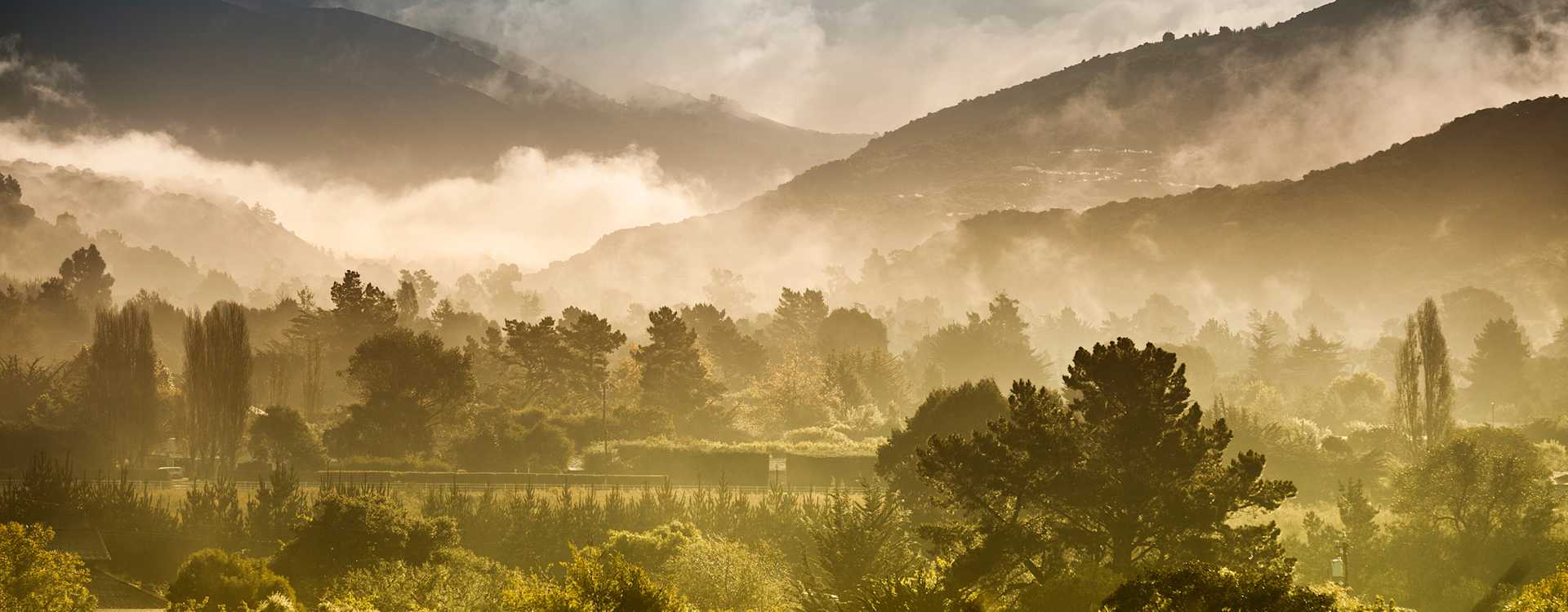
Growing on high elevation bedrock slopes, the vineyards of Paso Robles Willow Creek AVA sit at between 960 and 1,900 feet in elevation.