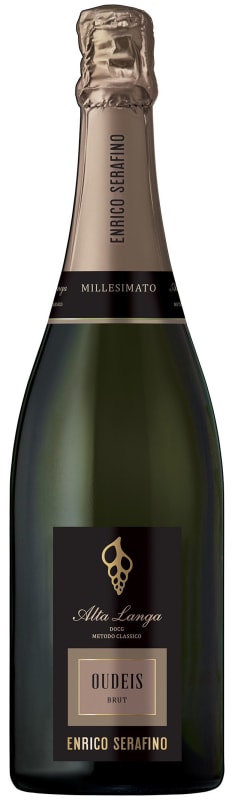


Winemaker Notes
Excellent as an aperitif, recommended with fish and shell- fish dishes and also all through the meal.
Blend: 85% Pinot Noir, 15% Chardonnay
Professional Ratings
-
Wine Spectator
An elegant sparkler, with a refined mousse. Offers well-honed acidity and a salty underpinning enmeshed with a lovely range of yellow peach, grapefruit granita, crushed lemon thyme and white blossom notes. Pinot Noir and Chardonnay. Drink now through 2029. 6,600 cases made, 600 cases imported.
-
Vinous
The 2019 Brut Oudeis, from Alta Langa, is remarkably pretty, with a delicate blend of peaches and young mango complicated by hints of incense and spice. This displays round, soothing textures and juicy acidity with a core of tart orchard fruits that add a lovely tension toward the close. It finishes with medium length, leaving a twang of sour citrus and a steely minerality that adds a tactile touch. The 2019 is beautifully crafted and displays incredible balance. Well done. The Oudeis is a blend of 80% Pinot Noir and 20% Chardonnay. (Lot# L/LC15A1)
-
Wine & Spirits
Enrico Serafino began making traditional-method sparkling wines at his Roero estate in 1878, and the winery was instrumental in the creation of the Alta Langa DOC in 2002. Oudeis, a blend of pinot noir with 15 percent of chardonnay, offers an elegant balance of tangy citrus and green apple flavors in a lush, pearly texture, with a refreshing saline finish.


Representing the topmost expression of a Champagne house, a vintage Champagne is one made from the produce of a single, superior harvest year. Vintage Champagnes account for a mere 5% of total Champagne production and are produced about three times in a decade. Champagne is typically made as a blend of multiple years in order to preserve the house style; these will have non-vintage, or simply, NV on the label. The term, "vintage," as it applies to all wine, simply means a single harvest year.

Set upon a backdrop of the visually stunning Alps, the enchanting and rolling hills of Piedmont are the source of some of the country’s longest-lived and most sought-after red wines. Vineyards cover a great majority of the land area—especially in Barolo—with the most prized sites at the top hilltops or on south-facing slopes where sunlight exposure is maximized. Piedmont has a continental climate with hot, humid summers leading to cold winters and precipitation year-round. The reliable autumnal fog provides a cooling effect, especially beneficial for Nebbiolo, Piedmont’s most prestigious variety.
In fact, Nebbiolo is named exactly for the arrival of this pre-harvest fog (called “nebbia” in Italian), which prolongs cluster hang time and allows full phenolic balance and ripeness. Harvest of Nebbiolo is last among Piedmont's wine varieties, occurring sometime in October. This grape is responsible for the exalted Piedmont wines of Barbaresco and Barolo, known for their ageability, firm tannins and hallmark aromas of tar and roses. Nebbiolo wines, despite their pale hue, pack a pleasing punch of flavor and structure; the best examples can require about a decade’s wait before they become approachable. Barbaresco tends to be more elegant in style while Barolo is more powerful. Across the Tanaro River, the Roero region, and farther north, the regions of Gattinara and Ghemme, also produce excellent quality Nebbiolo.
Easy-going Barbera is the most planted grape in Piedmont, beloved for its trademark high acidity, low tannin and juicy red fruit. Dolcetto, Piedmont’s other important red grape, is usually ready within a couple of years of release.
White wines, while less ubiquitous here, should not be missed. Key Piedmont wine varieties include Arneis, Cortese, Timorasso, Erbaluce and the sweet, charming Muscat, responsible for the brilliantly recognizable, Moscato d'Asti.