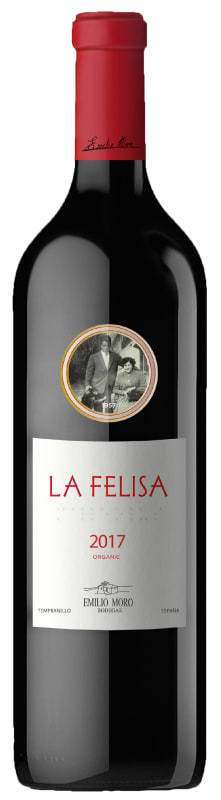


Winemaker Notes
At first it highlights the density of color, a very deep layer and a ripe cherry red color very bright. In the nose dominate the aromas of fine red wine in its purest and primary version, with hints of black fruits, violet and licorice. There are also pastry notes such as toffee and vanilla. In the mouth it is intense, with a marked but mature tannin and a long aftertaste.
Made from Organic Grapes. Vegan.Professional Ratings
-
Wine Enthusiast
Aromas of raspberry, roast grape tomato and cedar chest emanate from this black cherry colored wine. Bright fruit flavors of pomegranate and cherry fill the palate alongside notes of white chocolate, orange zest and caramel. Sturdy tannins take their time on the tongue before dropping off into a Valencia orange and toasted almond finish.
-
James Suckling
A fresh and fruity red with dark-berry, floral and lemon-peel flavors. Medium body, round texture and a flavorful finish. Always delicious and juicy. From organically grown grapes.
-
Wine Spectator
This red is muscular and angular. Rich, ripe flavors of blackberry, fig paste, black olive and graphite mingle over chewy tannins, energized by racy acidity. Has concentration, but lacks balance for now.
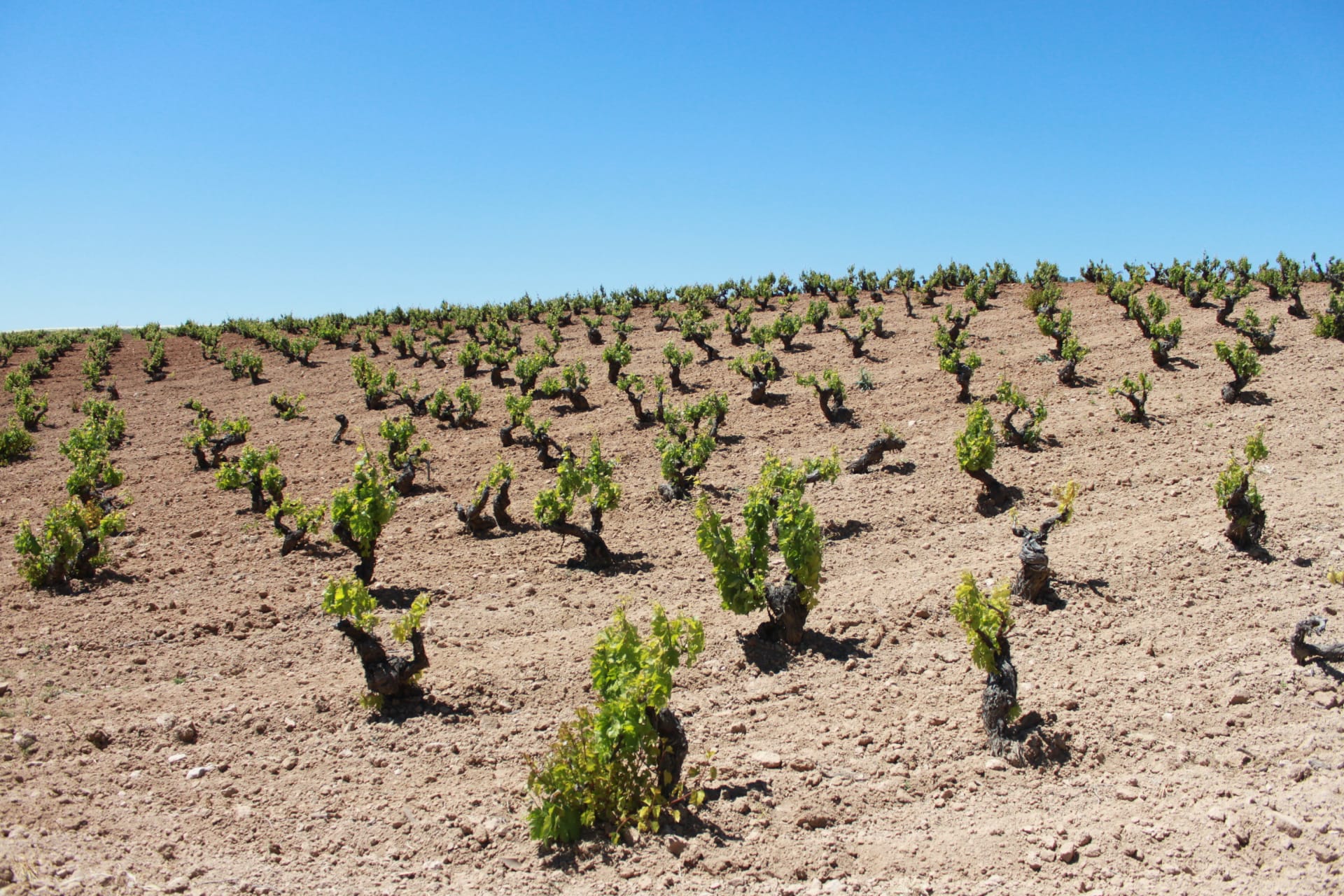






Bodegas Emilio Moro is one of the oldest leading quality producers in Ribera del Duero. The history of the family goes back 3 generations. 1st generation Emilio Moro was born in 1891 and 2nd generation Emilio Moro in 1932. Both were born in a viticulture environment surrounded by vineyards and grew up treading grapes and racking wine in their native village of Pesquera de Duero, in the province of Valladolid.
Emilio Moro taught his son, Emilio how to make wine but also to love it. Then Emilio passed along that knowledge, passion, and love for wine to the third generation. Currently the third and fourth generation together run the winery.
The vineyards were grafted with the purest clone of Tinto Fino, commonly known as Tempranillo, recovered from the oldest vineyards that the family owns, Valderramiro and Resalso. Currently the family owns more than 200 hectares. They are located between 2,400 to 3,000 feet of elevation.
The third generation lead by Javier, Rubi and Fabiola started the newest project of the family when they were looking to the area within Spain capable of producing the best white wine. They settled in Bierzo in 2016 and have been making wines there with Godello variety ever since.
“Wine is art. If you listen, it speaks to you, it tells you when it needs to rack, when to rest. It’s like a living being that needs to be understood and cared for”. D. Emilio Moro

Notoriously food-friendly, long-lasting and Spain’s most widely planted grape, Tempranillo is the star variety of red wines from Rioja and Ribera del Duero. The Rioja terms Joven, Crianza, Reserva and Gran Reserva indicate both barrel and bottle time before release. Traditionally blended in Rioja with Garnacha, plus a bit of Mazuelo (Carignan) and Graciano, the Tempranillo in Ribera del Duero typically stands alone. Somm Secret—Tempranillo claims many different names depending on location. In Penedès, it is called Ull de Llebre and in Valdepeñas, goes by Cencibel. Known as Tinta Roriz in Portugal, Tempranillo plays an important role in Port wine.

Ribera del Duero, Spanish wine region, is located in northen Spain’s Castilla y León region, just a 2-hour drive from Madrid. While winemaking in this area goes back more than 2000 years, it was in the 1980s that 9 wineries applied for and were granted Denominación de Origen (D.O.) status. Today, more than 300 wineries call Ribera del Duero home, including some of Spain’s most iconic names.
Notable Facts Ribera’s main grape variety, Tempranillo, locally know as Tinto Fino, is perfectly suited to the extreme climate of the region, where it must survive scorching summers and frigid winters. Low yields resulting from conscientious tending to old vines planted in Ribera’s diverse soils types, give Ribera wines a distinctive depth and complexity not found in other Tempranillos. Rich and full-bodied, the spice, dark fruit and smoky flavors in a bold Ribera del Duero will pair well with roasted and grilled meats, Mexican food and tomato-based sauces.