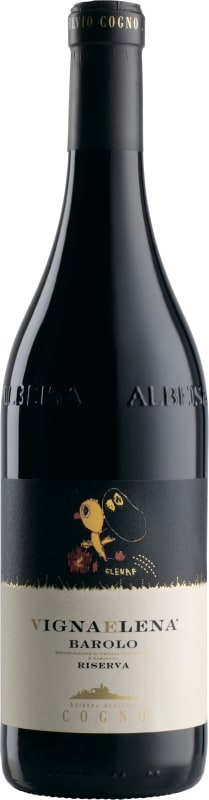


Winemaker Notes
Professional Ratings
-
Robert Parker's Wine Advocate
The 2012 Barolo Riserva Ravera Vigna Elena is a dark and savory wine that has already passed into the magical realm of its tertiary evolution. The bouquet is extremely fine and equally complex with dried berry, toasted spice, tar, forest floor and freshly shaved truffle. That truffle note gives the wine a lot of territorial identity and immense charm. The tannins have integrated and show a very fine and polished nature.
-
Wine & Spirits
Vigna Elena was the first vineyard Valter Fissore and Elvio Cogno planted, in 1991, named after Fissore’s daughter who was born the same year. They chose to plant the sandy soils of this 2.5-acre plot with nebbiolo rosé, which gives lighter-colored, floral-scented red reminiscent of pinot noir, one of Fissore’s favorite varieties. The long, slow 2012 growing season created a wine with complex aromas of rose, orange peel and raspberry. With notes of Rainier cherry that reverberate on the long, mineral finish, this wine is more about grace than power, with fine, chalky tannins that will allow it to age for at least a decade.
-
Wine Spectator
A powerful, muscular style, exhibiting concentrated cherry, plum and berry flavors, accented by herbs and tobacco, all framed by vivid acidity and beefy tannins. A bit brooding now, this should develop nicely over the next decade. Best from 2021 through 2045.
-
Wine Enthusiast
Truffle, new leather, wild berry, cooking spice and balsamic aromas lead the way on this full-bodied enticing red. On the smooth delicious palate, velvety tannins frame dried black cherry, raspberry compote, licorice and grilled herb. Best 2020–2028.
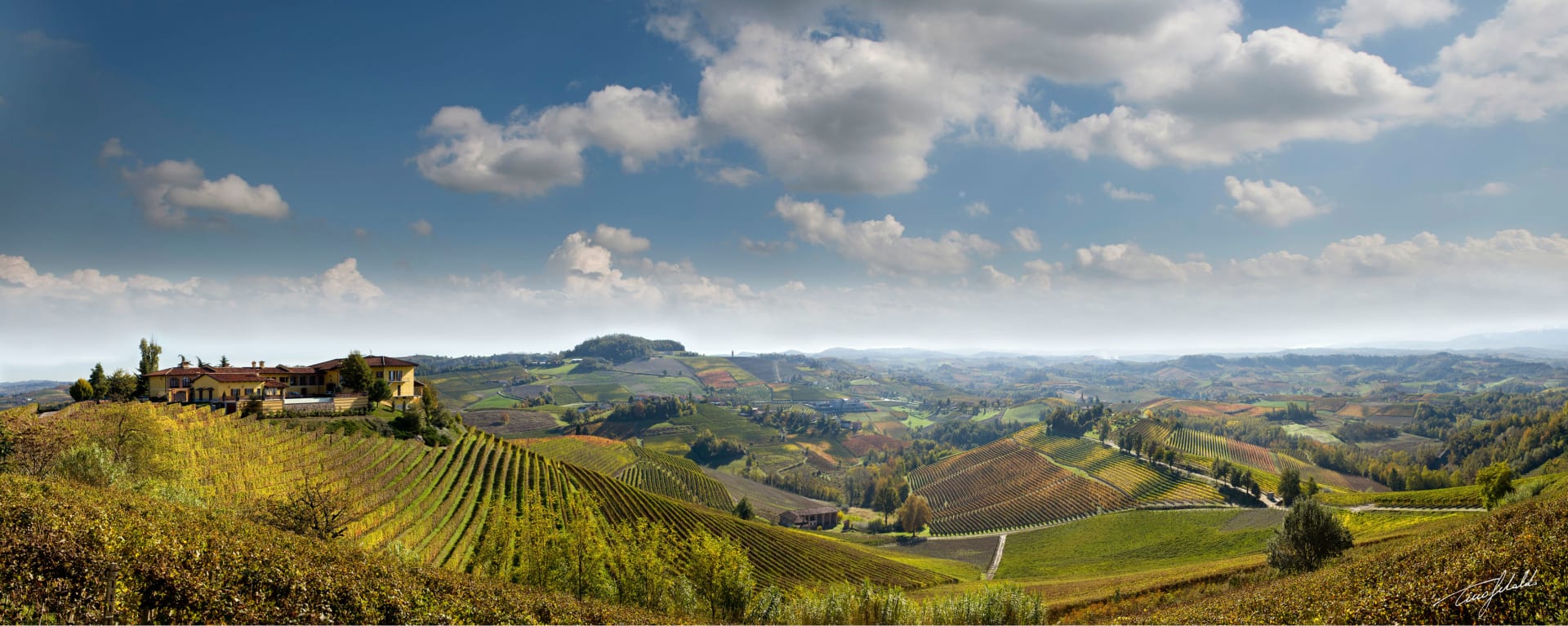


The Cogno family has been making wine for four generations in Piedmont. In 1990, Elvio Cogno left a long and fruitful partnership with the venerable Barolo producer Marcarini at La Morra and bought a splendid, historic 18th-century farmhouse on the top of Bricco Ravera, a hill near Novello in the Langhe area. (Novello is one of the 11 communes in which Barolo is produced.) The farm was surrounded by 11 hectares (27.18 acres) of steeply sloped vineyards. Elvio restored the manor, converted the old granaries to wine cellars and founded his eponymous winery. For the next 20 years he devoted himself to the winemaking traditions handed down to him by his father and grandfather.
Elvio, in turn, has now passed the torch to his daughter, Nadia, and her husband, Valter Fissore, who has worked beside Elvio for 25 years. Following in the footsteps of Elvio the maestro, Elvio Cogno winery continues to produce elegant wines without altering the traditions, styles and flavors of the Langhe, with its breathtaking quilted landscape and unique grape varieties.
The Elvio Cogno winery sits at the top of Bricco Ravera, a hill near Novello in the Langhe area of Piedmont, one of the 11 communes in which Barolo is produced. Ravera is the finest cru of Novello, encircling the top of the hill and the winery, reaching a 380-meter (1,246-foot) elevation, with breathtaking views in all directions.

Responsible for some of the most elegant and age-worthy wines in the world, Nebbiolo, named for the ubiquitous autumnal fog (called nebbia in Italian), is the star variety of northern Italy’s Piedmont region. Grown throughout the area, as well as in the neighboring Valle d’Aosta and Valtellina, it reaches its highest potential in the Piedmontese villages of Barolo, Barbaresco and Roero. Outside of Italy, growers are still very much in the experimentation stage but some success has been achieved in parts of California. Somm Secret—If you’re new to Nebbiolo, start with a charming, wallet-friendly, early-drinking Langhe Nebbiolo or Nebbiolo d'Alba.

The center of the production of the world’s most exclusive and age-worthy red wines made from Nebbiolo, the Barolo wine region includes five core townships: La Morra, Monforte d’Alba, Serralunga d’Alba, Castiglione Falletto and the Barolo village itself, as well as a few outlying villages. The landscape of Barolo, characterized by prominent and castle-topped hills, is full of history and romance centered on the Nebbiolo grape. Its wines, with the signature “tar and roses” aromas, have a deceptively light garnet color but full presence on the palate and plenty of tannins and acidity. In a well-made Barolo wine, one can expect to find complexity and good evolution with notes of, for example, strawberry, cherry, plum, leather, truffle, anise, fresh and dried herbs, tobacco and violets.
There are two predominant soil types here, which distinguish Barolo from the lesser surrounding areas. Compact and fertile Tortonian sandy marls define the vineyards farthest west and at higher elevations. Typically the Barolo wines coming from this side, from La Morra and Barolo, can be approachable relatively early on in their evolution and represent the “feminine” side of Barolo, often closer in style to Barbaresco with elegant perfume and fresh fruit.
On the eastern side of the Barolo wine region, Helvetian soils of compressed sandstone and chalks are less fertile, producing wines with intense body, power and structured tannins. This more “masculine” style comes from Monforte d’Alba and Serralunga d’Alba. The township of Castiglione Falletto covers a spine with both soil types.
The best Barolo wines need 10-15 years before they are ready to drink, and can further age for several decades.