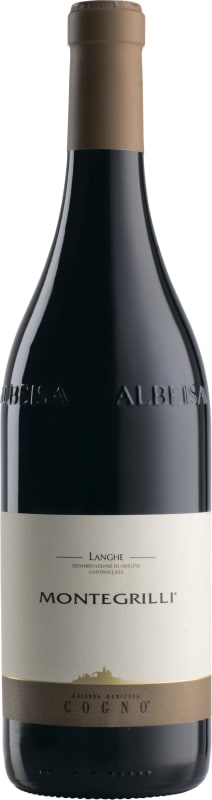


Winemaker Notes
Goes well with robust roasts and hard, well-aged cheeses.
Professional Ratings
-
Wine & Spirits
A lovely floral scent leads into fleshy red plum and bright cherry flavors undergirded by a hint of herbs. About 60 percent of this wine’s fruit undergoes carbonic maceration, lending brightness to the flavors and keeping the tannins mild. Wilson Daniels, St. Helena, CA
-
Wine Spectator
Enticing aromas of cherry, berry, licorice and floral pick up some density as this crosses the palate, where an earthy note emerges. Balanced and long. Drink now through 2020.


Responsible for some of the most elegant and age-worthy wines in the world, Nebbiolo, named for the ubiquitous autumnal fog (called nebbia in Italian), is the star variety of northern Italy’s Piedmont region. Grown throughout the area, as well as in the neighboring Valle d’Aosta and Valtellina, it reaches its highest potential in the Piedmontese villages of Barolo, Barbaresco and Roero. Outside of Italy, growers are still very much in the experimentation stage but some success has been achieved in parts of California. Somm Secret—If you’re new to Nebbiolo, start with a charming, wallet-friendly, early-drinking Langhe Nebbiolo or Nebbiolo d'Alba.

Even to this day, the Roero folklore lives on about witchcraft lurking behind its dramatic contours and obscure woods—but these stories only add to the region’s allure and charm. Actually today Roero winemakers are some of the most astute and motivated in Piedmont. While the white Arneis has attracted global attention for some time, now Roero Nebbiolo wines (elevated to the same DOCG status as Barolo and Barbaresco) are making a name for themselves. Keep an eye on any labeled with the vineyard, Valmaggiore, as Barolo producers have been investing here for years. If you’re looking for hidden gems, this is your region!