


Winemaker Notes
The 2022 Anas-Cëtta Nascetta di Novello expresses a remarkable complexity even in its most youthful phase: notes of fresh fruit and lovely aromas of grapefruit, cedar, and ginger are tied to intense aromas of white flowers, Mediterranean herbs and delicate mineral hints. Despite the warm and dry vintage, the palate shows unexpected crispness, which results in a sharp and dynamic wine, destined to evolve masterfully with the passing of time in the bottle.
Professional Ratings
-
Robert Parker's Wine Advocate
A wine like this adds an exciting splash of gold to a wine region that is celebrated for its ruby reds. Always refreshing, the Elvio Cogno 2022 Langhe Nascetta del Comune di Novello Anas-Cëtta offers an exciting change of pace with honeysuckle, white peach, apple and quince. There are salty hints of crushed mineral too. The wine shows medium body and enough textural density to pair with baked fish or white meat.
-
Jeb Dunnuck
Bottled two days ago. the 2022 Nascetta Del Comune Di Novello Anas-Cetta is exuberant with aromas of broth and tropical, herbal, and saline notes. Medium-bodied, with a lovely waxy viscosity, it reveals elements of saline and fresh pineapple, without feeling bloated or heavy. It has an Alpine sensibility, with a light bitter almond note on the finish as well as lime blossom and citrus. This fresh white would work over a broad spectrum of food pairings and could be a sommelier’s secret weapon.
Rating:92+ -
James Suckling
Aromas of fresh savory herbs, white flowers, lemon peel and sliced pears. Medium-bodied, vibrant and toned on the palate with crunchy acidity and a zesty, slightly phenolic edge to the finish.
-
Wine Spectator
This white is as fresh and clean as a mountain stream. Peach, white flower, sage and stony mineral flavors ride a wave of vibrant acidity to the long, salty finish. Drink now through 2029. 1,700 cases made, 800 cases imported.
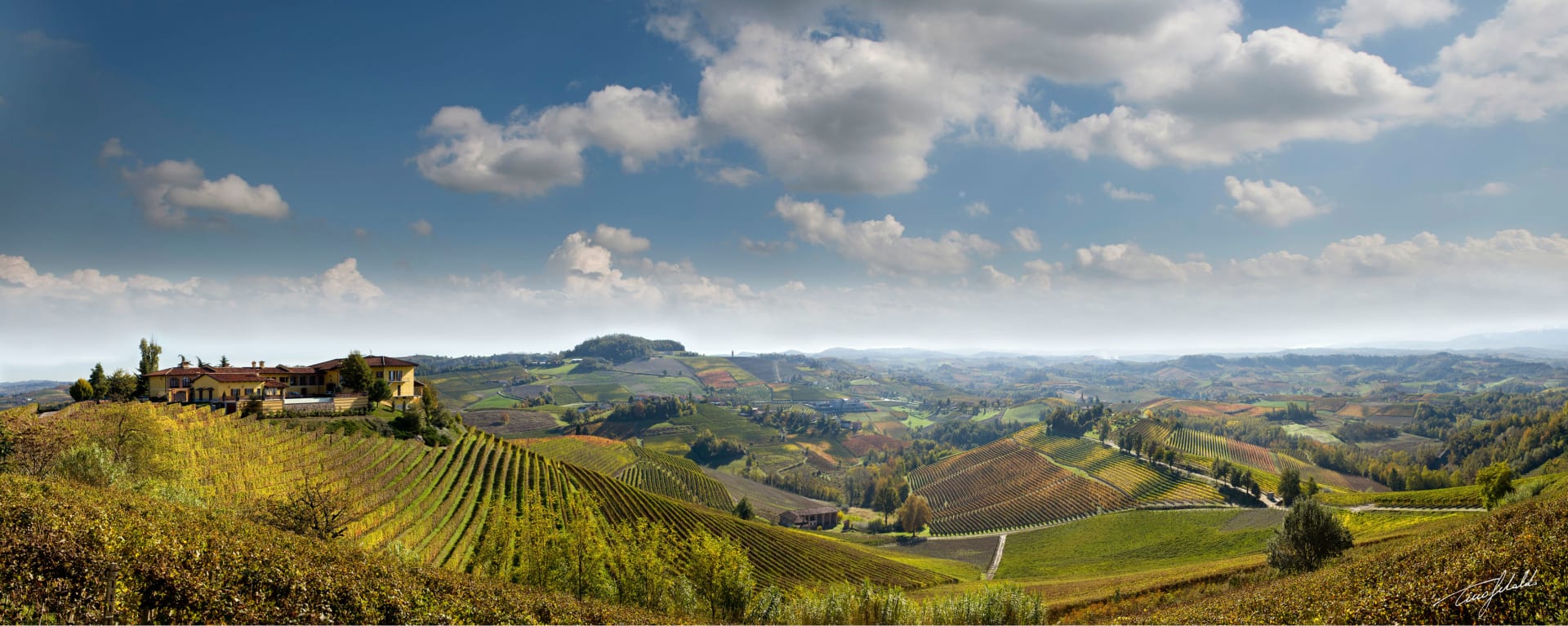


The Cogno family has been making wine for four generations in Piedmont. In 1990, Elvio Cogno left a long and fruitful partnership with the venerable Barolo producer Marcarini at La Morra and bought a splendid, historic 18th-century farmhouse on the top of Bricco Ravera, a hill near Novello in the Langhe area. (Novello is one of the 11 communes in which Barolo is produced.) The farm was surrounded by 11 hectares (27.18 acres) of steeply sloped vineyards. Elvio restored the manor, converted the old granaries to wine cellars and founded his eponymous winery. For the next 20 years he devoted himself to the winemaking traditions handed down to him by his father and grandfather.
Elvio, in turn, has now passed the torch to his daughter, Nadia, and her husband, Valter Fissore, who has worked beside Elvio for 25 years. Following in the footsteps of Elvio the maestro, Elvio Cogno winery continues to produce elegant wines without altering the traditions, styles and flavors of the Langhe, with its breathtaking quilted landscape and unique grape varieties.
The Elvio Cogno winery sits at the top of Bricco Ravera, a hill near Novello in the Langhe area of Piedmont, one of the 11 communes in which Barolo is produced. Ravera is the finest cru of Novello, encircling the top of the hill and the winery, reaching a 380-meter (1,246-foot) elevation, with breathtaking views in all directions.

There are hundreds of white grape varieties grown throughout the world. Some are indigenous specialties capable of producing excellent single varietal wines. Each has its own distinct viticultural characteristics, as well as aroma and flavor profiles.

Set upon a backdrop of the visually stunning Alps, the enchanting and rolling hills of Piedmont are the source of some of the country’s longest-lived and most sought-after red wines. Vineyards cover a great majority of the land area—especially in Barolo—with the most prized sites at the top hilltops or on south-facing slopes where sunlight exposure is maximized. Piedmont has a continental climate with hot, humid summers leading to cold winters and precipitation year-round. The reliable autumnal fog provides a cooling effect, especially beneficial for Nebbiolo, Piedmont’s most prestigious variety.
In fact, Nebbiolo is named exactly for the arrival of this pre-harvest fog (called “nebbia” in Italian), which prolongs cluster hang time and allows full phenolic balance and ripeness. Harvest of Nebbiolo is last among Piedmont's wine varieties, occurring sometime in October. This grape is responsible for the exalted Piedmont wines of Barbaresco and Barolo, known for their ageability, firm tannins and hallmark aromas of tar and roses. Nebbiolo wines, despite their pale hue, pack a pleasing punch of flavor and structure; the best examples can require about a decade’s wait before they become approachable. Barbaresco tends to be more elegant in style while Barolo is more powerful. Across the Tanaro River, the Roero region, and farther north, the regions of Gattinara and Ghemme, also produce excellent quality Nebbiolo.
Easy-going Barbera is the most planted grape in Piedmont, beloved for its trademark high acidity, low tannin and juicy red fruit. Dolcetto, Piedmont’s other important red grape, is usually ready within a couple of years of release.
White wines, while less ubiquitous here, should not be missed. Key Piedmont wine varieties include Arneis, Cortese, Timorasso, Erbaluce and the sweet, charming Muscat, responsible for the brilliantly recognizable, Moscato d'Asti.