
Winemaker Notes
These flavors combined with the eleven months the wine spent in small French oak barrels and a complete malo-lactic fermentation has given the wine roundness, complexity, and finesse. The winemakers allow little oxidation during processing, and this gives the wine freshness and life. A delicious white wine from one of America's premium viticultural areas!
The growing season in 1997 was slightly warmer than average this Chardonnay has excellent fruit flavors that has popular appeal, yet it has excellent balance and aging potential. This wine is delicious now and has enough fruit and balanced acidity to age a number of years with cool cellaring.
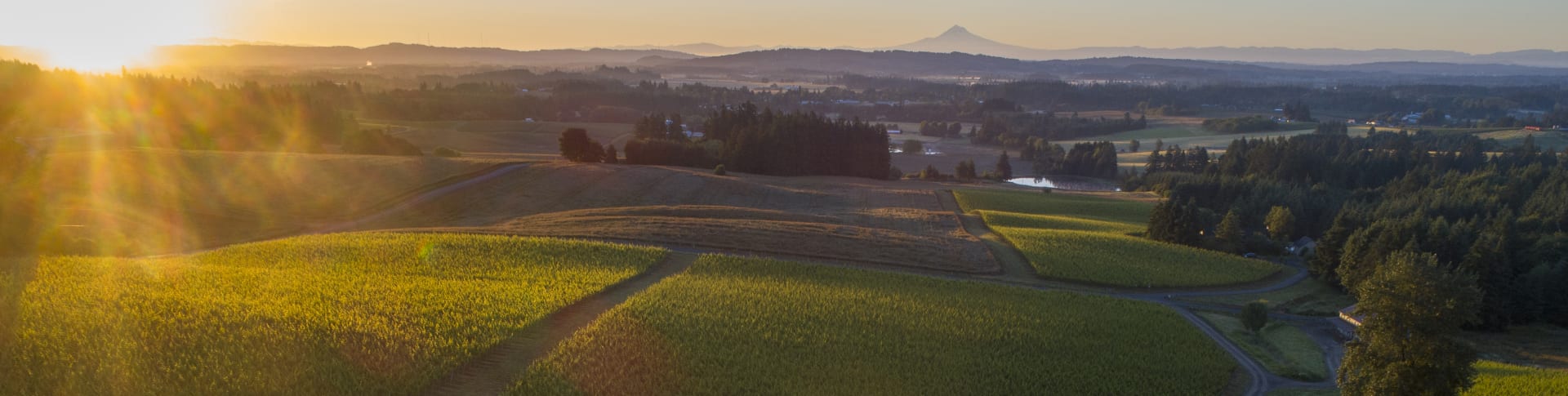


One of the founding wineries of the Willamette Valley, family-owned and operated Elk Cove Vineyards was the first vineyard in what is now the Yamhill-Carlton AVA. Second-generation Owner/Winemaker and fifth-generation Oregon farmer Adam Campbell sources fruit from Elk Cove's six 100% estate-grown, sustainably farmed vineyard sites located across the northern Willamette Valley, specializing in Pinot Noir and cool-climate white wines. Elk Cove is named for the local herd of Roosevelt elk and the protective bowl shape of the property. Its tasting room is tucked into the foothills of the Coast Range, with spectacular views of the surrounding vineyards and mountains.

One of the most popular and versatile white wine grapes, Chardonnay offers a wide range of flavors and styles depending on where it is grown and how it is made. While it tends to flourish in most environments, Chardonnay from its Burgundian homeland produces some of the most remarkable and longest lived examples. California produces both oaky, buttery styles and leaner, European-inspired wines. Somm Secret—The Burgundian subregion of Chablis, while typically using older oak barrels, produces a bright style similar to the unoaked style. Anyone who doesn't like oaky Chardonnay would likely enjoy Chablis.

A large and geographically diverse AVA capable of producing a wide variety of wine styles, the Columbia Valley AVA is home to 99% of Washington state’s total vineyard area. A small section of the AVA even extends into northern Oregon!
Because of its size, it is necessarily divided into several distinctive sub-AVAs, including Walla Walla Valley and Yakima Valley—which are both further split into smaller, noteworthy appellations. A region this size will of course have varied microclimates, but on the whole it experiences extreme winters and long, hot, dry summers. Frost is a common risk during winter and spring. The towering Cascade mountain range creates a rain shadow, keeping the valley relatively rain-free throughout the entire year, necessitating irrigation from the Columbia River. The lack of humidity combined with sandy soils allows for vines to be grown on their own rootstock, as phylloxera is not a serious concern.
Red wines make up the majority of production in the Columbia Valley. Cabernet Sauvignon is the dominant variety here, where it produces wines with a pleasant balance of dark fruit and herbs. Wines made from Merlot are typically supple, with sweet red fruit and sometimes a hint of chocolate or mint. Syrah tends to be savory and Old-World-leaning, with a wide range of possible fruit flavors and plenty of spice. The most planted white varieties are Chardonnay and Riesling. These range in style from citrus and green apple dominant in cooler sites, to riper, fleshier wines with stone fruit flavors coming from the warmer vineyards.