


Winemaker Notes
Brilliant, intensive yellow is the color of our white blend Beyond the Clouds. In the nose, a complex, beguiling play of aromas unfurls with fruity nuances of exotic fruits such as pineapple, notes of blossoms and flowers, of rose petals and light toast aromas. Dense and complex, the wine enthuses on the palate: with fullness and structure, creamily soft and elegant, stimulatingly fresh and juicy with a discreetly incorporated, modest note of wood and a long reverberation of taste.
Professional Ratings
-
James Suckling
Restrained aromas of almost unripe apricots and lemon leaves with white pepper and jasmine. Full-bodied, it shines with structure, zesty acidity and weight, showing cedar flavors and a tight, almost biting, yet balanced finish. Drink or hold.
-
Wine Spectator
A graceful white, with a sleek, poised feel to the interplay of vivid acidity and concentrated flavors of golden apple, pineapple and tangerine fruit, baking spices, spun honey and hazelnut. Aromatic and enticing, with jasmine and lime blossom notes wafting through the wine and on the salty, mineral-laced finish. Drink now through 2037. 1,200 cases made.
-
Robert Parker's Wine Advocate
A blend of 80% Chardonnay plus various complementary fragrant varietals, the Elena Walch 2022 Alto Adige Beyond the Clouds is a wine with a medium- to full-bodied texture and pretty layers of sweet peach, honey and passion fruit. This hot vintage is a little more opulent and exuberant than most.
-
Vinous
The 2022 Grande Cuvée Beyond the Clouds is intense, with a smoky burst of mineral and stone giving way to sweet sage and crushed nectarines. It is balanced within, cooling and lifted, seeming to hover across the senses with ripe orchard fruits complicated by a saline tinge and nuances of candied citrus. This lingers long, structured, with cheek-pinching tension and hints of raw almond that fade slowly. The 2022 shows a riper character than usual, yet still needs time to integrate. Rating: 93+

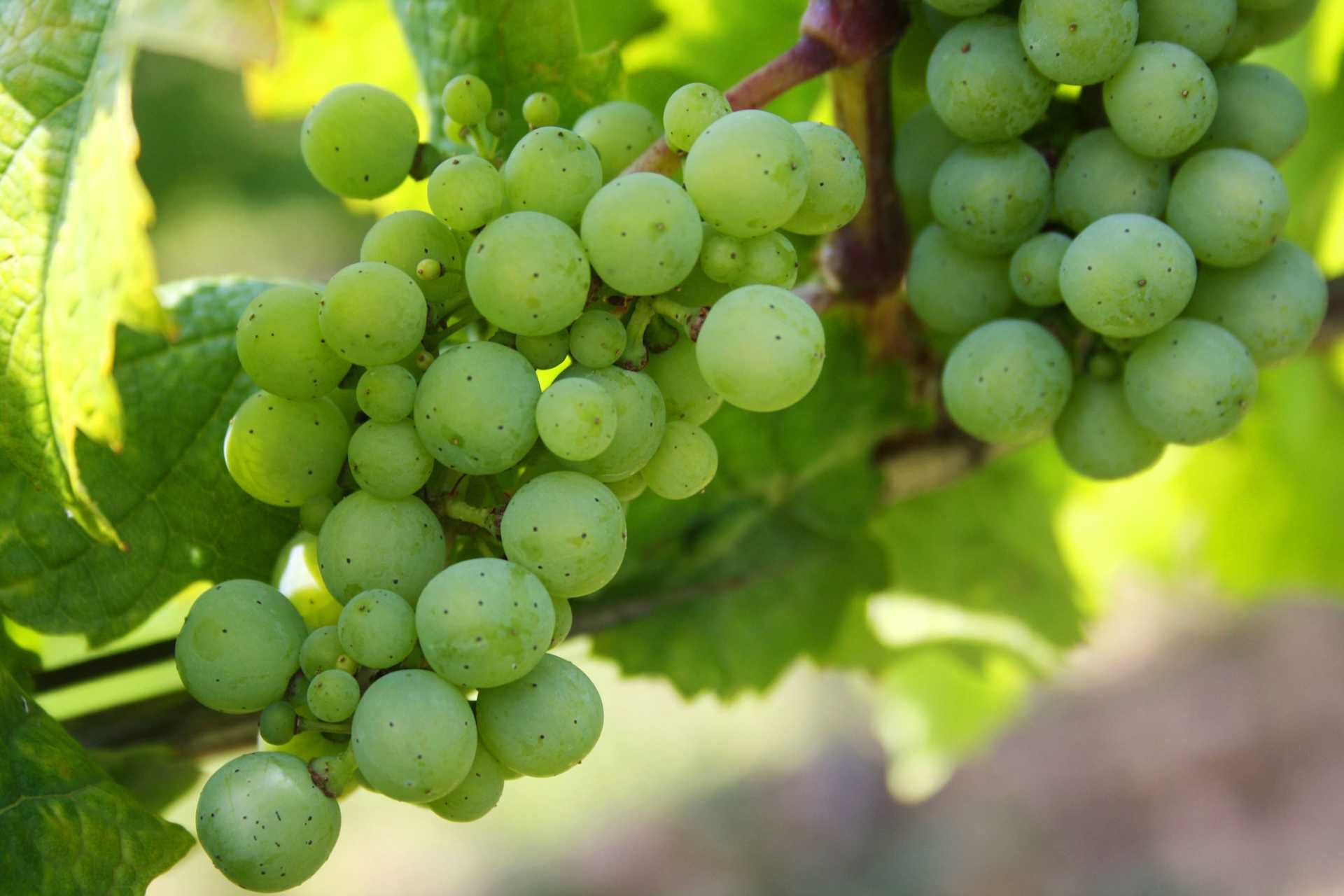
With hundreds of white grape varieties to choose from, winemakers have the freedom to create a virtually endless assortment of blended white wines. In many European regions, strict laws are in place determining the set of varieties that may be used in white wine blends, but in the New World, experimentation is permitted and encouraged. Blending can be utilized to enhance balance or create complexity, lending different layers of flavors and aromas. For example, a variety that creates a soft and full-bodied white wine blend, like Chardonnay, would do well combined with one that is more fragrant and naturally high in acidity. Sometimes small amounts of a particular variety are added to boost color or aromatics. Blending can take place before or after fermentation, with the latter, more popular option giving more control to the winemaker over the final qualities of the wine.
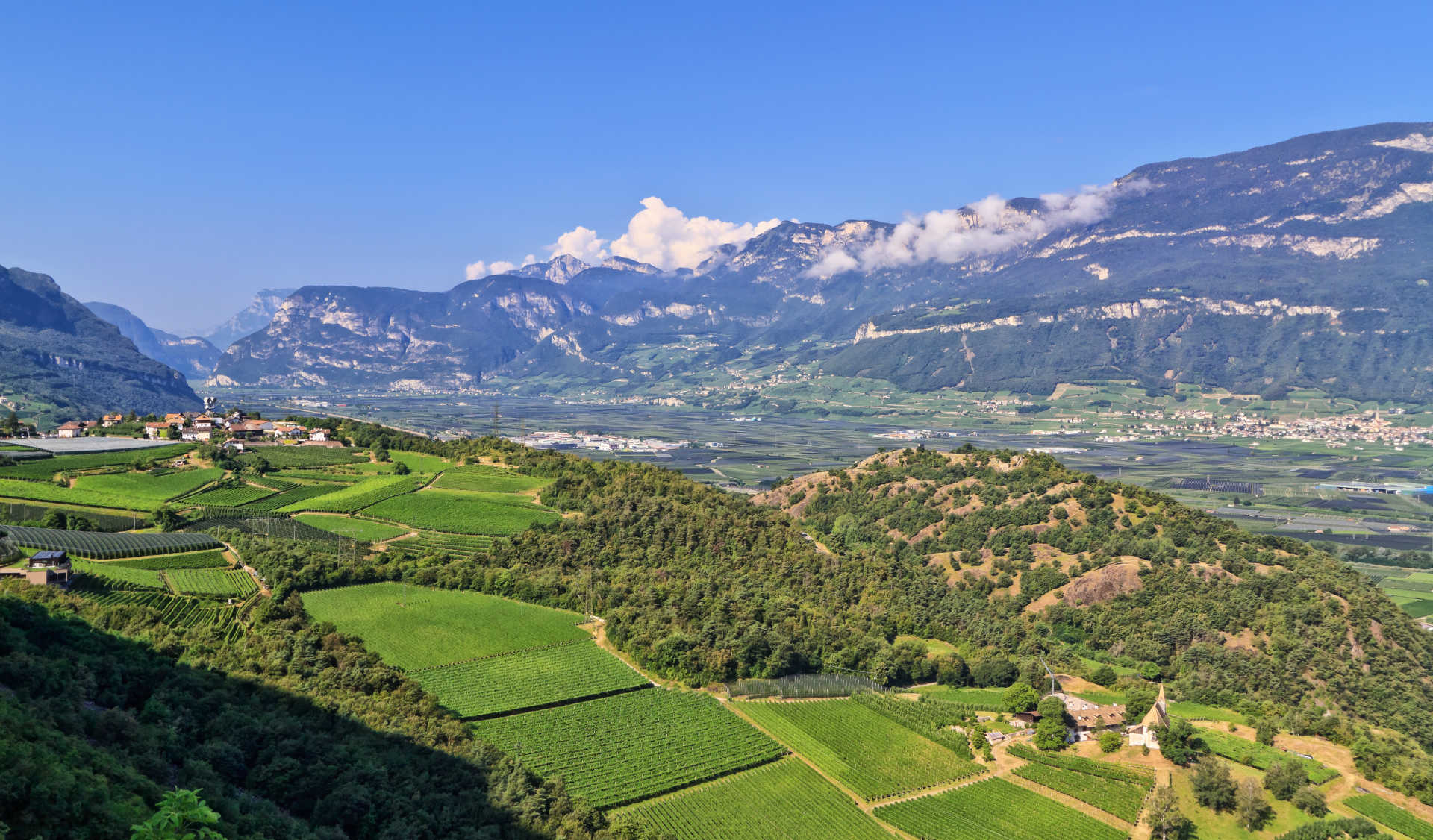
A mountainous northern Italian region heavily influenced by German culture, Trentino-Alto Adige is actually made up of two separate but similar regions: Alto Adige and Trentino.
Trentino, the southern half, is primarily Italian-speaking and largely responsible for the production of non-native, international grapes. There is a significant quantity of Chardonnay, Pinot Grigio and Merlot produced. But Trentino's native and most unique red variety, Teroldego, while still rare, is gaining popularity. It produces a deeply colored red wine rich in wild blackberry, herb, coffee and cocoa.
The rugged terrain of German-speaking Alto Adige (also referred to as Südtirol) focuses on small-scale viticulture, with great value placed on local varieties—though international varieties have been widely planted since the 1800s. Sheltered by the Alps from harsh northerly winds, many of the best vineyards are at extreme altitude but on steep slopes to increase sunlight exposure.
Dominant red varieties include the bold, herbaceous Lagrein and delicate, strawberry-kissed, Schiava, in addition to some Pinot Nero.
The primary white grapes are Pinot grigio, Gewürztraminer, Chardonnay and Pinot blanc, as well as smaller plantings of Sauvignon blanc, Müller Thurgau. These tend to be bright and refreshing with crisp acidity and just the right amount of texture. Some of the highest quality Pinot grigio in Italy is made here.