

Winemaker Notes
Professional Ratings
-
Robert Parker's Wine Advocate
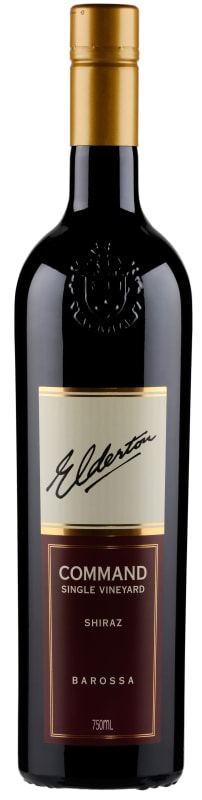
The 2002 Command Shiraz has shades of the 1992 tasted in this vertical; it is silky, fresh, fine and long, with eminent balance and finesse on the palate. I love how this wine is shaped and performs, and it shows real elegance among the obvious horsepower of the fruit. It's very, very impressive. The closure helps, as the wine was sealed under screw cap. 14.5% alcohol. According to Elderton and the Barossa Valley Grape and Wine Association, 2002 was a textbook vintage that avoided the highs and lows of temperature and rainfall extremes. A very cool, moist 2001 growing season assured good budburst and a long Indian summer of moderate daytime temperatures and cool nights led to gradual, even ripening. A warmer than average autumn led to optimal color and flavor intensity—a great finish. It was an excellent year for Barossa Valley Shiraz, Cabernet and Grenache. Rating: 97+
-
Wine Spectator
Rich, dense and velvety, distinctive for its blueberry, boysenberry and spice flavors, shaded with subtle cocoa and tar notes, lingering beautifully on the subtle, generous finish.


Marked by an unmistakable deep purple hue and savory aromatics, Syrah makes an intense, powerful and often age-worthy red. Native to the Northern Rhône, Syrah achieves its maximum potential in the steep village of Hermitage and plays an important component in the Red Rhône Blends of the south, adding color and structure to Grenache and Mourvèdre. Syrah is the most widely planted grape of Australia and is important in California and Washington. Sommelier Secret—Such a synergy these three create together, the Grenache, Syrah, Mourvedre trio often takes on the shorthand term, “GSM.”

The Barossa Zone encompasses the Barossa Valley and Eden Valley. Some of the oldest vines in Australia can be found here.
Barossa Valley of course is the most important and famous wine growing region in all of Australia where 140+ year-old, dry-farmed Shiraz vines still produce inky, purple and dense juice for some of Australia's best wines.
In the cooler, wetter Eden Valley sub-region, the Hill of Grace vineyard is home to famous Shiraz vines from the 1800s but the region produces also some of Australia’s very best and age-worthy Rieslings.