
Winemaker Notes
Professional Ratings
-
Wine Enthusiast
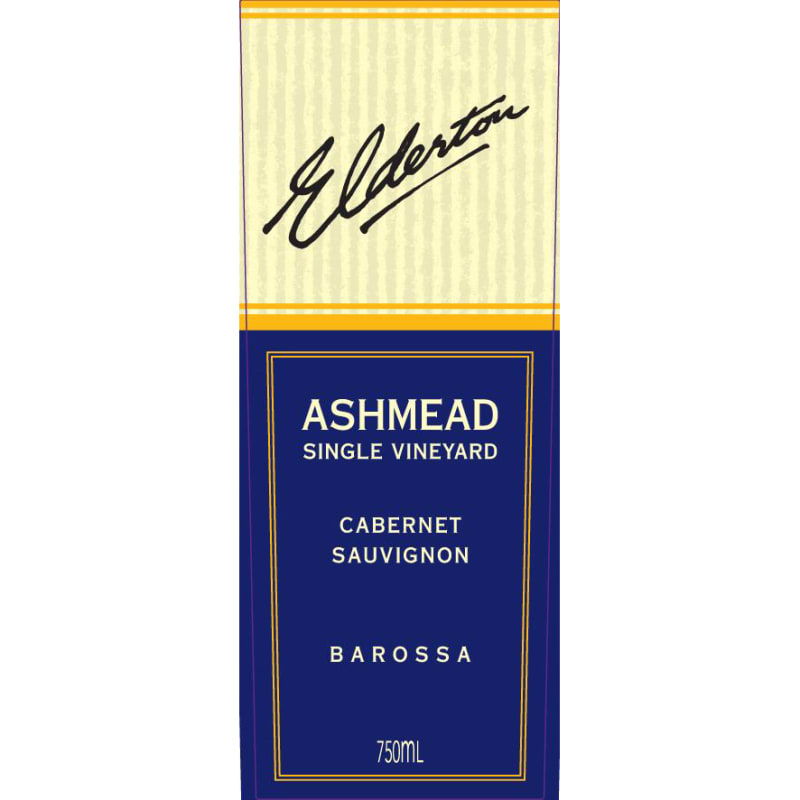
Past vintages of Elderton wines have been heavily oaked, and this wine is no exception—plenty of cedary, vanilla-laden aromas burst from the glass. But they're well balanced by crisp cassis flavors that turn chocolaty on the finish, where they also pick up a hint of tobacco.
-
Robert Parker's Wine Advocate
There was no 2003 produced, but the backward, primary 2004 Cabernet Sauvignon Ashmead is loaded with potential. Its inky/ruby/purple hue is followed by aromas of vanilla, barbecue smoke, roasted meats, creme de cassis, and new leather. This dense, rich, powerful effort requires 3-4 years of bottle age, and should last for 15-20 years.
Rating: 91+


A noble variety bestowed with both power and concentration, Cabernet Sauvignon enjoys success all over the globe, its best examples showing potential to age beautifully for decades. Cabernet Sauvignon flourishes in Bordeaux's Medoc where it is often blended with Merlot and smaller amounts of some combination of Cabernet Franc, Malbecand Petit Verdot. In the Napa Valley, ‘Cab’ is responsible for some of the world’s most prestigious, age-worthy and sought-after “cult” wines. Somm Secret—DNA profiling in 1997 revealed that Cabernet Sauvignon was born from a spontaneous crossing of Cabernet Franc and Sauvignon Blanc in 17th century southwest France.

The Barossa Zone encompasses the Barossa Valley and Eden Valley. Some of the oldest vines in Australia can be found here.
Barossa Valley of course is the most important and famous wine growing region in all of Australia where 140+ year-old, dry-farmed Shiraz vines still produce inky, purple and dense juice for some of Australia's best wines.
In the cooler, wetter Eden Valley sub-region, the Hill of Grace vineyard is home to famous Shiraz vines from the 1800s but the region produces also some of Australia’s very best and age-worthy Rieslings.