


Winemaker Notes
El Enemigo Semillón is light, creamy, and refreshing. It displays aromas of tropical fruit, spice, honey, acacia flowers, and vanilla. The rich palate boasts flavors of lemon, apricot, toasted nuts, and minerality. Certified Sustainable by Bodegas de Argentina.
Enjoy El Enemigo Semillón with mushroom risotto, goat cheese salad, or meatier fish like halibut, swordfish, or tuna.
Professional Ratings
-
Vinous
The 2021 Sémillon comes from a high-density vineyard in Agrelo, Luján de Cuyo. It aged for 15 months in used French oak barrels, 35% with a delicate veil of flor. Yellow in the glass with a golden sheen. The nose presents inviting honey, chamomile, cashew and hazelnut aromas against a creamed corn backdrop. The palate has a dry, compact character with a freshness provided by the flor contrasting the grape's natural volume. Ends with a nuanced finish of oak and nut.
-
Wine Enthusiast
This is a delicious example of Argentine Sémillon that shows depth and balance. The nose offers almond and white flowers followed by zesty notes. It’s enjoyable and fresh on the creamy palate, delivering chamomile and lemons. Stone fruit and wood spices are also included in the mix of flavors.



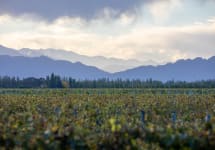
The wines of El Enemigo are a tribute to those internal battles that make us who we are. Winemaker Alejandro Vigil and historian Adrianna Catena reach back in time to capture the era when European immigrants first settled in Argentina. These settlers sought to make wines as good as or finer than those of their old homelands. By 1936, Malbec and Petit Verdot were Argentina’s most widely planted varietals, and their blend was considered the ultimate in refinement and aging potential.
Enemigo thrives in the thrill of experimentation and delights in the new and unconventional. It was born from a desire to carve a unique path and a shared obsession with terroir—each bottle an unfettered song to the wild, free-spirited soul. The wines reflect the freshness and character of each individual vineyard: a pure expression of terroir.

Sémillon has the power to create wines with considerable structure, depth and length that will improve for several decades. It is the perfect partner to the vivdly aromatic Sauvignon Blanc. Sémillon especially shines in the Bordeaux region of Sauternes, which produces some of the world’s greatest sweet wines. Somm Secret—Sémillon was so common in South Africa in the 1820s, covering 93% of the country’s vineyard area, it was simply referred to as Wyndruif, or “wine grape.”

By far the largest and best-known winemaking province in Argentina, Mendoza is responsible for over 70% of the country’s enological output. Set in the eastern foothills of the Andes Mountains, the climate is dry and continental, presenting relatively few challenges for viticulturists during the growing season. Mendoza, divided into several distinctive sub-regions, including Luján de Cuyo and the Uco Valley, is the source of some of the country’s finest wines.
For many wine lovers, Mendoza is practically synonymous with Malbec. Originally a Bordelaise variety brought to Argentina by the French in the mid-1800s, here it found success and renown that it never knew in its homeland where a finicky climate gives mixed results. Cabernet Sauvignon, Syrah, Merlot and Pinot Noir are all widely planted here as well (and sometimes even blended with each other or Malbec). Mendoza's main white varieties include Chardonnay, Torrontés, Sauvignon Blanc and Sémillon.