


Winemaker Notes
Gran Enemigo presents aromas of ripe black fruits with hints of vanilla and chocolate. The structured mouthfeel, persistent tannins, and natural acidity lead into an exceptionally long finish. Certified Sustainable by Bodegas de Argentina.
Gran Enemigo pairs well with grilled meat, cheese, or slow roasted beef dishes.
Professional Ratings
-
James Suckling
Glossy, stemmy sour cherries, tapenade and white pepper with a nice touch of sauerkraut, cocoa powder, warm stone minerality and herbs. Fleshy and fresh on the medium- to full-bodied palate with succulent fruit, spices and lots of fine, chalky tannins that dissolve into a long, naturally rendered finish.
-
Robert Parker's Wine Advocate
The blend of the 2019 Gran Enemigo changed to 40% Malbec, 25% Cabernet Franc, 25% Cabernet Sauvignon, 5% Merlot and 5% Petit Verdot from Gualtallary, in a year when they used less Malbec and more Cabernet. It has restrained 13.5% alcohol and an incredibly balanced palate, very tasty and juicy, with impressive herbal notes intermixed with ripe berries. If there's something these wines don't have, it's sweetness. They are austere and complete, serious and designed for the long run.
-
Wine Enthusiast
This is an elegant Cabernet Franc with 15% Malbec. Coming from Gualtallary’s limestone soils, it has a fine chalky texture and saline notes. Delicate aromas of rosemary, graphite and wild berries dance on the nose. The fresh palate exhibits a blend of herbs, blackberries and a hint of balsamic. Sip it slowly, as it continues to evolve in the glass.
-
Wine Spectator
Slow to reveal itself, this medium-bodied blend offers a subtle floral undercurrent to the vibrant core of boysenberry, adding pepper and spice details. Delivers just enough acidity and tannins for a balanced structure.



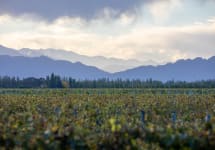
The wines of El Enemigo are a tribute to those internal battles that make us who we are. Winemaker Alejandro Vigil and historian Adrianna Catena reach back in time to capture the era when European immigrants first settled in Argentina. These settlers sought to make wines as good as or finer than those of their old homelands. By 1936, Malbec and Petit Verdot were Argentina’s most widely planted varietals, and their blend was considered the ultimate in refinement and aging potential.
Enemigo thrives in the thrill of experimentation and delights in the new and unconventional. It was born from a desire to carve a unique path and a shared obsession with terroir—each bottle an unfettered song to the wild, free-spirited soul. The wines reflect the freshness and character of each individual vineyard: a pure expression of terroir.

With hundreds of red grape varieties to choose from, winemakers have the freedom to create a virtually endless assortment of blended red wines. In many European regions, strict laws are in place determining the set of varieties that may be used, but in the New World, experimentation is permitted and encouraged resulting in a wide variety of red wine styles. Blending can be utilized to enhance balance or create complexity, lending different layers of flavors and aromas. For example, a red wine blend variety that creates a fruity and full-bodied wine would do well combined with one that is naturally high in acidity and tannins. Sometimes small amounts of a particular variety are added to boost color or aromatics. Blending can take place before or after fermentation, with the latter, more popular option giving more control to the winemaker over the final qualities of the wine.
How to Serve Red Wine
A common piece of advice is to serve red wine at “room temperature,” but this suggestion is imprecise. After all, room temperature in January is likely to be quite different than in August, even considering the possible effect of central heating and air conditioning systems. The proper temperature to aim for is 55° F to 60° F for lighter-bodied reds and 60° F to 65° F for fuller-bodied wines.
How Long Does Red Wine Last?
Once opened and re-corked, a bottle stored in a cool, dark environment (like your fridge) will stay fresh and nicely drinkable for a day or two. There are products available that can extend that period by a couple of days. As for unopened bottles, optimal storage means keeping them on their sides in a moderately humid environment at about 57° F. Red wines stored in this manner will stay good – and possibly improve – for anywhere from one year to multiple decades. Assessing how long to hold on to a bottle is a complicated science. If you are planning long-term storage of your reds, seek the advice of a wine professional.

By far the largest and best-known winemaking province in Argentina, Mendoza is responsible for over 70% of the country’s enological output. Set in the eastern foothills of the Andes Mountains, the climate is dry and continental, presenting relatively few challenges for viticulturists during the growing season. Mendoza, divided into several distinctive sub-regions, including Luján de Cuyo and the Uco Valley, is the source of some of the country’s finest wines.
For many wine lovers, Mendoza is practically synonymous with Malbec. Originally a Bordelaise variety brought to Argentina by the French in the mid-1800s, here it found success and renown that it never knew in its homeland where a finicky climate gives mixed results. Cabernet Sauvignon, Syrah, Merlot and Pinot Noir are all widely planted here as well (and sometimes even blended with each other or Malbec). Mendoza's main white varieties include Chardonnay, Torrontés, Sauvignon Blanc and Sémillon.