


Winemaker Notes
A selection of 4 barrels were called out for Eden Rift's Reserve Chardonnay. All from block A, the fruit was hand-harvested at night on the first day of october. At the winery, the grapes were whole-cluster pressed with the resulting juice transferred to a holding tank for cold-settling. Following 24 hours of settling the juice was racked to French oak barrels (25% new) for fermentation. Fermented on native yeast, the wine was aged "sue-lie" for over 10 months before being bottled.
Professional Ratings
-
Jeb Dunnuck
Lots of stone fruits, orange blossom, green almond, and lemon curd notes emerge from the 2018 Chardonnay Reserve, another lively, elegant Chardonnay from this estate. It benefits from air and is going to evolve for 4-6 years.
-
Wine Enthusiast
A rather opulent style of Chardonnay aged on 25% new French oak, this reserve bottling offers buttered peach, macadamia nut, light butterscotch and a hint of lemon zest on the nose. The palate is toasty with baked apple and blistered almond flavors, which are cut by zesty lemon peel leading into a pecan finish.
-
Robert Parker's Wine Advocate
The 2018 Chardonnay Reserve comes from the coolest section of the 130 planted acres at Eden Rift, and was aged in 25% new French oak. Its aromas unfold slowly to baked apples, pie crust and sweet spices with an undercurrent of salted almonds and stone. The medium-bodied palate is broad and juicy, with understated flavors and a mineral-driven finish.




Named one of Wine & Spirits Magazines Top 100 Wineries of 2023
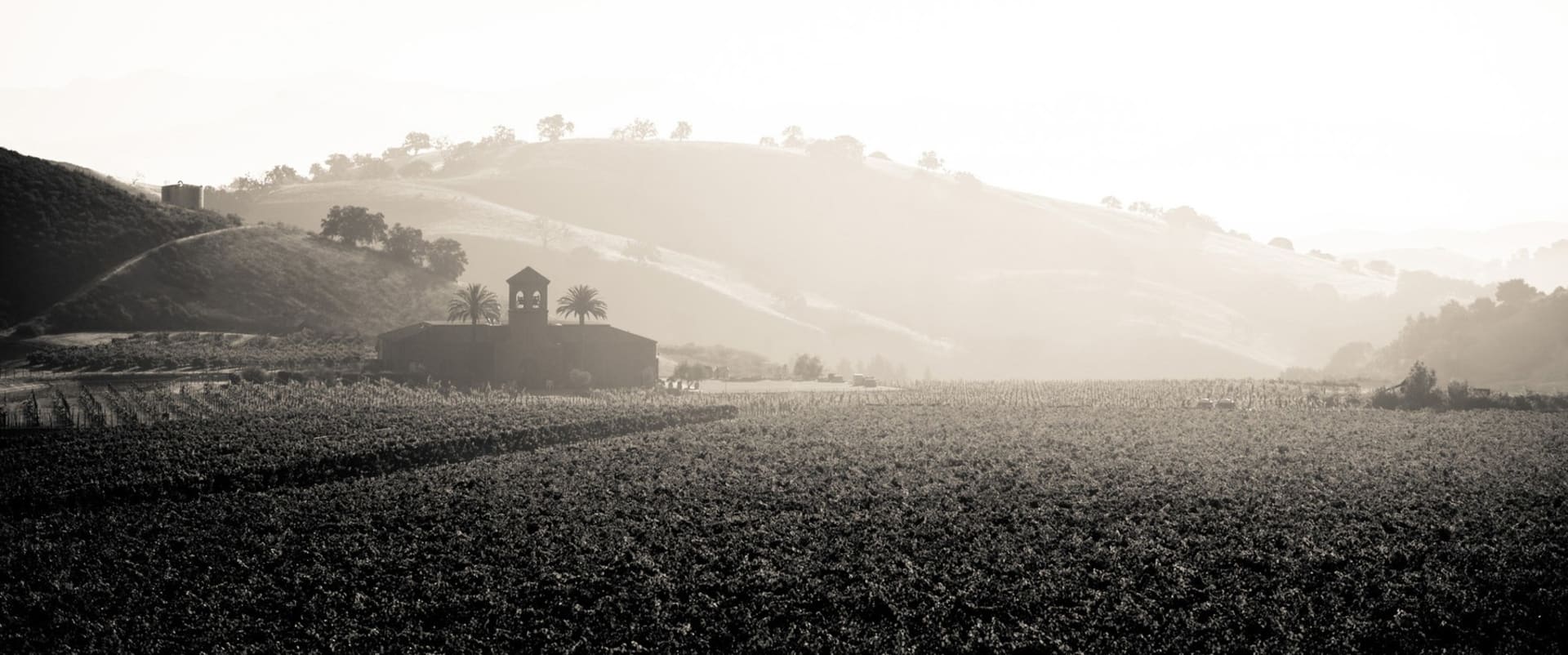
In the careful hands of early pioneers when California was still under Mexico’s flag, Eden Rift is one of the oldest continually operating estates in the US and is home to some of the earliest New World Pinot Noir plantings in 1861. The property’s first vineyards were planted in 1849 by a Bordeaux wine merchant. As the estate came into new ownership, the wines produced swept national and international competitions. Since then, the estate has changed hands several times, at one point producing wines under the label Valliant, belonging to the internationally known Hiram Walker House.
Today, the current proprietor of the estate, Christian Pillsbury, lives in the Dickinson House, a residence on the property fenced in by original Zinfandel plantings from 1906. Drawn to purchase the estate because of a personal connection, Pillsbury sees himself as chaperone of a place deeply important to the lineage of California wine. Before purchasing, Christian and his team researched the property’s daily temperature rhythms, soil, wind patterns and macro and micro climates to find the winery’s main focus, which has come to be Pinot Noir and Chardonnay. In addition to wine, the Eden Rift Estate also houses a granite stone mill that produces certified organic olive oil and is open to neighboring wineries for use on their own olive oil production.
With Christian’s vision in toe, he teamed up with venerable winemaker, Cory Waller. Cory is no stranger to American Pinot Noir, having studied under Napa’s Tony Soter and Oregon’s Josh Bergstrom and Jim Prosser. He was also assistant winemaker at the iconic California winery, Calera. Cory is well suited to the uber local project. Born and raised nearby, he boasts local farmers, ranchers and fishermen as some of his closest friends. His winemaking style limits intervention while focusing in the vineyard on vine stress and low yields. Since Christian’s purchase, Eden Rift has received attention from both local and National publications in its first two vintages.

California’s most praised white wine, Chardonnay is also the state’s most planted white grape variety. Diverse terrain and microclimates allow for an incredible range of wine styles.
Chardonnay planted in the cooler, coastal zones takes on bright characteristics like lemon zest, key lime, green apple and wet flint. For this style, look to the chilly Sonoma Coast, Carneros, Santa Cruz Mountains, Santa Lucia Highlands and Edna Valley.
The inland zones of California’s coast, such as the Russian River, Sonoma, Napa and Livermore Valleys maintain a more Goldilocks-esque climate where both styles go. Early picking retains acidity and creates a leaner style but leaving the grapes to hang creates an approachable Chardonnay, balancing richness and finesse.
Chardonnay also plays a major part in the sparkling wine production of the Anderson Valley and Carneros.