


Winemaker Notes
The wine has a silky smooth texture with red and blue tones in the bouquet. Aromas of rose buds, raspberry, and chalky clay exude from the glass. These notes stay true on the palate as flavors of Bing cherry, earth, cherry pit and oak carry through.
Blend: 100% Pinot Noir
Professional Ratings
-
James Suckling
A fantastic pinot with an electric finish of chalk and salt with ripe-strawberry and strawberry-pie flavors. Full-bodied and tight. Fresh and minerally. Hints of asphalt and earth come through.
-
Robert Parker's Wine Advocate
The 2018 Pinot Noir Palmtag Block comes from own-rooted, Mt. Eden clone vines planted in 1988, later grafted over from Merlot to Pinot Noir. Pale ruby-purple, it has savory notions of charcuterie, earth, tar and citrus peel with ripe red and black berries. The medium-bodied palate is silky, concentrated and seamlessly fresh, loaded with earthy nuances and finishing long and flavorful. Lovely!
-
Wine & Spirits
Composed of a fair bit of Mt. Eden clone, this wine is cool and dark when first poured, the oak playing a leading role at present, though with air that starts to recede. On the palate the wine remains foresty and a touch savory, the dark cherry and strawberry flavors borne with a mouthcoating richness. Impressive.
-
Wine Enthusiast
Boiled raspberry and pomegranate aromas meet with rose petals on the nose of this bottling, which pays homage to one of the historic property's former owners. The palate is cohesive in flavor and structure, offering raspberry and sagebrush flavors.
-
Jeb Dunnuck
All from the Mt. Eden clone of Pinot Noir, from vines planted in 1989, the 2018 Pinot Noir Palmtag Block gives up a savory, complex nose of mulled black cherries, red currants, dried flowers, orange zest, and loamy earth. This carries to a medium-bodied, elegant Pinot Noir with nicely integrated acidity, present yet silky tannins, and a great finish. This is another classically elegant, complex Pinot Noir that's going to evolve nicely for at least 7-8 years.
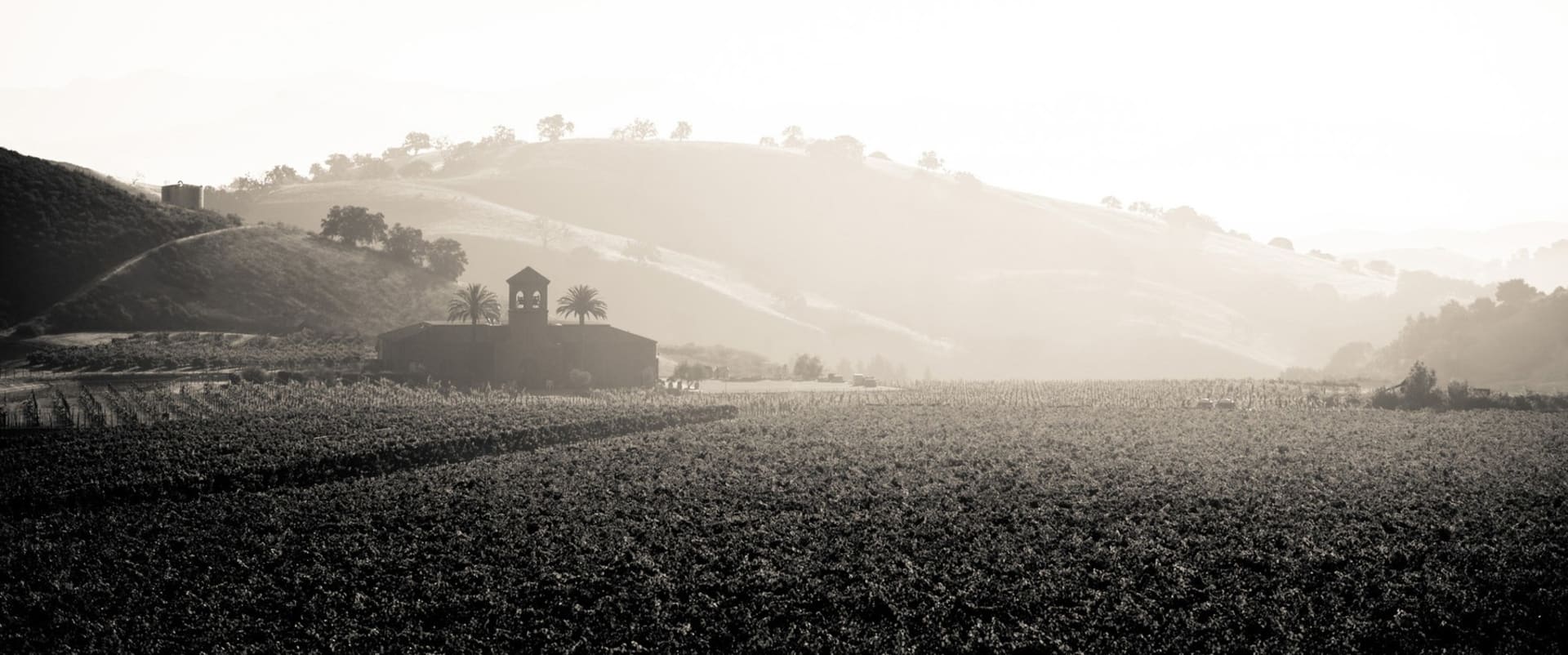




Named one of Wine & Spirits Magazines Top 100 Wineries of 2023
In the careful hands of early pioneers when California was still under Mexico’s flag, Eden Rift is one of the oldest continually operating estates in the US and is home to some of the earliest New World Pinot Noir plantings in 1861. The property’s first vineyards were planted in 1849 by a Bordeaux wine merchant. As the estate came into new ownership, the wines produced swept national and international competitions. Since then, the estate has changed hands several times, at one point producing wines under the label Valliant, belonging to the internationally known Hiram Walker House.
Today, the current proprietor of the estate, Christian Pillsbury, lives in the Dickinson House, a residence on the property fenced in by original Zinfandel plantings from 1906. Drawn to purchase the estate because of a personal connection, Pillsbury sees himself as chaperone of a place deeply important to the lineage of California wine. Before purchasing, Christian and his team researched the property’s daily temperature rhythms, soil, wind patterns and macro and micro climates to find the winery’s main focus, which has come to be Pinot Noir and Chardonnay. In addition to wine, the Eden Rift Estate also houses a granite stone mill that produces certified organic olive oil and is open to neighboring wineries for use on their own olive oil production.
With Christian’s vision in toe, he teamed up with venerable winemaker, Cory Waller. Cory is no stranger to American Pinot Noir, having studied under Napa’s Tony Soter and Oregon’s Josh Bergstrom and Jim Prosser. He was also assistant winemaker at the iconic California winery, Calera. Cory is well suited to the uber local project. Born and raised nearby, he boasts local farmers, ranchers and fishermen as some of his closest friends. His winemaking style limits intervention while focusing in the vineyard on vine stress and low yields. Since Christian’s purchase, Eden Rift has received attention from both local and National publications in its first two vintages.

Thin-skinned, finicky and temperamental, Pinot Noir is also one of the most rewarding grapes to grow and remains a labor of love for some of the greatest vignerons in Burgundy. Fairly adaptable but highly reflective of the environment in which it is grown, Pinot Noir prefers a cool climate and requires low yields to achieve high quality. Outside of France, outstanding examples come from in Oregon, California and throughout specific locations in wine-producing world. Somm Secret—André Tchelistcheff, California’s most influential post-Prohibition winemaker decidedly stayed away from the grape, claiming “God made Cabernet. The Devil made Pinot Noir.”
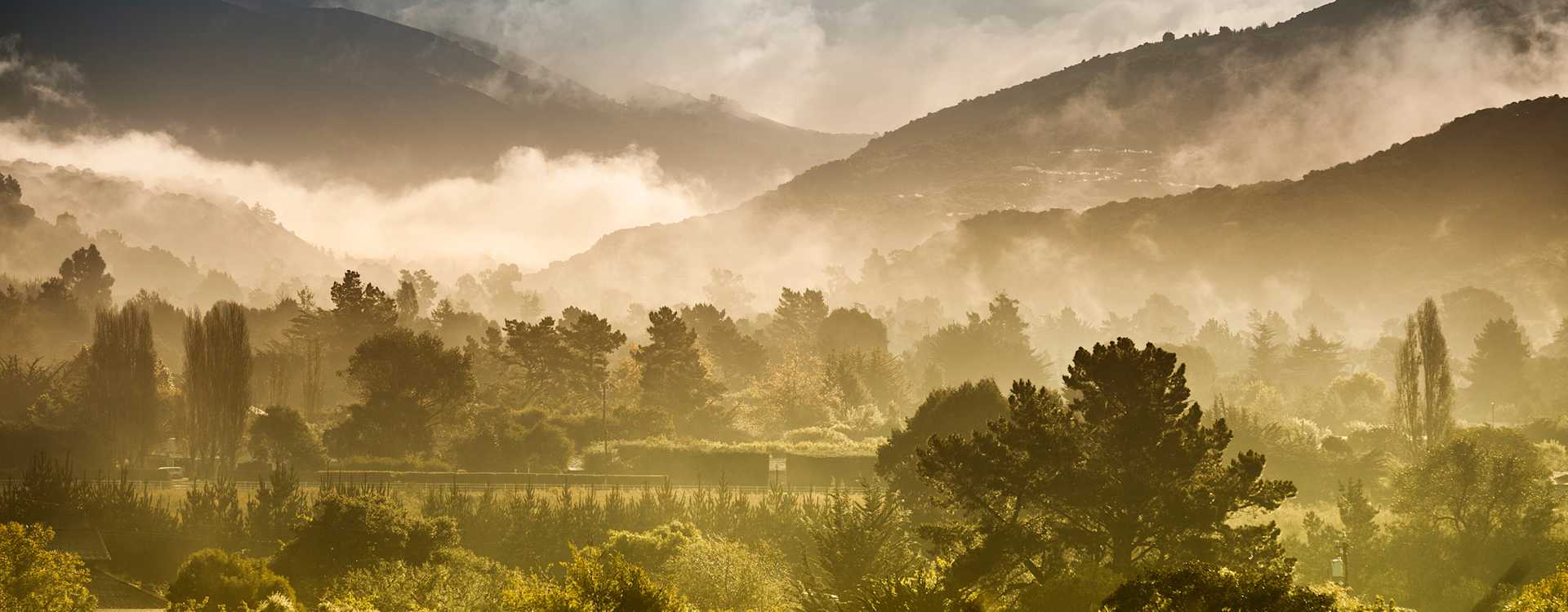
Part of the larger Central Coast AVA, the valley was historically an important source of grapes for Almaden Vineyards before it was acquired by Constellation Brands in the 1980s. At 1,100 feet, the San Andreas Fault divides the valley so that one side is granite and sandstone, and the other is granite and limestone. Its position along the San Andreas fault makes the region well suited for excellent Central Coast wine production. Top varietals include Zinfandel, Chardonnay, Pinot Noir, Riesling, and rose.