


Winemaker Notes
Blend: 100% Pinot Noir
Professional Ratings
-
Decanter
Eden Rift’s flagship Pinot Noir is composed of Dijon clones 115, 828, and 777, and vinified with 30% whole cluster fermentation on native yeasts. The wine is aged for 10 months in 30% new French oak. It opens with a bright, spicy nose and finely etched red berry fruit, joined by blood orange, spiced plum, dried sage, and pressed wildflowers. The finish is savoury and grounded, marked by loamy earth and subtle mineral tones.
-
Jeb Dunnuck
The winery’s flagship red, the 2021 Pinot Noir Estate comes off the estate’s central blocks, planted mostly to Dijon, Pommard, and some heritage clones. Ashy, earthy, and forested, the aromatics rise to the top of the experience, perfumed in dried rose petal, violet, and lavender. With 30% whole-cluster fermentation and 30% new oak, it has balance and length, with a lasting hit of black tea and citrus peel.
-
Robert Parker's Wine Advocate
The 2021 Pinot Noir Estate features a predominance of Dijon clones fermented 30% whole cluster in 30% new French oak. Red and blue-fruited aromas mix with woody, savory tones and a high-toned, refreshing energy. The palate is silky and delicate yet impressively saturated and structured, closing with elegant minerality and soft fruits on the finish.
-
Vinous
The 2021 Chardonnay Estate lifts from the glass with a flinty blend of dried flowers, incense and crushed green apples. It is crisp and energetic within, with crunchy mineral tones contrasting its ripe orchard fruits as a flourish of sweet spice enhances the finish. The 2021 tapers off long and gently tannic, leaving the palate dry and aching for more.




Named one of Wine & Spirits Magazines Top 100 Wineries of 2023
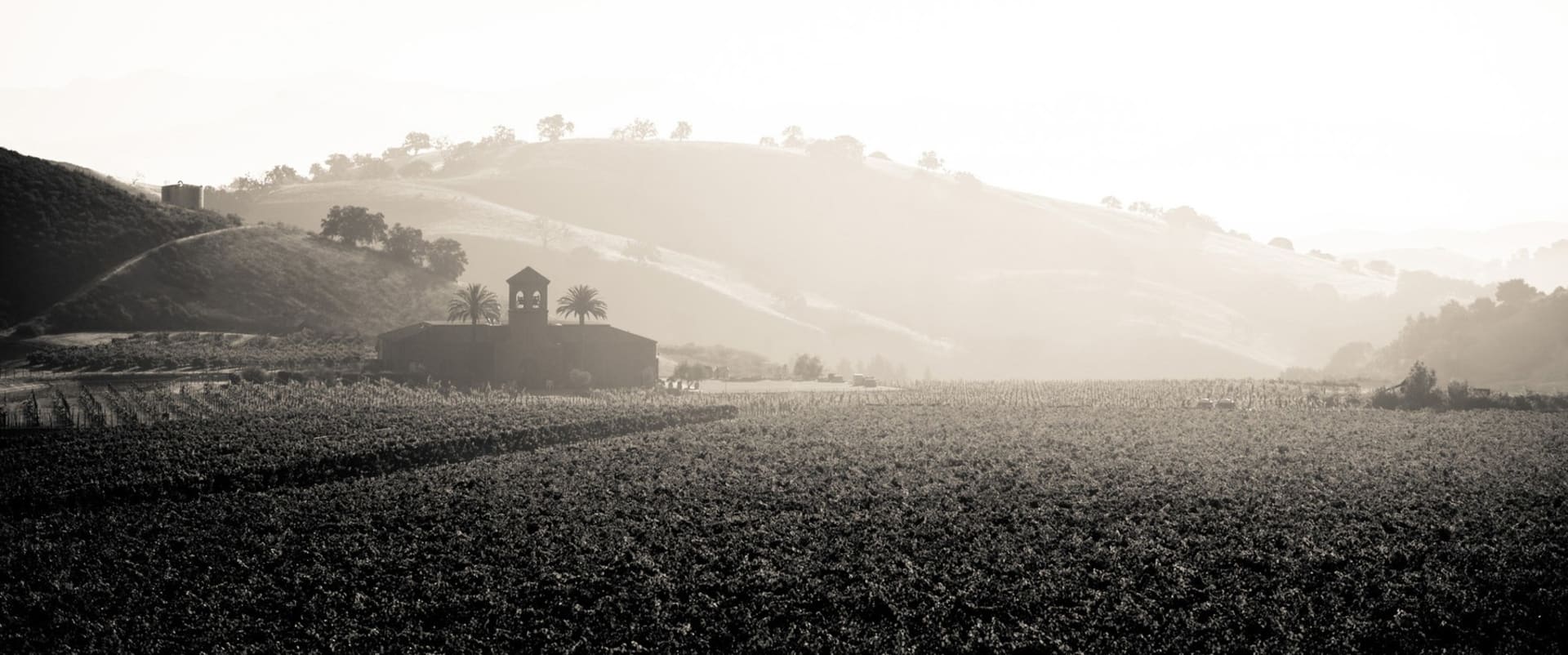
In the careful hands of early pioneers when California was still under Mexico’s flag, Eden Rift is one of the oldest continually operating estates in the US and is home to some of the earliest New World Pinot Noir plantings in 1861. The property’s first vineyards were planted in 1849 by a Bordeaux wine merchant. As the estate came into new ownership, the wines produced swept national and international competitions. Since then, the estate has changed hands several times, at one point producing wines under the label Valliant, belonging to the internationally known Hiram Walker House.
Today, the current proprietor of the estate, Christian Pillsbury, lives in the Dickinson House, a residence on the property fenced in by original Zinfandel plantings from 1906. Drawn to purchase the estate because of a personal connection, Pillsbury sees himself as chaperone of a place deeply important to the lineage of California wine. Before purchasing, Christian and his team researched the property’s daily temperature rhythms, soil, wind patterns and macro and micro climates to find the winery’s main focus, which has come to be Pinot Noir and Chardonnay. In addition to wine, the Eden Rift Estate also houses a granite stone mill that produces certified organic olive oil and is open to neighboring wineries for use on their own olive oil production.
With Christian’s vision in toe, he teamed up with venerable winemaker, Cory Waller. Cory is no stranger to American Pinot Noir, having studied under Napa’s Tony Soter and Oregon’s Josh Bergstrom and Jim Prosser. He was also assistant winemaker at the iconic California winery, Calera. Cory is well suited to the uber local project. Born and raised nearby, he boasts local farmers, ranchers and fishermen as some of his closest friends. His winemaking style limits intervention while focusing in the vineyard on vine stress and low yields. Since Christian’s purchase, Eden Rift has received attention from both local and National publications in its first two vintages.

Thin-skinned, finicky and temperamental, Pinot Noir is also one of the most rewarding grapes to grow and remains a labor of love for some of the greatest vignerons in Burgundy. Fairly adaptable but highly reflective of the environment in which it is grown, Pinot Noir prefers a cool climate and requires low yields to achieve high quality. Outside of France, outstanding examples come from in Oregon, California and throughout specific locations in wine-producing world. Somm Secret—André Tchelistcheff, California’s most influential post-Prohibition winemaker decidedly stayed away from the grape, claiming “God made Cabernet. The Devil made Pinot Noir.”
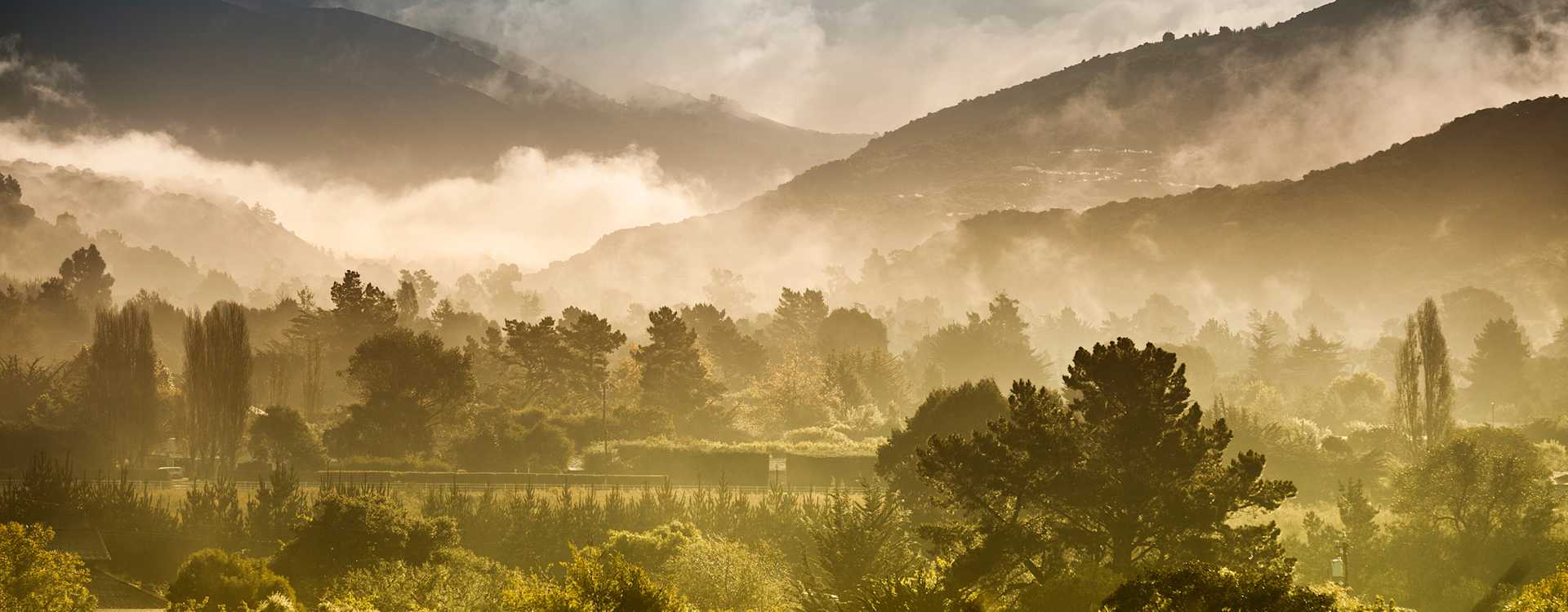
Part of the larger Central Coast AVA, the valley was historically an important source of grapes for Almaden Vineyards before it was acquired by Constellation Brands in the 1980s. At 1,100 feet, the San Andreas Fault divides the valley so that one side is granite and sandstone, and the other is granite and limestone. Its position along the San Andreas fault makes the region well suited for excellent Central Coast wine production. Top varietals include Zinfandel, Chardonnay, Pinot Noir, Riesling, and rose.