


Winemaker Notes
This natural wine has a delicate straw yellow color and appears slightly cloudy in the glass due to its lack of processing. On the nose it has aromas of peach and tropical fruits such as chirimoya, that harmonize with a buttery characteristic due to its malolactic fermentation. In the mouth, the tropical and floral flavors linger and it’s good acidity highlights this wine’s freshness.

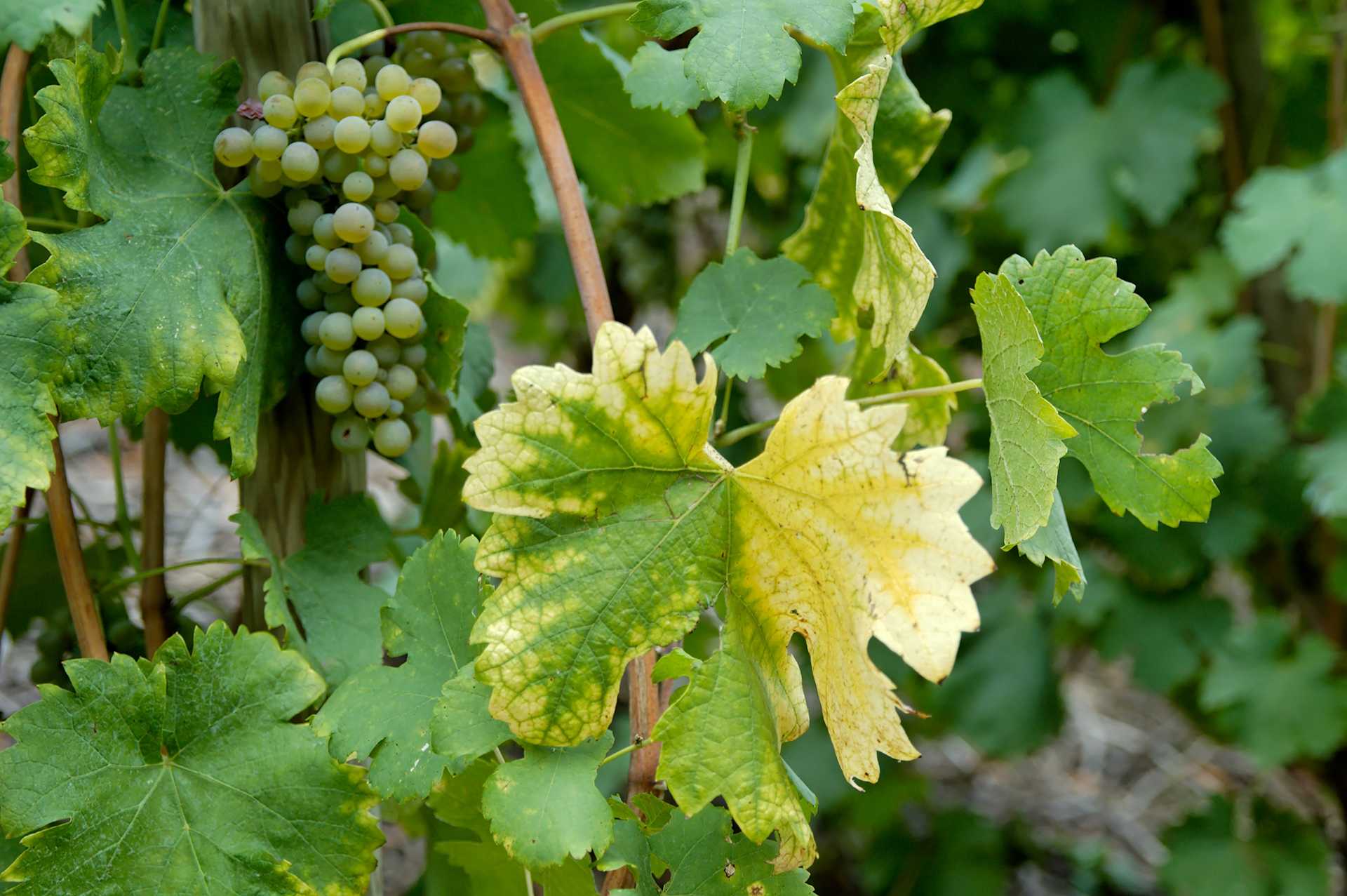
Full-figured and charmingly floral, Viognier is one of the most important white grapes of the northern Rhône where it is used both to produce single varietal wines and as an important blending grape. Look for great New World examples from California, Oregon, Washington and cooler parts of Australia. Somm Secret—Viognier plays a surprisingly important role in the red wines of Côte Rôtie in the northern Rhône. About 5% Viognier is typically co-fermented with the Syrah in order to stabilize the color, and as an added benefit, add a subtle perfume.

Bordering the Coastal Range in the west, and stretching as far east as the foothills of the Andes, the Curicó Valley has two major mesoclimates that allow it the potential to offer a great diversity of high quality wines. In the east around Molina and north of the Claro River, the chilling winds coming off of the Andes make this part of the valley cooler. In the west, the Coastal Range protects inland wine growing areas from the Pacific Ocean, making it hotter and drier. The valley can support a large range of grape varieties within these climatic variations.
In 1979 Miguel Torres, Spain’s largest family-owned producer of premium wine based in Penedès in northeastern Spain, invested heavily in the area. By introducing many modern technologies, Torres put the Curicó Valley on the international wine map and strengthened Chile's presence in the global wine market.
Curicó is one of the southern appellations of the greater Central Valley wine growing region, which includes from north to south: Maipo, Rapel, Curicó and Maule.