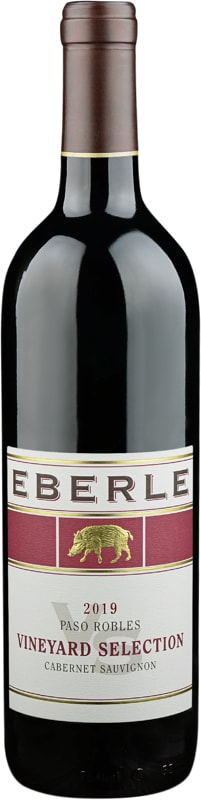


Winemaker Notes
If you are having a charcuterie board, this wine pairs well with aged cheddar or a Beemster cheese. The fruit on this wine complements umami flavors found in miso shiitake soup or a filet mignon with rich balsamic glaze. In the summer/fall months, try it with Zucchini Gratin.
Professional Ratings
-
Wine Enthusiast
Red berry, toasted wood and light cocoa aromas show on the nose of this bottling. The palate is cohesive and in bal- ance, with roasted red fruit, ample brown spice and bright acidity carrying through to the finish.


As Paso Robles, California has soared in number of wineries and gained in popularity, Cabernet Sauvignon has firmly taken root as the region’s number one varietal. Alone, it accounts for just over 40% of plantings and is grown throughout both the western and eastern sides of the appellation. Though viticulture here dates back to the 18th century, Cabernet Sauvignon didn’t emerge as a significant grape here until the 1970’s. But since then it has definitely made up for lost time.
Legendary winemaker and consultant Andre Tchelistcheff first recognized Paso’s potential with Cabernet Sauvignon in the early 1960’s. The calcareous soil and dramatic diurnal temperature changes of Paso’s westside particularly intrigued him. Today modern winemaking techniques and focused experimentation with various clones, rootstocks and vineyard strategies optimize the region's ideal combination of soil and climate to deliver the best fruit possible.
The results are evident in the glass. Paso Robles Cabernet Sauvignon can be mesmerizing, with rich aromas and flavors of blackberry, cassis, black cherry, graphite, toasty oak, vanilla and spice. The structure, balance and unbridled opulence of these wines impress from first sip to last. Not surprisingly, Paso Robles Cabernet Sauvignons have steadily grown in reputation, not just in the U.S., but around the world.