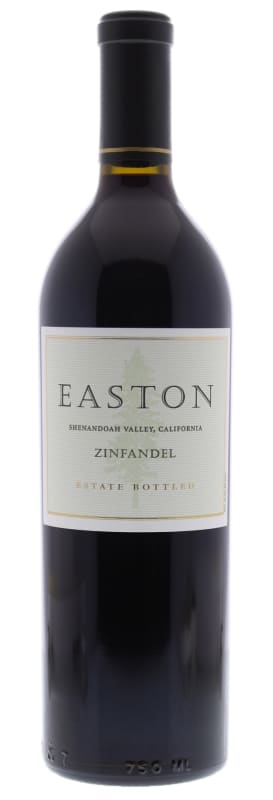


Winemaker Notes
The fruit originates from the old Baldinelli property that was planted in the early 1970’s. Vines are head-trained and unirrigated. The vineyard is rigorously suckered for proper cluster spacing and sun exposure to get full flavor development. Flavors are full, rich, smooth, and gutsy. The wine has huge brambly blackberry fruit, big cedar, spice box aromas and flavors. It has a smooth creamy finish from aging in Franc¸ois Fre`res and Taransaud barrels (1/3 new).
Professional Ratings
-
Wine Enthusiast
A robust Zin, this wine's lusty, cinnamon-spice aromas carry through on the tongue, while the texture is refined and rich. With balanced alcohol and acidity, its full-figured body is still juicy and bright. Cellar it for a few more years or let it breathe before serving.


Unapologetically bold, spice-driven and jammy, Zinfandel has secured its title as the darling of California vintners by adapting well to the state's diverse microclimates and landscapes. Born in Croatia, it later made its way to southern Italy where it was named Primitivo. Fortunately, the imperial nursery of Vienna catalogued specimens of the vine, and it later made its way to New England in 1829. Parading the true American spirit, Zinfandel found a new home in California during the Gold Rush of 1849. Somm Secret—California's ancient vines of Zinfandel are those that survived the neglect of Prohibition; today these vines produce the most concentrated, ethereal and complex examples.

CHMEST4301011_2011 Item# 168199