


Winemaker Notes
Intensely powerful and elegant aromas of white flowers, apricot, white peaches. The palate is fresh, round, rich and full-bodied. Fully expressive of the terroir with great finesse. A pleasant light acidity is well balanced with round, fleshy fruitiness.
Enjoy as an aperitif, or with foie gras, scrambled egg and truffles, or delicate fish.
Professional Ratings
-
Robert Parker's Wine Advocate
This full-bodied white was aged in one-third new oak and two-thirds tank. One hundred percent of the 2007 Condrieu La Doriane is vinified in new oak, and put through malolactic. It is then aged for 11 months prior to bottling. Absolutely exquisite, with the oak pushed to the background, this wine’s fruit character is dominated by apricots, peaches, honeysuckle, and marmalade. The beautiful floral and honeyed fruit aromatics are followed by a sumptuous, full-bodied white that is never heavy (because of good acidity) or flabby.
-
Wine Spectator
Really dense, with a massive core of white peach, fig, almond and Cavaillon melon notes carried by a remarkably creamy-textured palate. Long and pure through the finish, with mineral and floral notes waiting in reserve.
-
Wine Enthusiast
Guigal's luxury cuvée from Condrieu is a blend of vineyards, all vinified and agfed for eight months in new oak. The result is a big, spicy, rich wine, graced with smoky nuances but built on concentrated honey and apricots. It's long and powerful on the finish, ending with impressive spice.
-
Wine & Spirits
Richer than Guigal's basic bottling, La Doriane is pushed to super ripeness, the peach flavors taking on a slightly roasted character, a white pepper heat on the finish. Together with the lush texture, it's a big wine for a rich dish, like roasted marrow bones and a parsley salad.



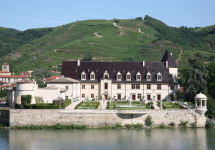
The Guigal domain was founded in 1946 by Etienne Guigal in the ancient village of Ampuis, home of the wines of the Côte-Rôtie. In these vineyards that are over 2400 years old, you can still see the small terraced walls characteristic of the Roman period. Etienne Guigal arrived in this region in 1923 at the age of 14. He made wine for over 67 vintages and, at the beginning of his career, participated in the development of the Vidal-Fleury establishment.
Despite his young age, Marcel Guigal took over from his father in 1961 when the latter was victim to a brutal illness rendering him blind. Marcel's hard work and perseverance enabled the Guigals to buy out Vidal-Fleury in 1984, although the establishment retains its own identity and commercial autonomy. In 2000, the Guigals purchased the Jean-Louis Grippat estate in Saint-Joseph and Hermitage, as well as the Domaine de Vallouit in Côte-Rôtie, Hermitage, Saint-Joseph and Crozes-Hermitage.
In the cellars of the Guigal estate in Ampuis, the northern appellations of the Rhône Valley are produced and aged. These are the appellations of Côte-Rôtie, Condrieu, Hermitage, Saint-Joseph and Crozes-Hermitage. The great appellations of the Southern Rhône, Chateauneuf-du-Pape, Gigondas, Tavel and Côtes-du-Rhône, are also aged in the Ampuis cellars.
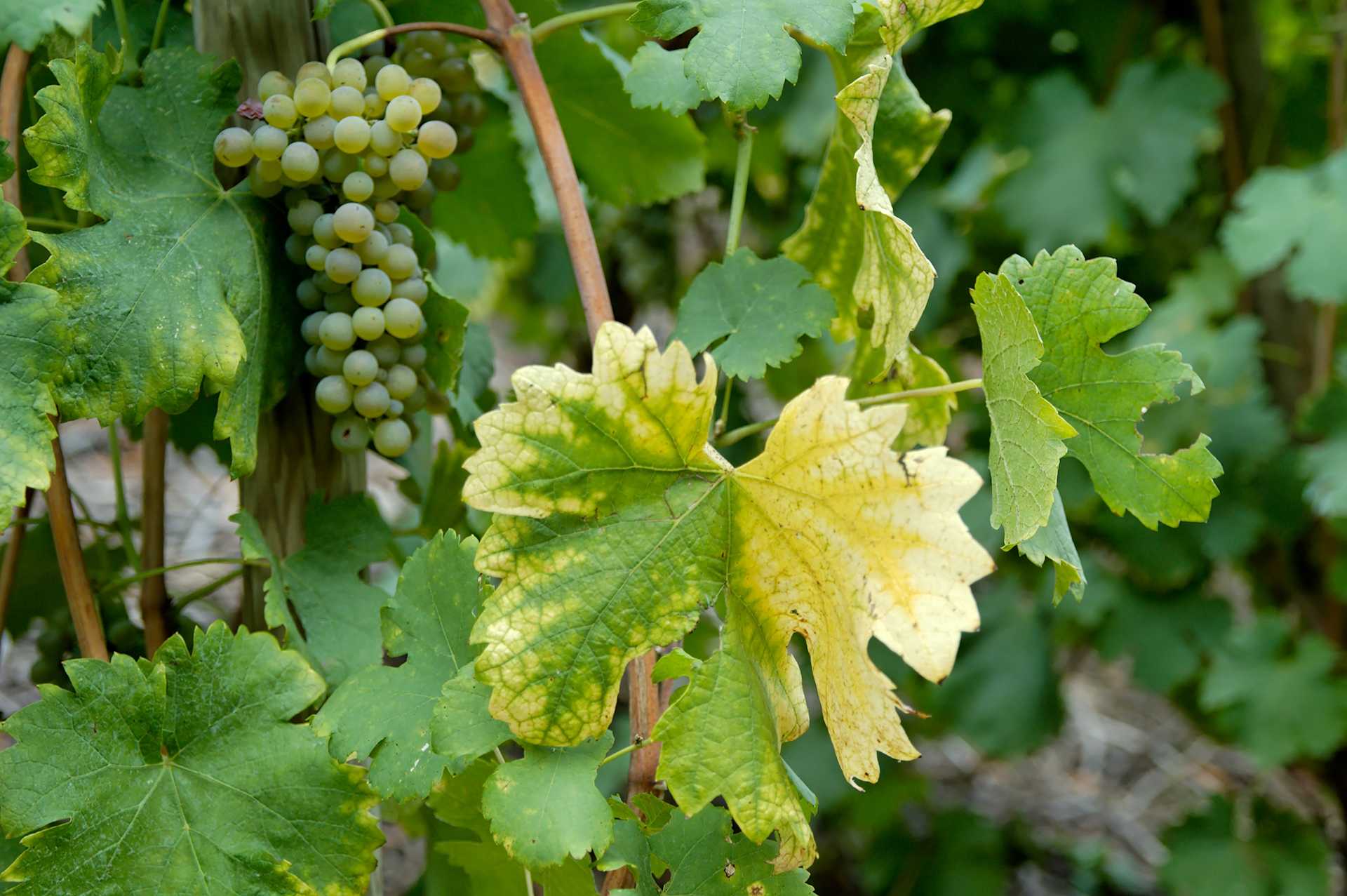
Full-figured and charmingly floral, Viognier is one of the most important white grapes of the northern Rhône where it is used both to produce single varietal wines and as an important blending grape. Look for great New World examples from California, Oregon, Washington and cooler parts of Australia. Somm Secret—Viognier plays a surprisingly important role in the red wines of Côte Rôtie in the northern Rhône. About 5% Viognier is typically co-fermented with the Syrah in order to stabilize the color, and as an added benefit, add a subtle perfume.

As the source of some of the most vibrant and powerful white wines in France, Condrieu is uniquely situated in one of the northern outposts of the Rhone River. It is the original Viognier appellation with a wine growing history reaching back well over two thousand years. Like most of the wine regions of the Northern Rhone, Condrieu’s vines grow on extremely steep and narrow granite terraces. But what makes the region unique is a topsoil, locally called, “arzelle,” made of decomposed mica. This and a sheltering of the harsh northern winds, make optimal sites to produce opulent and brilliant Viognier. It is a tiny zone with no room for expansion and produces miniscule amounts of wine each year, contributing to its allure.
A fine Condrieu will have aromas and flavors suggestive of ripe stone fruit, lime peel, green almond, ginger, white flowers and toasted nuts. A honeyed smell may mislead you to think the wine will be sweet but the modern style favors totally dry on the palate. Its texture will be full and soft but a touch of mineral will provide great balance.