


Winemaker Notes
The wine leads with lively aromas of lemon oil and grapefruit, with accents of ginger and jasmine. With time in the glass, guava, Mandarin orange, and mango come up, with bright lime zest in the background. The mouth has that fantastic combination of bright freshness and unctuous decadence that is loved in Chardonnay, with tangerine, young pineapple, and lemongrass flavors followed by a generously lengthy finish of toasty crème brulee, topped off by a fresh kiss of lemon peel.
This rich/fresh combination makes it equally excellent with velvety pumpkin ravioli in a cream sauce, a simple crab salad, hazelnut crusted sea bass, or Valley Ford’s Estero Gold Reserve asiago-style cheese.
Professional Ratings
-
Wine Enthusiast
Salt rock and tart green-apple tones combine effortlessly to showcase a sublime texture with considerable length and depth. A touch of butterscotch graces the finish, but it's otherwise all about freshness in lemon and lime flavors, with exotic elements of lemongrass and ginger.
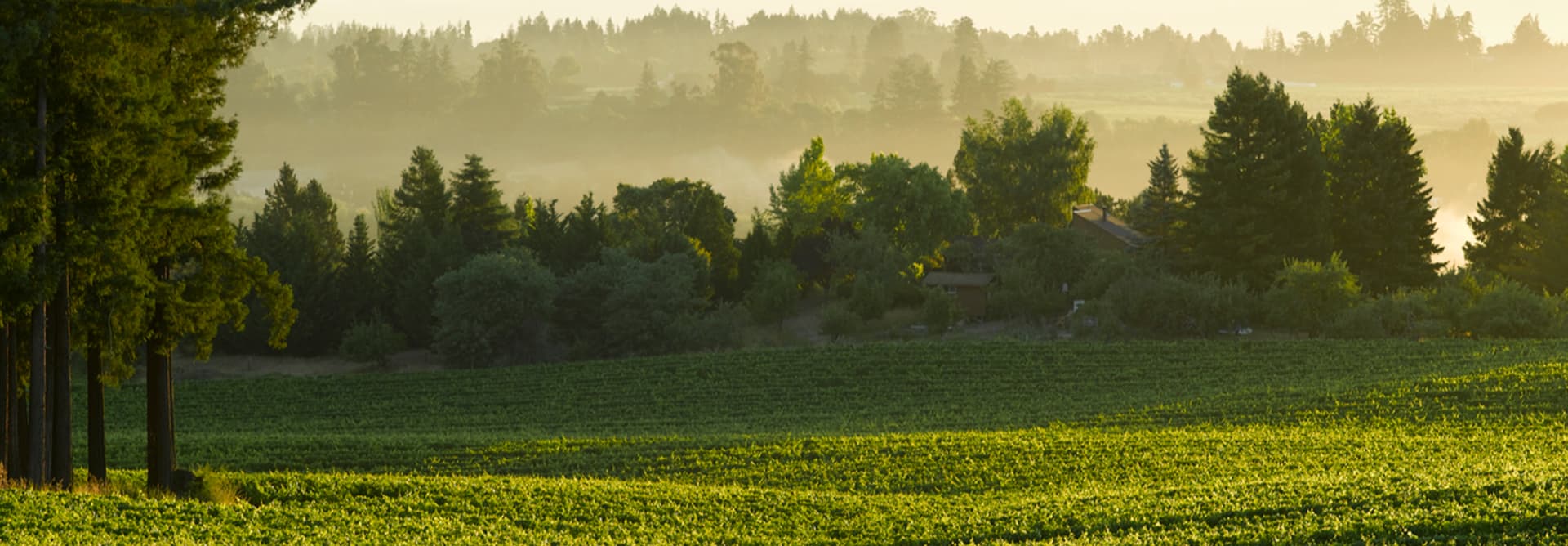


Dutton-Goldfield Winery began with a handshake in a vineyard in 1998, when longtime colleagues and friends Steve Dutton and Dan Goldfield recognized a shared vision between them—to craft wines that express the personalities of their cool-climate vineyards, and which they'd enjoy drinking at their own dinner tables.
Pinot Noir and Chardonnay are the mainstays of the Dutton-Goldfield production. Using fruit from carefully chosen vineyards, Dan Goldfield produces wine that reflects the natural tendencies of the area: crisp, well-structured wines that display the complexity, balance and intensity that the partners believe are key to world-class wines.
Dutton-Goldfield Winery's first releases were a Dutton Ranch Chardonnay and Pinot Noir from the 1998 vintage. Today Dan and Steve continue to produce Pinot Noir and Chardonnay from Dutton Ranch plantings, numerous vineyard-designated wines, as well as small lots of old vine Zinfandel and hillside Syrah. The Dutton-Goldfield wines are crafted using traditional techniques such as barrel and malolactic fermentation for the Chardonnay, and open top fermentation for the Pinot Noir.
The winery is a partnership of friends, colleagues, neighbors and families. The wines reflect this spectacular part of Northern California where the grapes are grown, the superb quality of fruit from perfectly placed and planted vineyards, and the work of an appreciative winemaker.
All Dutton-Goldfield vineyards are certified sustainable by the California Sustainable Winegrowing Alliance and endorsed by Fish Friendly Farming.

One of the most popular and versatile white wine grapes, Chardonnay offers a wide range of flavors and styles depending on where it is grown and how it is made. While it tends to flourish in most environments, Chardonnay from its Burgundian homeland produces some of the most remarkable and longest lived examples. California produces both oaky, buttery styles and leaner, European-inspired wines. Somm Secret—The Burgundian subregion of Chablis, while typically using older oak barrels, produces a bright style similar to the unoaked style. Anyone who doesn't like oaky Chardonnay would likely enjoy Chablis.

Situated on the foggier and colder western edge of the Russian River Valley, almost abutting the Sonoma Coast appellation, Green Valley is one of California’s most reputable Chardonnay and Pinot noir producing regions. It is also a wonderful source of sparkling wines made from these varieties.
Goldridge soils abound throughout the Green Valley appellation. This fine, dark, sandy loam and fractured sandstone is derived from the remains of ancient inland seabeds dating back three to five million years. It is valuable for high quality grape growing because of its excellent drainage and low fertility.