


Winemaker Notes
The 2018 Rose leads with strawberries, banana, melon, and kiwi, with rose petal accents and a minerality like a fresh ocean breeze. The strawberry-banana cream pie theme continues in the mouth, supported by notes of watermelon, cranberry, and lemon zest. The fresh finish lingers with pomegranate and a final caress of rose petals.
Professional Ratings
-
James Suckling
This is a fleshy and supple pinot noir rosé with sliced-strawberry and gently creamy notes, leading to a succulent, satisfying palate with the right spark of acidity to brighten up the smooth fleshy fruit.
-
Wine Enthusiast
This opens in heady, inviting aromas of rose and dried herb, the fruit sourced from Green Valley sites the producer likes for their high acidity. Candied apple, peach and strawberry flavors are high-toned and wrapped in silky texture, with good lasting grip.
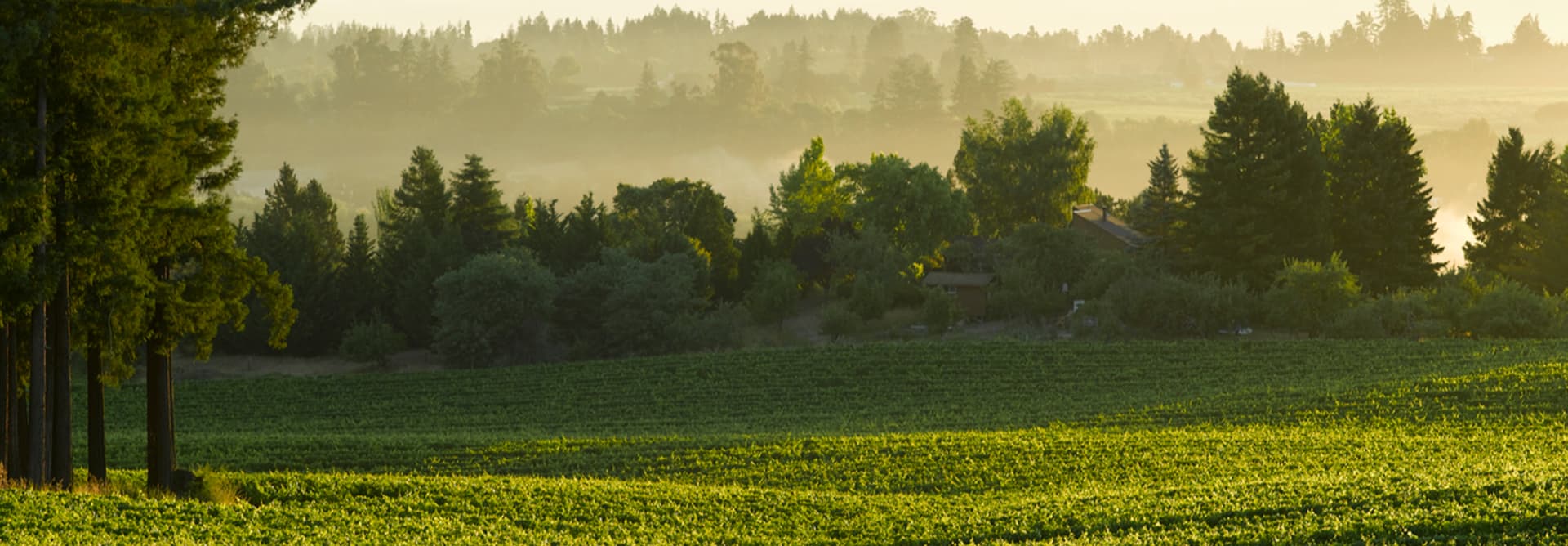


Pinot Noir and Chardonnay are the mainstays of the Dutton-Goldfield production. Using fruit from carefully chosen vineyards, Dan Goldfield produces wine that reflects the natural tendencies of the area: crisp, well-structured wines that display the complexity, balance and intensity that the partners believe are key to world-class wines.
Dutton-Goldfield Winery's first releases were a Dutton Ranch Chardonnay and Pinot Noir from the 1998 vintage. Today Dan and Steve continue to produce Pinot Noir and Chardonnay from Dutton Ranch plantings, numerous vineyard-designated wines, as well as small lots of old vine Zinfandel and hillside Syrah. The Dutton-Goldfield wines are crafted using traditional techniques such as barrel and malolactic fermentation for the Chardonnay, and open top fermentation for the Pinot Noir.
The winery is a partnership of friends, colleagues, neighbors and families. The wines reflect this spectacular part of Northern California where the grapes are grown, the superb quality of fruit from perfectly placed and planted vineyards, and the work of an appreciative winemaker.

Whether it’s playful and fun or savory and serious, most rosé today is not your grandmother’s White Zinfandel, though that category remains strong. Pink wine has recently become quite trendy, and this time around it’s commonly quite dry. Since the pigment in red wines comes from keeping fermenting juice in contact with the grape skins for an extended period, it follows that a pink wine can be made using just a brief period of skin contact—usually just a couple of days. The resulting color depends on grape variety and winemaking style, ranging from pale salmon to deep magenta.

A vast appellation covering Sonoma County’s Pacific coastline, the Sonoma Coast AVA runs all the way from the Mendocino County border, south to the San Pablo Bay. The region can actually be divided into two sections—the actual coastal vineyards, marked by marine soils, cool temperatures and saline ocean breezes—and the warmer, drier vineyards further inland, which are still heavily influenced by the Pacific but not quite with same intensity.
Contained within the appellation are the much smaller Fort Ross-Seaview and Petaluma Gap AVAs.
The Sonoma Coast is highly regarded for elegant Pinot Noir, Chardonnay, and, increasingly, cool-climate Syrah. The wines have high acidity, moderate alcohol, firm tannin, and balanced ripeness.