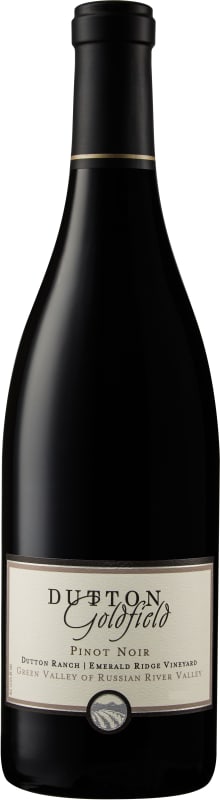


Winemaker Notes
The nose is enveloping with its blueberry and blackberry jam notes, highlighted by touches of violets and wisteria, and a light candied caramel quality. In the mouth, the wine is equally rich and decadent, with the berries riding on a wave of satin. Spicy notes of sandalwood and toffee linger on the rich fruit finish.
Herb rubbed quail or mushroom risotto would be a great match, as would a peppercorn chevre that echoes the savory/sweet nature of the wine. As easy as this wine goes down, though, you might not have any left in the bottle by dinner time.
Professional Ratings
-
Connoisseurs' Guide
Darker in color than one might expect of a medium-full-bodied Pinot Noir, this wine does start off on the tight side in aroma before opening somewhat as it sits in the glass and revealing surprising depth for a structured and acid-lifted wine. Indeed, this wine is all about the contrasts between flavors waiting to come out and the lightly gruff, rough covering texture that is holding it back, and, while we think that time will bring it out, we do admit that there is a bit of a gamble about how much is going to emerge.
-
Wine Enthusiast
Velvety and thick, this wine is tannic, oaky and still tenacious about its youth. Spicy cardamom, violet and dried herb notes make it more earthy than fruit-driven, begging for complementary fare at the table. Raspberry, black cherry and blackberry flavors vie for attention.
-
Robert Parker's Wine Advocate
Pale to medium ruby-purple colored, the 2014 Pinot Noir Emerald Ridge Vineyard Dutton Ranch gives notes of black raspberries and black cherries with hints of lavender, garrique and sautéed herbs. Medium-bodied with bags of finesse and a well-played backbone of chewy tannins, the finish is lively with some mineral suggestions.
-
Wine & Spirits
This is classical Green Valley pinot noir, just barely hinting at the lusciousness of wines grown further inland in the Russian River Valley, its ripeness gentle and genteel. It ends on a fresh note, a simple and plummy verve that’s very satisfying. (646 cases)
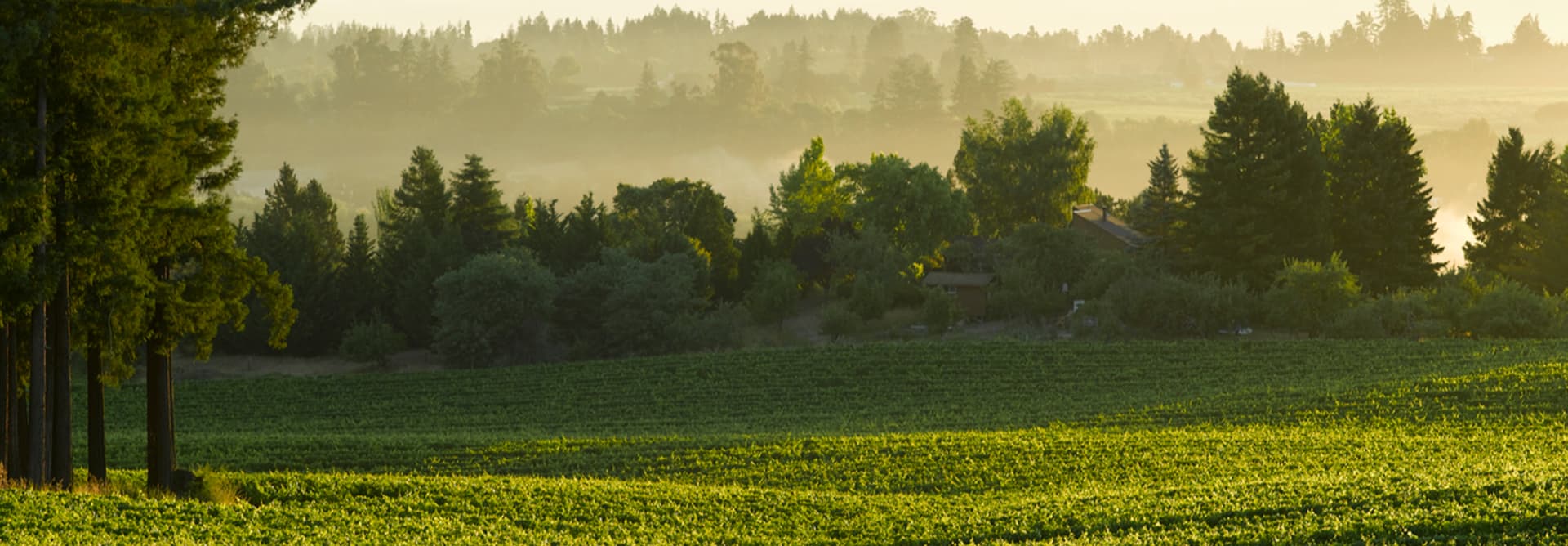


Dutton-Goldfield Winery began with a handshake in a vineyard in 1998, when longtime colleagues and friends Steve Dutton and Dan Goldfield recognized a shared vision between them—to craft wines that express the personalities of their cool-climate vineyards, and which they'd enjoy drinking at their own dinner tables.
Pinot Noir and Chardonnay are the mainstays of the Dutton-Goldfield production. Using fruit from carefully chosen vineyards, Dan Goldfield produces wine that reflects the natural tendencies of the area: crisp, well-structured wines that display the complexity, balance and intensity that the partners believe are key to world-class wines.
Dutton-Goldfield Winery's first releases were a Dutton Ranch Chardonnay and Pinot Noir from the 1998 vintage. Today Dan and Steve continue to produce Pinot Noir and Chardonnay from Dutton Ranch plantings, numerous vineyard-designated wines, as well as small lots of old vine Zinfandel and hillside Syrah. The Dutton-Goldfield wines are crafted using traditional techniques such as barrel and malolactic fermentation for the Chardonnay, and open top fermentation for the Pinot Noir.
The winery is a partnership of friends, colleagues, neighbors and families. The wines reflect this spectacular part of Northern California where the grapes are grown, the superb quality of fruit from perfectly placed and planted vineyards, and the work of an appreciative winemaker.
All Dutton-Goldfield vineyards are certified sustainable by the California Sustainable Winegrowing Alliance and endorsed by Fish Friendly Farming.

Thin-skinned, finicky and temperamental, Pinot Noir is also one of the most rewarding grapes to grow and remains a labor of love for some of the greatest vignerons in Burgundy. Fairly adaptable but highly reflective of the environment in which it is grown, Pinot Noir prefers a cool climate and requires low yields to achieve high quality. Outside of France, outstanding examples come from in Oregon, California and throughout specific locations in wine-producing world. Somm Secret—André Tchelistcheff, California’s most influential post-Prohibition winemaker decidedly stayed away from the grape, claiming “God made Cabernet. The Devil made Pinot Noir.”

Situated on the foggier and colder western edge of the Russian River Valley, almost abutting the Sonoma Coast appellation, Green Valley is one of California’s most reputable Chardonnay and Pinot noir producing regions. It is also a wonderful source of sparkling wines made from these varieties.
Goldridge soils abound throughout the Green Valley appellation. This fine, dark, sandy loam and fractured sandstone is derived from the remains of ancient inland seabeds dating back three to five million years. It is valuable for high quality grape growing because of its excellent drainage and low fertility.