

Winemaker Notes
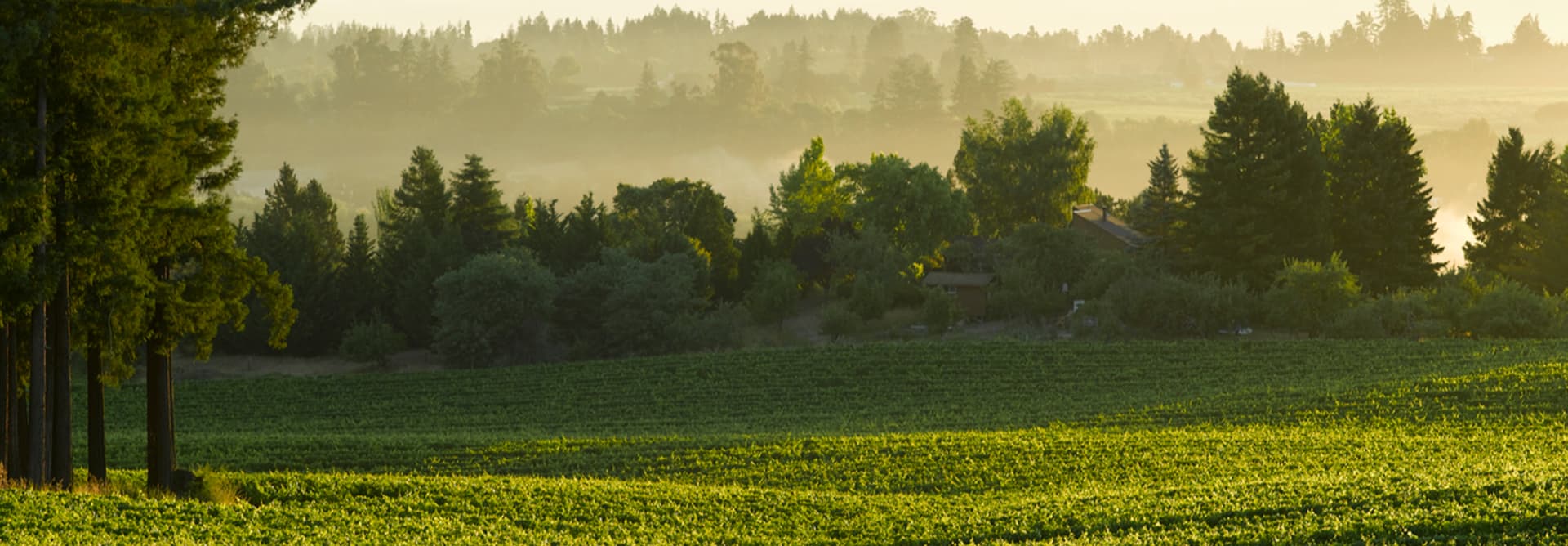


Dutton-Goldfield Winery began with a handshake in a vineyard in 1998, when longtime colleagues and friends Steve Dutton and Dan Goldfield recognized a shared vision between them—to craft wines that express the personalities of their cool-climate vineyards, and which they'd enjoy drinking at their own dinner tables.
Pinot Noir and Chardonnay are the mainstays of the Dutton-Goldfield production. Using fruit from carefully chosen vineyards, Dan Goldfield produces wine that reflects the natural tendencies of the area: crisp, well-structured wines that display the complexity, balance and intensity that the partners believe are key to world-class wines.
Dutton-Goldfield Winery's first releases were a Dutton Ranch Chardonnay and Pinot Noir from the 1998 vintage. Today Dan and Steve continue to produce Pinot Noir and Chardonnay from Dutton Ranch plantings, numerous vineyard-designated wines, as well as small lots of old vine Zinfandel and hillside Syrah. The Dutton-Goldfield wines are crafted using traditional techniques such as barrel and malolactic fermentation for the Chardonnay, and open top fermentation for the Pinot Noir.
The winery is a partnership of friends, colleagues, neighbors and families. The wines reflect this spectacular part of Northern California where the grapes are grown, the superb quality of fruit from perfectly placed and planted vineyards, and the work of an appreciative winemaker.
All Dutton-Goldfield vineyards are certified sustainable by the California Sustainable Winegrowing Alliance and endorsed by Fish Friendly Farming.
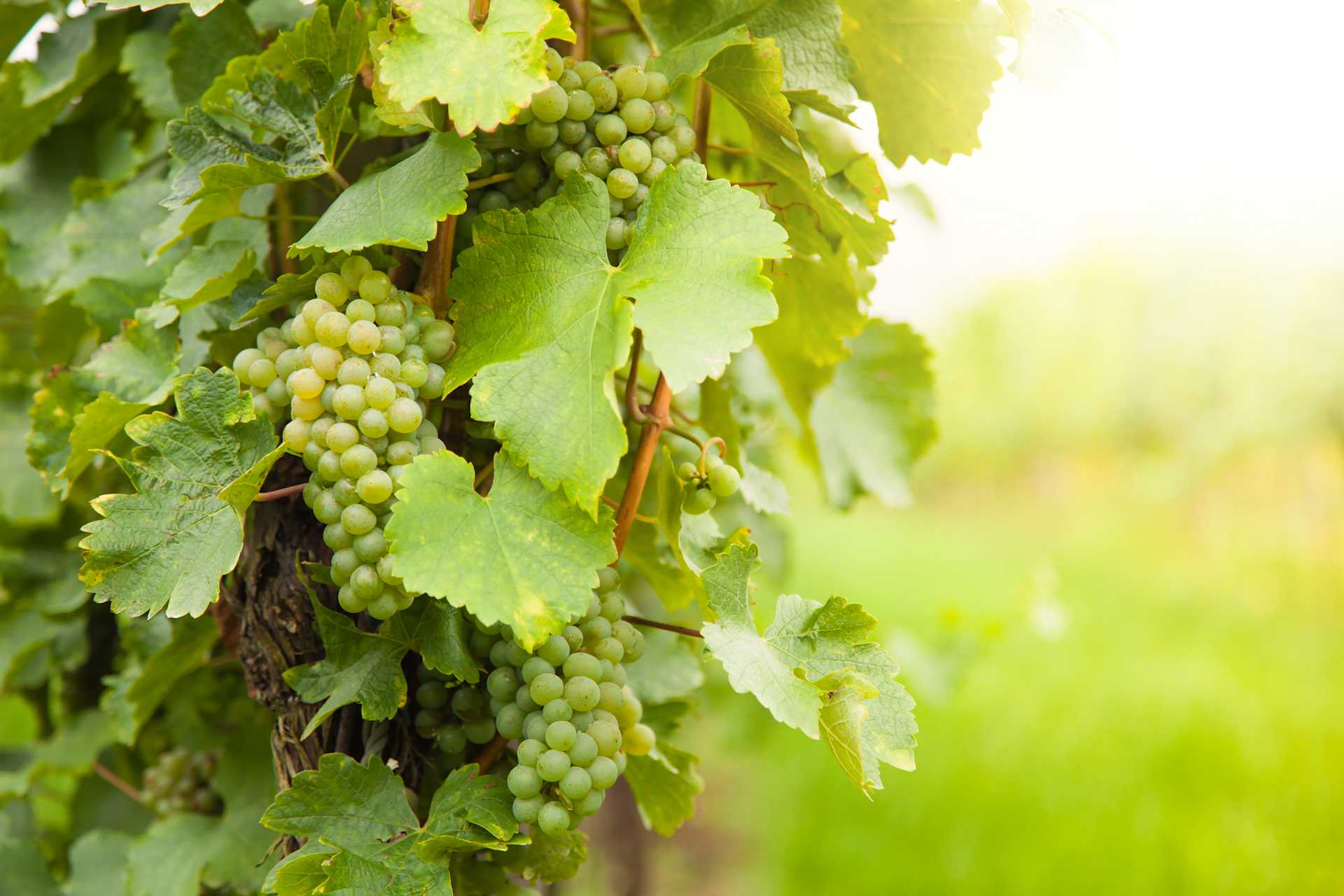
Approachable, aromatic and pleasantly plush on the palate, Pinot Blanc is a white grape variety most associated with the Alsace region of France. Although its heritage is Burgundian, today it is rarely found there and instead thrives throughout central Europe, namely Germany and Austria, where it is known as Weissburgunder and Alto Adige where it is called Pinot Bianco. Interestingly, Pinot Blanc was born out of a mutation of the pink-skinned Pinot Gris. Somm Secret—Chardonnay fans looking to try something new would benefit from giving Pinot Blanc a try.

Situated on the foggier and colder western edge of the Russian River Valley, almost abutting the Sonoma Coast appellation, Green Valley is one of California’s most reputable Chardonnay and Pinot noir producing regions. It is also a wonderful source of sparkling wines made from these varieties.
Goldridge soils abound throughout the Green Valley appellation. This fine, dark, sandy loam and fractured sandstone is derived from the remains of ancient inland seabeds dating back three to five million years. It is valuable for high quality grape growing because of its excellent drainage and low fertility.