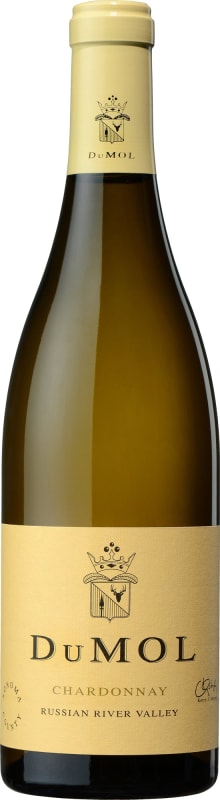


Winemaker Notes
2011 is an undeniably great year for coastal Chardonnay, one of our finest ever and one that brings to mind both 2010 and 2005, vintages that are aging effortlessly. Our new release 2011 RRV bottling performs at the historical designate level; such is its perfect balance between deeply pitched natural fruit extract and a backbone of precise live wire acidity. The wine is clean, pure and focused with real breadth across the entire palate but it’s the vein of tightly coiled mouth watering acidity that really keeps it pulsating throughout. It expertly blends leaner stone and riper tropical fruit aromas and flavors and clearly displays the taut freshness of its coastal vineyard origins alongside the broad palate density of this low yielding vintage. Slightly more introverted than its 2010 predecessor, it requires some patience and time in the glass to bring forth the wine’s full texture and multiple layers. If you open it on release give it plenty of air and watch how it unfolds over the evening – the flavors and texture really deepen and expand substantially. Drink between 2013 and 2018. Brilliant pale straw color. Trademark aromatic intensity: lemon curd and lemon grass, sweet lime and honeydew melon, offset by floral lily perfume, fresh fennel and bay leaf complexity. Opens to baked apple, quince and richer citrus. Immediately fruit driven precise palate: grapefruit, white nectarine and Gravenstein apple. Lively, tense and piercing with sea spray and mint notes. Toasted almond richness and texture build with air. Tangy lime zest dominates the echoing vibrant finish. Serve at no cooler than 55 degrees to allow the wine’s full texture to sing.




Respect for the land
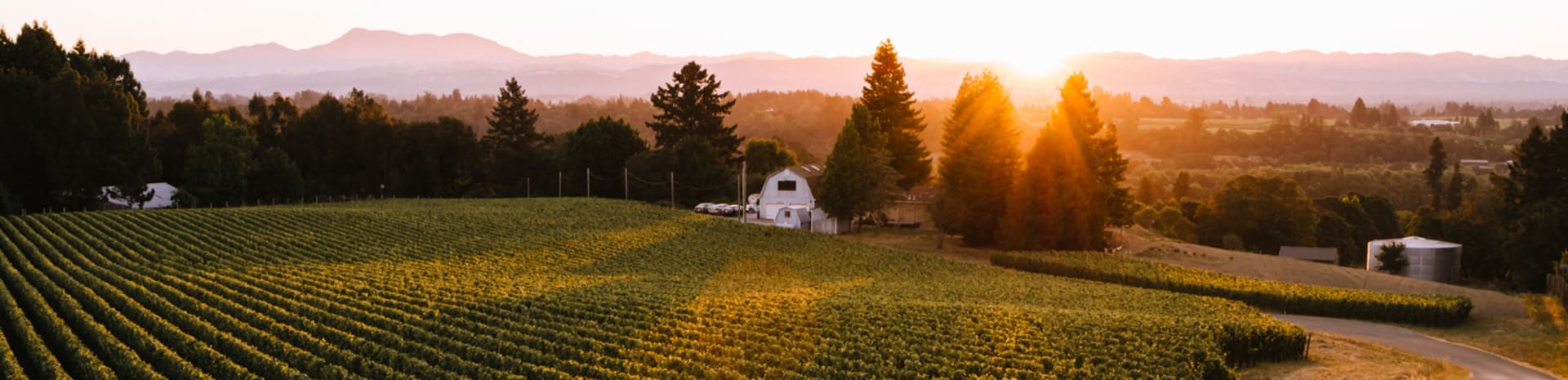
DuMOL is a “vineyard up” winery with a fully integrated approach to winegrowing and winemaking. DuMOL planted its high-density estate vineyards and has farmed many of California’s most renowned vineyards for more than two decades.
Commitment to craft
DuMOL sticks to what works and is focused on the fundamentals, finding inspiration in master, visionary producers around the world as DuMOL continually hones its craft—never imitating, ever refining.
Connected on a personal level
This is a project that comes from who the DuMOL team is and what they love. A deep connection is paramount: to the land, the wines, and the customers.
Heritage and experience
Founded in 1996, DuMOL is a latter-day pioneer in the Russian River Valley. Winemaker, Viticulturist and Partner, Andy Smith, farmed the region for nearly a decade before joining in 1999, and Associate Winemakers Julie Cooper and Jenna Davis, and Cellar Master Jaime Eufracio, have over 40 years combined experience at DuMOL.

One of the most popular and versatile white wine grapes, Chardonnay offers a wide range of flavors and styles depending on where it is grown and how it is made. While it tends to flourish in most environments, Chardonnay from its Burgundian homeland produces some of the most remarkable and longest lived examples. California produces both oaky, buttery styles and leaner, European-inspired wines. Somm Secret—The Burgundian subregion of Chablis, while typically using older oak barrels, produces a bright style similar to the unoaked style. Anyone who doesn't like oaky Chardonnay would likely enjoy Chablis.

A standout region for its decidedly Californian take on Burgundian varieties, the Russian River Valley is named for the eponymous river that flows through it. While there are warm pockets of the AVA, it is mostly a cool-climate growing region thanks to breezes and fog from the nearby Pacific Ocean.
Chardonnay and Pinot Noir reign supreme in Russian River, with the best examples demonstrating a unique combination of richness and restraint. The cool weather makes Russian River an ideal AVA for sparkling wine production, utilizing the aforementioned varieties. Zinfandel also performs exceptionally well here. Within the Russian River Valley lie the smaller appellations of Chalk Hill and Green Valley. The former, farther from the ocean, is relatively warm, with a focus on red and white Bordeaux varieties. The latter is the coolest, foggiest parcel of the Russian River Valley and is responsible for outstanding Pinot Noir and Chardonnay.