

Winemaker Notes
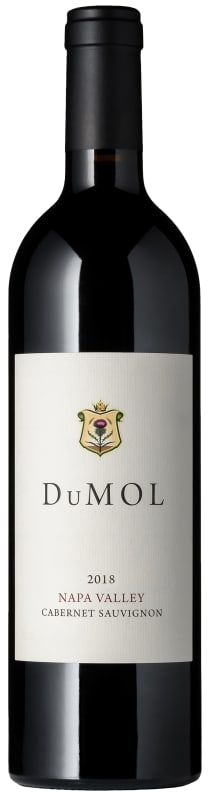
From the magnificent 2018 vintage, this classic Napa vineyard blend shows elements of both modern and traditional Napa Valley Cabernet styles. The wine is beautifully textured and layered with an expansive, mouth-filling palate and broad enveloping tannins, but this richness never comes at the expense of detail or freshness. There’s an intriguing seamless complexity that one would expect from a blend of vineyards; each site complements the next, layering nuance on top of power, breadth alongside elegance. The wine has evident volcanic-soil, cool-climate markers: intense floral lift, fragrant bay laurel, and woodsy potpourri notes. But it’s the fruit core from the warmer up-valley vineyards that leads the charge: ripe, dark, plush, and chewy with an extended arc of flavor and a subtle opulent finish.
Highly perfumed, exotic floral aromas intersperse with blackberry, plum, sweet thyme, and spiced clove. The palate is fruit-focused with black cherry and dark cassis notes alongside a sense of crushed stone. Cedar, pencil lead, and sweet tobacco notes shine through with a touch of bittersweet cocoa. Power matched with elegance offers a balanced opulence with myriad nuances. The wine’s natural density and well-defined tannins promise an aging potential of 12+ years.
Professional Ratings
-
Wine Enthusiast
A lovely, 100% varietal wine aged 20 months in French oak, this is juicy, herbal and offers a substantial foundation of power. Cedar, tobacco and tomato leaf accent a core of crushed rock, dark plum and threads of acidity—the weight and structure lifted by underlying freshness. This is a good candidate for cellaring; enjoy best from 2028 through 2038.
-
Connoisseurs' Guide
This very attractive effort hits all the right notes from its showy black cherry and curranty first aromas to its energetic flavors and long, tannin-firmed finish. It is the kind of wine that some folks will enjoy young while others will be equally pleased with older versions that seem certain to age nicely over the next half-dozen years and more. It is, in a word or two, damn nice, and offers a look at DuMol Cabs at a slightly lower cost.




Respect for the land
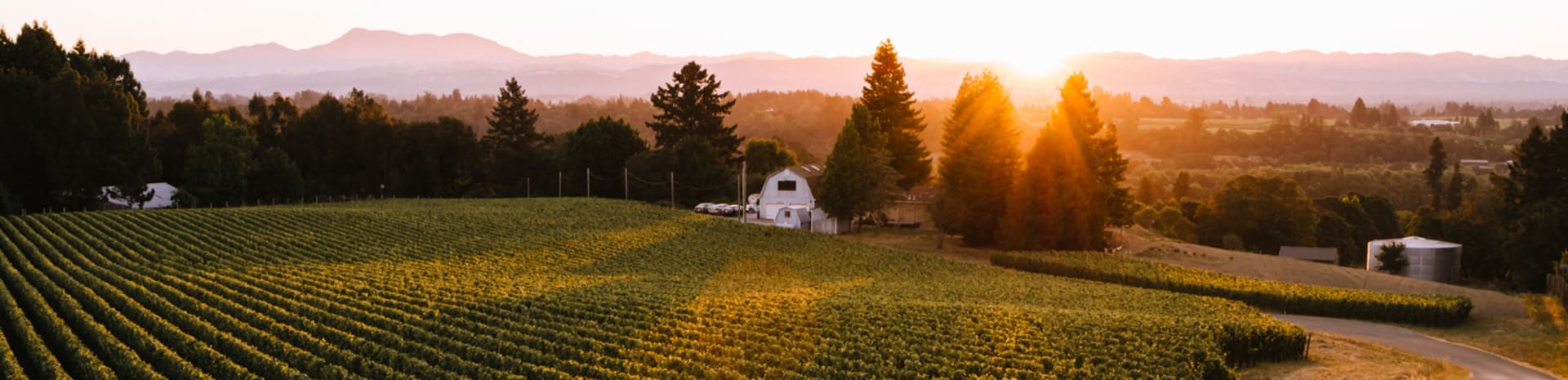
DuMOL is a “vineyard up” winery with a fully integrated approach to winegrowing and winemaking. DuMOL planted its high-density estate vineyards and has farmed many of California’s most renowned vineyards for more than two decades.
Commitment to craft
DuMOL sticks to what works and is focused on the fundamentals, finding inspiration in master, visionary producers around the world as DuMOL continually hones its craft—never imitating, ever refining.
Connected on a personal level
This is a project that comes from who the DuMOL team is and what they love. A deep connection is paramount: to the land, the wines, and the customers.
Heritage and experience
Founded in 1996, DuMOL is a latter-day pioneer in the Russian River Valley. Winemaker, Viticulturist and Partner, Andy Smith, farmed the region for nearly a decade before joining in 1999, and Associate Winemakers Julie Cooper and Jenna Davis, and Cellar Master Jaime Eufracio, have over 40 years combined experience at DuMOL.

One of the most prestigious wines of the world capable of great power and grace, Napa Valley Cabernet is a leading force in the world of fine, famous, collectible red wine. Today the Napa Valley and Cabernet Sauvignon are so intrinsically linked that it is difficult to discuss one without the other. But it wasn’t until the 1970s that this marriage came to light; sudden international recognition rained upon Napa with the victory of the Stag’s Leap Wine Cellars 1973 Cabernet Sauvignon in the 1976 Judgement of Paris.
Cabernet Sauvignon undoubtedly dominates Napa Valley today, covering half of the land under vine, commanding the highest prices per ton and earning the most critical acclaim. Cabernet Sauvignon’s structure, acidity, capacity to thrive in multiple environs and ability to express nuances of vintage make it perfect for Napa Valley where incredible soil and geographical diversity are found and the climate is perfect for grape growing. Within the Napa Valley lie many smaller sub-AVAs that express specific characteristics based on situation, slope and soil—as a perfect example, Rutherford’s famous dust or Stags Leap District's tart cherry flavors.