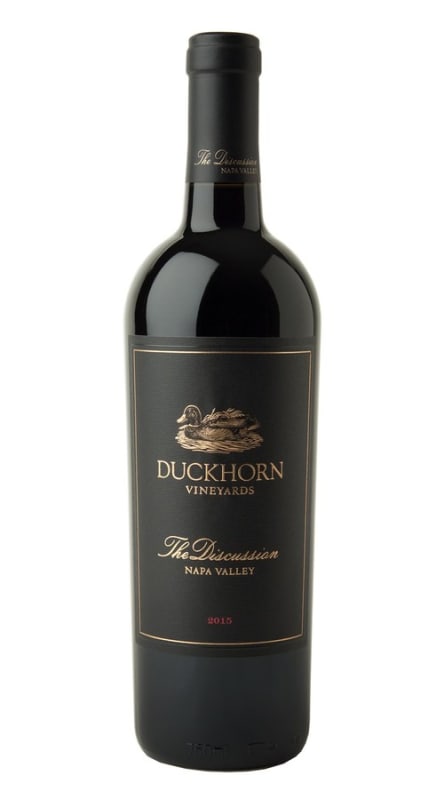


Winemaker Notes
Blend: 66% Cabernet Sauvignon, 29% Merlot, 2.5% Cabernet Franc, 2.5% Petit Verdot
Professional Ratings
-
Wine & Spirits
Renee Ary focuses this wine on Duckhorn’s top estate parcels rather than varieties, blending cabernet sauvignon (66 percent), merlot (29 percent) and small amounts of franc and petit verdot. She ages the wine in new French oak barrels for 18 months, then lets it rest in neutral oak for another six months, where, in 2015, it developed the seamless beauty and textural finesse that’s already apparent on release. It tastes like good benchland cabernet, with tobacco scents adding depth to the wild mulberry flavors. The grape-skin tannins create tension in the wine, corralling all the tropical chocolate richness and focusing it into the layered pre-expression of a rose bud, packing scents of cherry skins and morels into a wine with years of development ahead.
-
James Suckling
There’s some very pretty fruit to this and freshness with flowers, currants and plums throughout. Full-bodied with well integrated tannins that are flush and diffused nicely in the wine. Lovely, creamy finish. A blend of 66% cabernet sauvignon, 29% merlot, 2.5% cabernet franc and 2.5% petit verdot. Very tempting now, but it will improve with age. Drink after 2022.
-
Wine Spectator
A subtle sagebrush note peek out from a core of warmed plum sauce and cassis flavors, with tobacco and licorice details filling in on the finish. Has weight, but the velvety feel lets this drape nicely. Cabernet Sauvignon, Merlot, Cabernet Franc and Petit Verdot. Drink now through 2028.
-
Wine Enthusiast
This is a meaty, concentrated expression of 66% Cabernet Sauvignon, 29% Merlot and smaller percentages of Cabernet Franc and Petit Verdot. Intensely powerful, it shows oak, dried herb and currant. The finish is rich and round in dark chocolate and vanilla.


Undoubtedly proving its merit over and over, Napa Valley is a now a leading force in the world of prestigious red wine regions. Though Cabernet Sauvignon dominates Napa Valley, other red varieties certainly thrive here. Important but often overlooked include Merlot and other Bordeaux varieties well-regarded on their own as well as for their blending capacities. Very old vine Zinfandel represents an important historical stronghold for the region and Pinot noir is produced in the cooler southern parts, close to the San Pablo Bay.
Perfectly situated running north to south, the valley acts as a corridor, pulling cool, moist air up from the San Pablo Bay in the evenings during the hot days of the growing season, which leads to even and slow grape ripening. Furthermore the valley claims over 100 soil variations including layers of volcanic, gravel, sand and silt—a combination excellent for world-class red wine production.