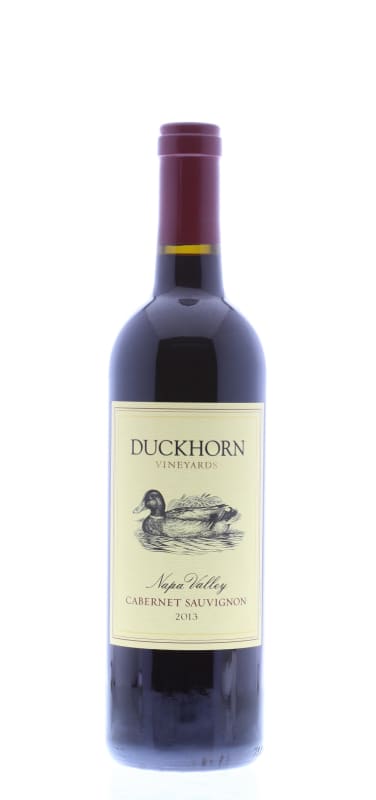


Winemaker Notes
92% Cabernet Sauvignon, 6% Merlot, 1% Cabernet Franc, 1% Petit Verdot
Professional Ratings
-
Wine & Spirits
The top cabernets from 2013 continue to develop well—this relatively late release from Duckhorn has benefited from its time in bottle, feeling vibrant, with a dynamic interplay of tart cherry flavors and brisk, refreshing tannins. Renee Ary, who was promoted to lead winemaker at Duckhorn in 2014, blended this wine from estate-grown cabernet and purchased fruit; 45 percent of the lot aged in new French oak barrels, adding to the savory black-olive richness of the tannins, while the purple fruit drives past any direct impression of oak. Instead, there’s a sense of cherry bark, a fruitwood aroma, or a woodland mushroom fruitiness. That integration allows the wine to present its energy unfettered, revealing a mouthwatering Napa Valley cabernet that’s ready to decant and set to develop further in the cellar.
-
Wilfred Wong of Wine.com
One of my go-to wines, I often choose the Duckhorn Cabernet Sauvignon to serve for friends and family. The 2013 is one of the winery's top efforts. So rich, yet elegant and long-lasting on the palate, this one exhibits tremendous black fruit flavors, with just a touch of sweet oak nuances. Perfect with a grilled porterhouse steak. Drinking very well now. (Tasted: June 21, 2016, San Francisco, CA)
-
James Suckling
Aromas of brambleberries, flowers and wet earth follow through to a medium body, a solid core of fruit and a fresh finish. Dusty tannin texture. Solid. Drink in 2018.


One of the most prestigious wines of the world capable of great power and grace, Napa Valley Cabernet is a leading force in the world of fine, famous, collectible red wine. Today the Napa Valley and Cabernet Sauvignon are so intrinsically linked that it is difficult to discuss one without the other. But it wasn’t until the 1970s that this marriage came to light; sudden international recognition rained upon Napa with the victory of the Stag’s Leap Wine Cellars 1973 Cabernet Sauvignon in the 1976 Judgement of Paris.
Cabernet Sauvignon undoubtedly dominates Napa Valley today, covering half of the land under vine, commanding the highest prices per ton and earning the most critical acclaim. Cabernet Sauvignon’s structure, acidity, capacity to thrive in multiple environs and ability to express nuances of vintage make it perfect for Napa Valley where incredible soil and geographical diversity are found and the climate is perfect for grape growing. Within the Napa Valley lie many smaller sub-AVAs that express specific characteristics based on situation, slope and soil—as a perfect example, Rutherford’s famous dust or Stags Leap District's tart cherry flavors.